Enhance Your Culinary Mastery by Perfecting Wood Smoking Techniques
What Are the Distinct Characteristics of Wood Chunks Versus Wood Chips?
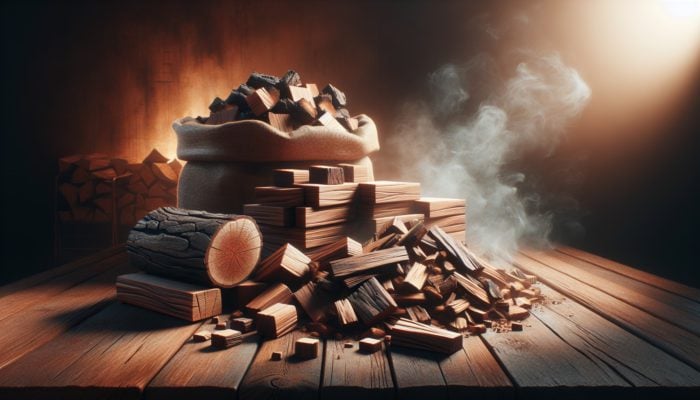
Delving into the craft of wood smoking is an enriching culinary journey that elevates the flavors of your dishes to new heights. Understanding the key differences between wood chunks and wood chips is crucial for achieving the best outcomes in your smoking endeavors. Wood chunks, typically ranging from 2 to 4 inches in size, are ideal for low and slow smoking methods, providing a consistent smoke output over extended periods. This slow burning nature makes them perfect for meats that require longer cooking times. In contrast, wood chips are smaller, usually less than an inch, designed for quick bursts of smoke that ignite rapidly, making them suitable for shorter cooking sessions or for adding quick flavor enhancements. Choosing between these two wood types can greatly impact your smoking experience, influencing both the duration of smoke and the richness of flavor.
For example, when smoking a brisket that demands hours of cooking, wood chunks serve as a dependable smoke source, minimizing the need for constant replenishment. On the other hand, when preparing delicate proteins such as fish or vegetables, opting for wood chips allows for rapid flavor infusion that enhances the dish without overwhelming it. It is essential to select the appropriate wood size in line with your cooking method and the specific ingredients to achieve the finest smoking results.
How Do Different Wood Varieties Affect Flavor Profiles in Smoking?
The type of wood selected plays a pivotal role in smoking, as each variety brings its unique flavor attributes to your culinary creations. For instance, hickory is celebrated for its bold, smoky flavor, making it a top choice for red meats like beef and pork. Alternatively, apple wood imparts a milder, fruity flavor that pairs beautifully with poultry and fish. Another favored option, mesquite, is particularly popular in Texas barbecue for its intense flavor, which complements brisket and ribs exceptionally well.
When choosing your wood, it is important to consider not just the flavor profile but also the interaction between the wood, the fat content, and the cooking duration of your food. Fatty cuts can withstand the robust flavor of hickory, while lean proteins might benefit from the subtle sweetness of apple wood. Exploring various wood types can lead to exciting flavor discoveries, enabling you to craft signature dishes that showcase the unique characteristics of each wood variety.
What Are the Essential Steps for Preparing Wood for Smoking?
Preparing your wood properly is critical for a successful smoking experience. Regardless of whether you opt for chunks or chips, the preparation method can significantly impact the quality of the smoke produced. A common technique is to soak wood chips in water for about 30 minutes to an hour prior to use. This soaking prevents the chips from igniting too quickly, allowing them to smolder and generate rich, flavorful smoke. For wood chunks, soaking is generally unnecessary due to their larger size; they tend to burn slowly and evenly without additional moisture.
Furthermore, seasoning your wood is another vital preparation step. Seasoning involves drying the wood over several months to decrease moisture content, ultimately improving both flavor and smoke quality. Ideally, wood should be stored in a dry, well-ventilated space for a minimum of six months before being used. Seasoned wood combusts cleaner, producing less soot and creosote, which can negatively affect the taste of your food. By dedicating time to properly prepare your wood, you lay the groundwork for an exceptional and flavorful smoking experience.
How Can You Effectively Control Smoke Levels During the Smoking Process?
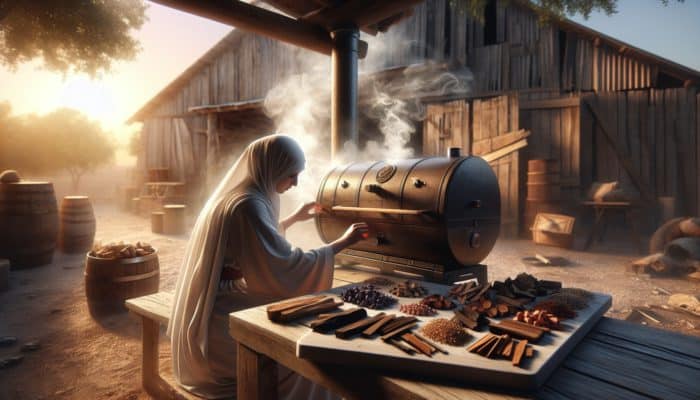
Managing smoke levels effectively is a fundamental skill for achieving the desired flavor profile in your smoked dishes. Several factors, including airflow, the amount of wood used, and the types of wood selected, influence smoke levels. One effective strategy for controlling smoke is by adjusting the airflow in your smoker. Increasing airflow can enhance combustion, resulting in cleaner smoke, while reducing it can lead to thicker, more flavorful smoke. Experimenting with the air vents on your smoker is essential for discovering the perfect balance tailored to your specific setup.
The quantity of wood you utilize also plays a significant role in smoke intensity. Using too much wood can result in overpowering flavors, whereas using too little may not yield enough smoke. When using chunks, start with two to three pieces and observe the smoke output. If the smoke appears thin and wispy, consider adding more chunks. For chips, a small handful usually suffices, especially if you’re aiming for a quick flavor boost. Lastly, monitor the smoke color; thin blue smoke indicates clean burning, while thick white smoke may suggest incomplete combustion, often leading to a bitter taste.
Expert Recommendations: Choosing Between Wood Chunks and Chips for an Optimal Smoking Experience
What Wood Size Do Professionals Suggest for Various Smoking Methods?
Professionals recommend selecting wood sizes based on your smoker type and the specific foods being prepared. For larger cuts of meat, such as briskets or pork shoulders, using wood chunks is typically the best choice. Their slower burn rate provides a consistent smoke that pairs perfectly with the lengthy cooking times required for these cuts. A common practice involves adding several chunks to the smoker at the outset and monitoring their burn rate throughout the cooking process for optimal results.
For smaller items like fish, vegetables, or quick-cooking meats, wood chips excel. Their rapid ignition allows for immediate flavor infusion without requiring prolonged smoking. For instance, when smoking salmon, a handful of apple wood chips sprinkled over hot coals can effectively impart a delicate sweetness to the fish in just 30 minutes.
Using a mix of both wood types combines the advantages of each. Begin your smoking session with chunks for a steady release and then introduce chips during the final hour of cooking to enhance flavor. This technique ensures a rich, complex flavor profile while allowing your smoker to maintain optimal heat levels throughout the process.
How Can You Maximize Wood Utilization for Outstanding Smoking Results?
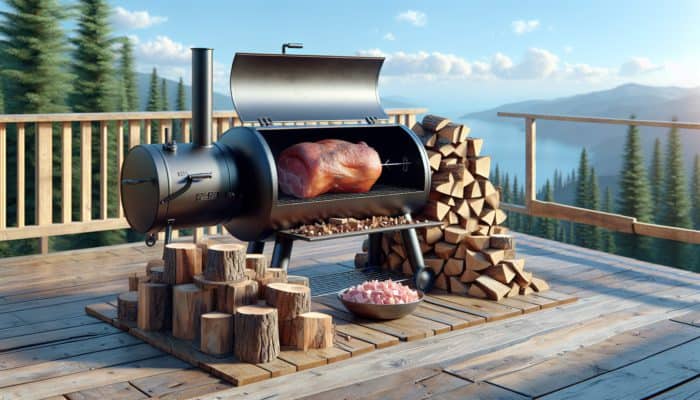
Maximizing wood usage is crucial for achieving the finest flavor and smoke quality throughout the smoking process. One actionable step is to establish a smoking schedule tailored to the type of meat being prepared and the desired smoke intensity. For example, if you’re smoking a large pork butt for 10 hours, consider starting with a combination of chunks and switching to chips during the last few hours. This strategic layering allows you to maximize flavor without overwhelming the dish with excessive smoke.
Monitoring the temperature of your smoker is another critical factor. Maintaining a consistent temperature ensures that the wood burns at an optimal rate, providing a steady flow of smoke. Utilizing a reliable thermometer can help prevent temperature fluctuations that might lead to uneven cooking or excessive smoke production, thereby enhancing your overall smoking experience.
Additionally, pay close attention to the moisture content of your wood. Using well-seasoned wood minimizes the production of creosote and other undesirable compounds, which leads to a cleaner burn. It is essential to keep your wood dry and free from contaminants, as these factors can significantly impact smoke quality. By adhering to these guidelines, you can ensure that both chunks and chips are utilized effectively to create a delicious final product every time.
What Common Mistakes Should You Avoid When Smoking with Wood?
When smoking with wood chunks and chips, several common errors can hinder your results. One frequent mistake is over-smoking, which occurs when too much wood is used or when the wood is not adequately prepared. Excessive smoke can impart a bitter taste that masks the natural flavors of your food. To prevent this, begin with a small quantity of wood and gradually increase as necessary, closely monitoring the smoke output throughout the process.
Another common oversight is using the wrong type of wood for specific foods. Each wood type contributes a distinct flavor, and utilizing a strong wood like mesquite for delicate proteins such as fish can easily overpower the dish. Instead, opt for milder woods like apple or cherry to enhance the natural flavors without overshadowing them.
Lastly, many beginners neglect the maintenance of their smokers, leading to residue buildup that can adversely affect smoke quality. After each use, it is vital to clean the grates and remove any ash buildup to ensure that the smoker operates optimally for your next cooking session. By being cognizant of these common pitfalls, you can elevate your smoking experience and achieve consistently delicious results in your culinary adventures.
How Do Wood Chunks and Chips Impact Different Smoking Techniques?
The decision between wood chunks and wood chips significantly influences various smoking techniques, including cold smoking, hot smoking, and indirect smoking. For cold smoking, where flavor infusion occurs without cooking the food, chips are often preferred due to their rapid combustion. They create quick bursts of smoke that effectively flavor items like cheese or fish without excessively raising the temperature. Handheld smokers typically accommodate wood chips well, allowing for precise control over smoke levels.
Conversely, for hot smoking, especially with larger cuts of meat, chunks are the preferred choice. Their longer burn time is ideal for maintaining a consistent temperature during prolonged cooking sessions. Smokers generally produce steady smoke for extended periods, making the use of chunks essential for achieving the desired bark and tenderness in pork shoulders or ribs.
In the case of indirect smoking, where food is cooked away from the heat source, mixing both wood sizes can be highly effective. Start with chunks to establish a baseline of steady smoke, then introduce chips as the cooking progresses for added flavor complexity. Understanding how different wood types and sizes interact with various smoking methods can enhance your culinary skills, ensuring each piece of meat or fish is infused with a perfectly balanced smoke flavor.
How Does Wood Selection Affect Smoking Duration?
What Effect Does Wood Size Have on Smoking Time?
The size of the wood you select directly impacts the duration of your smoking session. Larger wood chunks burn more slowly than smaller chips, resulting in a longer smoking time that is particularly advantageous for larger cuts of meat. For example, when smoking a whole turkey, using chunks allows for consistent smoke over several hours, ensuring deep flavor penetration into the meat without necessitating constant monitoring or refueling.
In contrast, wood chips ignite quickly and burn out faster, making them ideal for shorter smoking sessions or when you need to impart flavor in just a few minutes. For instance, when grilling vegetables, a quick handful of chips can enhance flavor without requiring a lengthy smoking process. Understanding the specific smoking needs of your food can guide your choice of wood size, ensuring optimal results every time.
It’s also crucial to note that smoking time can be influenced by the moisture content of the wood. Wet or green wood tends to burn slower, potentially extending smoking time but also producing less desirable smoke flavors. Therefore, using well-seasoned wood, whether in chunks or chips, is advisable to achieve an ideal smoking duration and flavor profile.
Is It Beneficial to Combine Chunks and Chips When Smoking?
Absolutely, using a combination of wood chunks and wood chips can be an effective strategy for achieving a well-rounded smoke profile. By mixing the two, you can take advantage of the long-lasting smoke from the chunks alongside the quick flavor bursts offered by the chips. This technique is particularly useful when dealing with various types of food that require different smoking durations.
For instance, if you’re smoking a brisket that takes several hours, you might start with a few chunks for consistent smoke. As the cooking progresses, adding a handful of chips can elevate the flavor, providing an immediate impact that complements the deeper, longer-lasting smoke from the chunks. This approach allows you to create a complex flavor profile that enhances the overall taste experience.
It’s essential to monitor smoke levels when mixing wood types to prevent overpowering your dish. Start with a base of chunks and incrementally add chips, assessing the flavor as you go. This method helps you identify the ideal balance between the robust flavor of chunks and the quick, intense smoke of chips, resulting in nuanced and delightful smoked dishes.
How Can You Regulate Smoke Intensity with Different Wood Types?
Managing smoke intensity is a vital skill in the smoking process, as it directly affects the final flavor of your dishes. The combination of wood types and sizes plays a significant role in regulating this intensity. Chunks typically provide steady, moderate smoke lasting for hours, making them suitable for larger cuts of meat. Their slower burn allows for gradual flavor infusion without overwhelming the dish.
On the other hand, wood chips can produce bursts of intense smoke, delivering immediate flavor. This characteristic is especially beneficial for quickly cooked items, such as chicken wings or vegetables. However, they can also lead to uneven smoke production if not managed properly, so careful attention to quantity is essential. A handful of chips can be excellent for a short smoking session, but too many can mask the natural flavors of the ingredients.
Another strategy for controlling smoke intensity is through temperature management. Lower temperatures typically yield lighter smoke, while higher heat can produce denser smoke. Adjusting your smoker’s temperature can help achieve the desired smoke quality for specific foods. For instance, if smoking ribs at a lower temperature, using chunks can maintain a consistent smoke level while allowing for more control over the overall flavor profile. This strategic approach enables you to tailor the smoking process to meet the unique requirements of each dish.
How Does Wood Moisture Content Impact Smoking Duration?
The moisture content of wood is a crucial factor that affects both smoking time and overall flavor quality. Wood that is excessively wet will burn more slowly, producing cooler smoke and potentially extending the duration of your smoking session. However, this can also lead to harsher smoke flavors due to incomplete combustion. Damp wood may smolder without generating the clean smoke essential for flavorful cooking, adversely impacting your food.
In contrast, well-seasoned wood, with a moisture content of around 15% to 20%, burns at an optimal temperature, generating steady and clean smoke that enhances the flavor of your food. This ideal moisture level allows for quicker burns, reducing smoking time while still imparting rich flavors. For larger cuts of meat, using seasoned chunks allows for longer cooking times with consistent smoke output, resulting in beautifully smoked products.
To ensure that your wood maintains the appropriate moisture level, store it in a dry, well-ventilated area. Keep wood elevated off the ground and covered to prevent moisture absorption from the soil or surrounding environment. By monitoring the moisture content of your wood, you can optimize your smoking experience, achieving the perfect balance of smoke intensity and flavor infusion for your culinary creations.
What Advantages Do Wood Chunks Offer Over Chips?
Do Wood Chunks Ensure a More Consistent Smoking Experience?
Yes, wood chunks are renowned for delivering a more reliable smoke output compared to chips. Their larger size allows them to burn longer and more steadily, making them particularly advantageous for extended smoking sessions. This characteristic guarantees uniform temperature and smoke output, resulting in even flavor infusion throughout the cooking process. For instance, when smoking a brisket for several hours, chunks can sustain a steady smoke that harmonizes beautifully with the meat’s natural flavors, resulting in a tender and flavorful finished product.
Utilizing chunks also minimizes the frequency of refueling, allowing you to focus on other culinary aspects. In contrast, chips tend to ignite quickly, necessitating frequent replenishment, which can disrupt the cooking process and make it challenging to maintain consistent smoke levels.
Here are some key benefits of using wood chunks for smoking:
- Extended burn time, ideal for long smoking sessions
- Consistent smoke output for even flavor infusion
- Less frequent refueling required
- Better suited for larger cuts of meat
- Produces cleaner smoke with reduced soot
- Contributes to temperature stability during cooking
- Minimizes the risk of over-smoking
- Efficient for maintaining low and slow cooking techniques
By leveraging these advantages, you can enhance your smoking methods and create mouthwatering dishes guaranteed to impress your guests.
Are Wood Chips Ideal for Rapid Smoking Sessions?
Indeed, wood chips are more suitable for quick smoking sessions due to their fast burn time. Their smaller size enables them to ignite rapidly, generating smoke that can infuse flavor in just a few minutes. This trait makes chips particularly beneficial for cooking smaller items such as fish fillets, vegetables, or even quick-cooking meats like chicken wings that do not necessitate lengthy smoking.
Using chips also provides flexibility for flavor experimentation. You can easily switch wood types between cooking sessions, allowing you to customize flavors without a significant commitment. This adaptability is especially valuable for those who enjoy a variety of smoked dishes or wish to explore different wood profiles for their meals.
However, it’s critical to monitor the quantity of wood chips used. While their quick bursts of smoke are advantageous, too many chips can overpower the dish, leading to a bitter flavor. Achieving a careful balance is essential for optimal smoke intensity. When managing a short smoking session, adding a handful of chips every 30 minutes can elevate the dish without overwhelming it.
Ultimately, chips provide a practical solution for those looking to impart smoke flavor swiftly. Whether hosting a barbecue or preparing a weeknight meal, wood chips can elevate your culinary creations with minimal time investment, making them a favorite for busy cooks.
How Does Wood Selection Affect Health and Safety in Smoking?
The type of wood you choose for smoking can have significant implications for the health and safety of the food you prepare. Certain woods, when burned, release harmful compounds that can be detrimental to both health and flavor. Softwoods like pine, cedar, and fir should be avoided as they contain high levels of resin. Burning these woods can produce toxic chemicals, imparting unpleasant flavors and potentially harmful substances into your food.
In contrast, hardwoods such as oak, hickory, cherry, and apple are generally safer and yield cleaner smoke. These woods have traditionally been favored for smoking due to their favorable flavor profiles and lower toxicity. Utilizing seasoned hardwood ensures that the wood burns cleanly, releasing minimal compounds that might pose health risks.
Moreover, proper wood preparation is crucial. Ensuring the wood is well-seasoned and free from mold or contaminants minimizes the risk of harmful bacteria or toxins affecting your food. Inspecting your wood before use and maintaining proper storage conditions can further enhance food safety.
By selecting the right type of wood and adhering to best practices for preparation and storage, you can enjoy the flavorful benefits of wood smoking while prioritizing the health and safety of your meals. Being informed about wood choices can greatly enhance your smoking experience, allowing you to create delicious, safe dishes for family and friends.
Mastering Techniques for the Optimal Use of Wood Chunks and Chips
How to Effectively Utilize Wood Chunks in Your Smoking Process?
Effectively using wood chunks involves strategic management and placement to maximize their smoking potential. Begin by preheating your smoker to the desired temperature before adding the chunks. Depending on your smoker type, you can place the chunks directly on the charcoal or in a designated wood box if available. Preheating the chunks ensures they ignite properly, producing a steady flow of smoke as cooking begins.
Monitoring the temperature throughout the smoking process is essential. Using a reliable thermometer can help maintain the right heat levels, ensuring that the chunks burn efficiently. Regularly check your smoker’s temperature, especially during prolonged cooking sessions. If the temperature drops, it can hinder the wood’s ability to smolder, resulting in insufficient smoke production.
Consider adding a few extra chunks during the cooking process to maintain consistent smoke levels. This method is particularly beneficial for long smokes, such as briskets or pork butts. By carefully managing the wood supply, you can ensure your food receives a continuous infusion of flavor without risking over-smoking. Proper use of wood chunks will not only enhance flavor but also contribute to the overall success of your smoking endeavors.
Best Practices for Using Wood Chips in Smoking?
Following best practices when working with wood chips is crucial for optimal flavor and consistency in your smoke. Start by soaking your chips for at least 30 minutes before use. This soaking allows the chips to absorb moisture, preventing them from igniting too quickly and encouraging them to smolder, which produces flavorful smoke instead.
After soaking, drain the chips and sprinkle them over the hot coals or place them in a smoke box if your smoker has one. It is essential to add the chips in moderation; typically, a handful is sufficient. Monitor the smoke output, adjusting the amount of chips based on the desired flavor intensity. If you notice thick, white smoke, it may indicate over-smoking, so reduce the quantity accordingly.
Another effective technique is to create a smoke packet using aluminum foil. Place soaked chips inside a small piece of foil, fold it into a pouch, and puncture holes in the top. This method allows for controlled smoke release and can be easily replaced during the cooking process without interrupting your food. By mastering these best practices, you can elevate the quality of smoke and flavor, ensuring delectable results every time you smoke with chips.
Combining Chunks and Chips for Maximum Flavor in Smoking!
Combining wood chunks and wood chips can create a layered flavor profile that enhances your smoked dishes. This strategy allows you to leverage the long-lasting smoke of chunks while capitalizing on the quick bursts of flavor provided by chips. Begin your smoking session with a few chunks placed strategically in your smoker to establish a steady smoke output.
As the cooking process progresses, introduce chips to infuse additional flavor. For example, when smoking ribs, consider adding a handful of chips during the last hour of cooking. This technique enriches flavor complexity, adding depth to the overall culinary experience.
Furthermore, consider mixing different types of wood for an even more nuanced flavor profile. For instance, pairing hickory chunks with cherry chips can yield a rich, smoky flavor complemented by subtle sweetness. Experimentation is key; adjust the ratios of chunks to chips based on the specific dish and desired flavor outcome.
By strategically combining wood types, you can achieve a unique flavor experience that distinguishes your smoked dishes. The ability to layer flavors through the combination of chunks and chips opens up a world of creative culinary possibilities, allowing you to craft signature smoked dishes that impress with every bite.
Maintenance and Storage Tips for Smoking Wood
How to Store Wood Chunks and Chips for Maximum Freshness and Quality?
Proper storage of wood chunks and wood chips is essential to maintain their quality and flavor. Wood should be kept in a dry, well-ventilated area to prevent moisture buildup, which can lead to mold and spoilage. Avoid placing wood directly on the ground; instead, elevate it on pallets or shelves to allow airflow underneath.
For chips, consider utilizing airtight containers to shield them from humidity and contaminants. Keeping chips in bags or boxes can lead to moisture absorption, compromising their smoking quality. Ideally, wood should be used within a year of purchase to ensure optimal flavor and smoking performance.
When selecting a storage location, choose an area shielded from direct sunlight and extreme temperature fluctuations. Maintaining a stable environment helps preserve the integrity of the wood, ensuring it remains in top condition for your smoking sessions. By adhering to these storage guidelines, you can ensure that your wood maintains its flavor and quality for all your smoking needs.
What Steps Should You Take to Clean and Maintain Smokers After Each Use?
Cleaning and maintaining your smoker after each use is vital for preserving its efficiency and ensuring consistent smoking results. Begin by removing any residual ash and debris from the firebox and cooking chamber. Ash buildup can obstruct airflow, leading to temperature fluctuations and incomplete combustion, which can negatively affect smoke quality.
Next, wipe down the grates with a damp cloth or sponge to eliminate any residue. For tougher stains, consider employing a grill brush to scrub away any stuck-on particles. Regular maintenance of the grates helps prevent flavor contamination in future cooking sessions.
Inspect the smoker for any signs of wear or damage. Check the seals, gaskets, and vents to ensure they are functioning correctly. A well-maintained smoker not only performs better but also produces cleaner smoke, enhancing the overall flavor of your food. By implementing these cleaning and maintenance practices, you can prolong the life of your smoker and enjoy consistently delicious smoked dishes.
How Can You Identify Signs of Spoiled Wood for Smoking?
Recognizing the signs of wood spoilage is crucial for ensuring safety and flavor quality in your smoking endeavors. One of the most evident indicators is the presence of mold. If you notice any growth on your wood, it should be discarded immediately, as mold can impart unpleasant flavors and potentially harmful substances into your food.
Another sign to be aware of is an unusual odor. If the wood has a sour or musty smell, it may have absorbed moisture or contaminants that negatively impact smoke flavor. Fresh wood should possess a clean, woody aroma, indicative of its quality.
Additionally, be vigilant for changes in color. If the wood appears excessively dark or displays strange discolorations, this could signal spoilage. Regularly inspecting your wood supply and discarding any pieces showing these signs will help maintain the quality of your smoking experience, ensuring that your food remains safe and delicious.
How Frequently Should You Refresh Your Wood Supply for Optimal Smoking?
To sustain optimal flavor and prevent contamination, it’s advisable to replace your wood supply regularly. Depending on your usage, a good general guideline is to refresh your wood every 3 to 6 months. Frequent use can lead to moisture accumulation, spoilage, or the development of off-flavors, all of which can adversely affect your smoking sessions.
When replacing wood, ensure you use well-seasoned hardwood to achieve the best results. Fresh wood should be stored properly to retain its quality and moisture content. Regular rotation of your wood supply not only ensures that you have the best flavors available but also allows for exploration of different wood types and their unique characteristics.
By staying proactive about refreshing your wood supply, you can enhance your smoking experience, continually discovering new flavors and honing your culinary skills. Consistent quality in your wood selection is pivotal for producing mouthwatering dishes that leave a lasting impression on your guests.
What Are the Best Practices for Seasoning Wood Before Smoking?
Properly seasoning wood is vital for enhancing its smoking properties and achieving the best flavor in your dishes. The seasoning process involves drying out the wood to reduce its moisture content to around 15% to 20%. This optimal moisture level enables the wood to burn cleanly, producing flavorful smoke without undesirable compounds.
To effectively season wood, store it in a dry, well-ventilated area for a minimum of six months. Cut the wood into manageable sizes to increase surface area and facilitate drying. Keeping wood elevated off the ground helps prevent moisture absorption from the soil, while exposing it to airflow encourages even drying.
During the seasoning process, regularly inspect the wood for signs of spoilage or pests. Proper monitoring ensures that only high-quality, seasoned wood is used for smoking. Implementing these best practices will enhance your smoking experience, yielding delicious flavors that elevate your culinary creations to new heights.
Frequently Asked Questions About Smoking with Wood
What Type of Wood is Best for Smoking Meat?
Hardwoods such as hickory, oak, cherry, and apple are optimal for smoking meat due to their rich flavors and clean burn. Each wood type contributes unique characteristics that enhance the natural taste of the meat.
How Can You Determine if Wood is Properly Seasoned?
Well-seasoned wood should have a moisture content of approximately 15% to 20%. It will feel lighter, produce a clean burn, and emit a pleasant, woody aroma.
Is It Safe to Use Treated Wood for Smoking?
No, treated wood contains chemicals that can be harmful when burned. Always choose untreated hardwoods for smoking to ensure food safety and flavor quality.
How Long Should You Soak Wood Chips Before Smoking?
Soak wood chips for about 30 minutes to an hour. This soaking helps them smolder instead of igniting too quickly, providing a steady release of smoke.
Is Soaking Wood Chunks Necessary?
Soaking wood chunks is generally unnecessary due to their larger size. They burn more steadily and evenly without added moisture.
What Steps Can You Take to Prevent Over-Smoking Your Food?
To prevent over-smoking, start with a small amount of wood and gradually increase as needed. Monitor the smoke output and use milder wood types for delicate items to maintain balance.
Can Different Wood Types Be Mixed When Smoking?
Yes, combining different wood types can create a more complex flavor profile. Experiment with various combinations to find the perfect balance for your dishes.
How Can You Assess if Your Smoker is Clean?
A clean smoker should have minimal ash buildup, no residue on the grates, and should not emit any strong, unpleasant odors during use.
How Often Should You Clean Your Smoker?
Clean your smoker after each use to maintain its efficiency and prevent flavor contamination. Regular maintenance ensures optimal performance for future smoking sessions.
What Should You Do if Your Wood Has a Bad Smell?
If the wood emits a musty or sour odor, discard it immediately. Bad-smelling wood often indicates mold or spoilage, which can negatively affect smoke flavor and food safety.
Connect with Us on Facebook for More Tips!
The Article Using Wood Chunks vs. Chips for Smoking: Best Practices appeared first on https://pitmastersarsenal.com
The Article Wood Chunks vs. Chips for Smoking: Optimal Techniques Was Found On https://limitsofstrategy.com