Essential Components for Crafting an Irresistible Vegan Foie Gras
Core Ingredients for Perfecting Your Vegan Foie Gras Recipe

When embarking on the journey to create a mouthwatering vegan foie gras substitute, the selection of key mushrooms, nuts, and legumes is of utmost importance. These fundamental ingredients not only enhance the texture but also infuse a deep and rich flavor profile that is essential for emulating the exquisite taste of traditional foie gras.
Specific types of mushrooms, such as shiitake and portobello, are particularly advantageous due to their umami-rich qualities, which serve as the backbone of your dish. Their hearty texture mimics the mouthfeel associated with animal-based foie gras effectively. Additionally, nuts like cashews or walnuts are high in healthy fats, which contribute to a creamy texture when blended. Furthermore, legumes such as lentils or chickpeas provide necessary protein and add significant texture to your mixture.
Ultimately, the selection of these components should reflect both availability in your local market and your personal flavor preferences. This flexibility allows you to create a vegan foie gras that resonates with your culinary style while embracing ethical and sustainable eating practices.
Enhancing Flavor Profiles in Your Vegan Foie Gras
To elevate your vegan foie gras to extraordinary heights, incorporating flavor enhancers is crucial. Ingredients such as miso paste, soy sauce, and nutritional yeast serve as excellent options for adding complexity and depth to your dish.
Miso paste offers a savory, fermented flavor that can greatly enrich the overall taste profile of your creation. Meanwhile, soy sauce adds a touch of saltiness and richness, while nutritional yeast brings a cheesy, nutty essence that harmonizes beautifully with other ingredients. Experimenting with various combinations of these flavor enhancers will help you discover your perfect balance, allowing each batch of vegan foie gras to reflect your unique culinary touch.
Feel free to try different ratios of these ingredients until you find a blend that excites your palate. The goal is to create a robust, well-balanced flavor that closely resembles the indulgence of traditional foie gras while remaining entirely plant-based.
Key Binding Agents to Achieve Optimal Texture
To attain the desired consistency in your vegan foie gras, the use of binding agents is absolutely essential. Options like agar agar and tapioca flour effectively bind the mixture together, leading to a cohesive texture that enhances the overall culinary experience.
Agar agar, a gelling agent derived from seaweed, performs exceptionally well in vegan cooking. It sets quickly, providing a firm texture that closely resembles traditional foie gras. Conversely, tapioca flour can thicken and bind the mixture, imparting a creamy quality. It may be necessary to adjust the amounts of these agents based on the other ingredients and the final consistency you desire.
In practice, starting with a modest quantity and gradually increasing as needed is advisable, blending thoroughly to ensure even distribution throughout your mixture. This careful approach will help you achieve the perfect texture that stands up to traditional varieties while remaining entirely plant-based.
Selecting Ideal Fat Substitutes for Richness
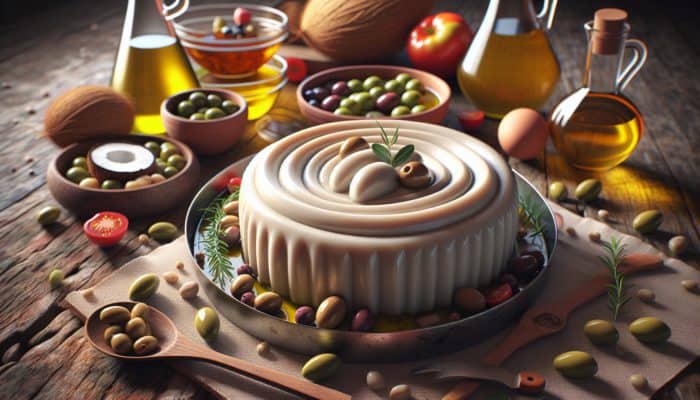
The luxurious richness that characterizes traditional foie gras is largely due to the fats involved in its preparation. To replicate this sensation within a vegan framework, it is essential to choose suitable fat substitutes such as coconut oil or olive oil. Each of these options brings a unique flavor profile that can significantly influence the overall taste and mouthfeel of your vegan foie gras.
Coconut oil is particularly effective because of its creamy texture and ability to solidify when chilled, making it an excellent choice for achieving a consistency similar to that of animal fats. In contrast, olive oil offers a fruity note that can enhance the overall flavor, especially when combined with complementary ingredients. The choice of the right fat substitute will depend on the flavor you wish to emphasize, whether it is the sweetness of coconut or the earthiness of olive oil.
As you experiment with these fats, consider how they interact with the other components of your dish. The ideal blend will create a rich and indulgent experience that remains true to the essence of traditional foie gras while adhering to plant-based principles.
Using Seasonings and Spices to Perfect Your Vegan Foie Gras
The final touches on your vegan foie gras come from the thoughtful selection of seasonings and spices. Adding fresh herbs like thyme or spices such as black pepper can significantly elevate the flavor profile of your dish.
Thyme, known for its aromatic qualities, pairs exquisitely with the earthiness of mushrooms and nuts, creating a harmonious flavor blend. At the same time, black pepper contributes a subtle heat that enhances the overall taste experience. You may also wish to incorporate a hint of garlic or shallots for added depth. Adjust these seasonings according to your taste preferences, ensuring they complement rather than overpower the core ingredients.
- Experiment with both fresh and dried herbs to explore varied flavor profiles.
- Incorporate aromatic spices to add layers of complexity to your dish.
- Balance the saltiness of other ingredients with herbal notes for a well-rounded flavor.
- Season gradually, tasting as you go to achieve the perfect blend.
Ultimately, the right combination of seasonings can elevate your vegan foie gras from merely a substitute to a delightful dish that stands proudly on its own.
Effective Strategies for Crafting Vegan Foie Gras
How to Select the Best Ingredients for Your Vegan Foie Gras

Choosing the right ingredients for your vegan foie gras is essential to replicate the complex flavors and textures found in traditional varieties. Key factors to consider include texture, flavor profile, and nutritional value. Each component plays a crucial role in the final dish, making meticulous attention to detail paramount.
- Texture: Seek ingredients that create a rich and creamy mouthfeel.
- Flavor Profile: Opt for components that contribute umami flavors and depth to the dish.
- Nutritional Value: Be mindful of the health benefits associated with the ingredients you choose.
- Availability: Select ingredients that are easily sourced locally to promote sustainability.
For example, cashews can serve as a creamy base, while mushrooms add a savory character that is hard to surpass. Additionally, consider any dietary restrictions or preferences when selecting your ingredients, ensuring your vegan foie gras can be enjoyed by a broader audience.
What Techniques Can Elevate the Flavor of Vegan Foie Gras?
To maximize the flavor of your vegan foie gras, employing a variety of cooking techniques can be highly beneficial. Methods such as sautéing, roasting, or blending can dramatically elevate the overall taste, highlighting unique notes in your ingredients.
Sautéing mushrooms in olive oil can enhance their natural flavors while caramelizing the edges, adding essential depth to any rich dish. Roasting nuts can also amplify their flavor, making them more aromatic and palatable. Finally, blending the mixture after cooking ensures that all flavors meld seamlessly, resulting in a harmonious final product.
Exploring these techniques will help you determine which methods best suit your flavor preferences. Each technique offers unique advantages, enabling you to create a vegan foie gras that not only replicates the original but also delivers a remarkable culinary experience.
How to Attain the Ideal Texture in Vegan Foie Gras
Achieving the perfect texture in your vegan foie gras is essential for providing a satisfying eating experience. From the blending process to the chilling phase, every step is crucial in determining the final consistency of your dish. Start by blending your base components until they achieve a smooth texture; you may need to add liquid or solid ingredients to achieve your desired consistency.
Make sure that your mixture is thoroughly blended, as any chunks could disrupt the creamy texture characteristic of traditional foie gras. Your chosen cooking method will also impact texture—pan-frying can yield a crispy outer layer, while baking may create a softer consistency.
After cooking your mixture, chilling it is vital for proper setting. Allow it to cool in the refrigerator for several hours or, ideally, overnight. This cooling phase is essential for ensuring that the mixture firms up without losing its creaminess. The contrast between a firm exterior and a rich interior is what makes vegan foie gras truly exceptional.
What Are the Steps to Prepare Vegan Foie Gras?
How to Blend Ingredients Effectively for Vegan Foie Gras
The first step in preparing vegan foie gras involves blending your selected ingredients. To achieve a smooth consistency, combine your base components with flavor enhancers and binding agents until the mixture is cohesive and well-integrated.
Begin by placing your prepared mushrooms, nuts, and legumes into a high-powered blender or food processor. Incorporate your chosen flavor enhancers, such as miso or soy sauce, to ensure a well-rounded taste. Including binding agents like agar agar or tapioca flour at this stage is critical, as these will help achieve the desired firmness in the final product.
Adjust the consistency as necessary by adding small amounts of liquid, such as vegetable broth, or additional solid ingredients if the mixture appears too thin. Blend until completely smooth, scraping down the sides as needed to ensure everything is evenly mixed. This initial blending step is crucial for creating a luxurious and creamy texture that beautifully mimics traditional foie gras.
What Cooking Methods Are Best for Vegan Foie Gras?
The next phase in preparing vegan foie gras involves selecting a cooking method that aligns with your taste preferences. Options such as pan-frying for a crispy exterior or baking for a softer texture can create unique sensory experiences.
For a richer flavor profile, consider pan-frying your blended mixture in a small amount of oil. This technique develops a delightful crust that enhances the overall texture and introduces an added layer of complexity to the dish. Alternatively, baking the mixture in a loaf pan can yield a more traditional pâté-like consistency, allowing the flavors to meld beautifully during cooking.
Exploring these methods will help you determine which best suits your personal palate. Each technique offers distinct benefits, enabling you to create a vegan foie gras that is tailored to your unique tastes, ensuring it stands out as a gourmet delight.
How to Chill and Set Vegan Foie Gras Properly
Once your vegan foie gras has been cooked, the next crucial step is chilling and setting the mixture. This process allows the flavors to deepen and the texture to firm up, achieving the desired consistency.
Transfer the cooked mixture into a suitable container, whether a loaf pan or individual serving dishes. Cover tightly to prevent air from affecting the texture. Then, place it in the refrigerator for several hours or, preferably, overnight. This chilling period is vital for allowing the agar agar or other binding agents to work effectively, resulting in a firmer structure.
When it’s time to serve, gently remove the vegan foie gras from the container. The cool temperature enhances its refreshing quality, making it an excellent addition to any platter. Thoughtful presentation is essential, as the visual appeal of your vegan foie gras can significantly enhance the dining experience.
What Ingredients Should Be Selected for Vegan Foie Gras?
As previously discussed, selecting high-quality plant-based ingredients is crucial for preparing vegan foie gras. Key ingredients such as cashews, mushrooms, and coconut oil form the foundation of your recipe, effectively mimicking the rich texture and flavor profile of traditional foie gras.
Whenever possible, opt for fresh, organic produce, as this will elevate the overall quality of your dish. For instance, the choice of nuts can greatly influence the creaminess of your final product. Soaking cashews before blending can yield an ultra-smooth texture, which is particularly desirable in a pâté.
Moreover, consider the flavor characteristics of your chosen ingredients. Mushrooms can provide a robust umami base, while high-quality oils contribute depth and richness. This careful selection addresses not only ethical concerns but also significantly enhances the culinary experience.
Creative Garnishing and Serving Ideas for Vegan Foie Gras
Presentation is key when serving vegan foie gras. Thoughtful garnishes can elevate both the visual appeal and taste of your dish, helping it attain gourmet status. Consider using microgreens, edible flowers, or a drizzle of balsamic reduction to add an elegant touch.
Microgreens not only introduce vibrant colors but also impart a fresh flavor that contrasts beautifully with the richness of the foie gras. Edible flowers can add an artistic flair to your presentation, transforming your dish into a feast for the eyes. A balsamic reduction drizzled atop can provide an acidic balance that cuts through the richness, creating a harmonious flavor profile.
Serve your vegan foie gras chilled or at room temperature, accompanied by crusty bread or crackers. This approach allows your guests to fully appreciate the nuanced flavors and textures you’ve meticulously crafted, making each bite an exquisite experience.
What Are the Advantages of Choosing Vegan Foie Gras?
Exploring the Ethical Implications of Vegan Foie Gras Production
One of the most compelling reasons to indulge in vegan foie gras is the opportunity to sidestep the ethical dilemmas associated with traditional foie gras production. The creation of traditional foie gras often involves practices that many consider distressing, such as force-feeding ducks or geese to enlarge their livers.
By opting for a plant-based alternative, you can enjoy the luxury of foie gras without the ethical concerns tied to its production. This compassionate choice resonates with a growing trend in the culinary world, as more individuals become aware of issues concerning animal rights and welfare.
Choosing vegan foie gras not only promotes a more humane culinary experience but also encourages restaurants and food manufacturers to explore more ethical methods of producing gourmet foods. Ultimately, this decision contributes to a broader shift within the food industry, advocating for ethical gastronomy.
Health Benefits of Choosing Vegan Foie Gras
From a health perspective, vegan foie gras presents numerous advantages over its traditional counterpart. Plant-based ingredients generally contain lower levels of cholesterol and saturated fats, making vegan foie gras a healthier option for those mindful of their dietary intake.
Incorporating nuts, legumes, and vegetables introduces valuable nutrients such as fiber, vitamins, and minerals into your diet. These components promote overall health and wellness, making vegan foie gras not just a treat but also a nutritious addition to your meals.
The plant-based composition allows consumers to savor rich flavors without the associated health risks. This holistic approach to gourmet food renders vegan foie gras appealing to a broader audience, including those who prioritize health alongside culinary excellence.
Environmental Benefits of Opting for Vegan Foie Gras
Vegan foie gras significantly reduces environmental impact compared to traditional foie gras, primarily due to its plant-based ingredients. The production of animal products often necessitates considerable resources, including land, water, and feed, leading to a substantial environmental footprint.
By choosing vegan alternatives, consumers can decrease resource usage and greenhouse gas emissions linked to traditional animal farming. This shift fosters sustainability and aligns with a growing recognition of environmental issues within the food industry.
Furthermore, plant-based diets have been associated with lower rates of deforestation and habitat loss, contributing positively to biodiversity preservation. Choosing vegan foie gras is not merely a culinary decision but also an environmental one, supporting more sustainable food systems globally.
Culinary Versatility of Vegan Foie Gras
Vegan foie gras offers remarkable culinary versatility, making it an exciting ingredient for both chefs and home cooks. Unlike traditional foie gras, which may have limited applications, vegan foie gras can be creatively utilized across various dishes.
Its rich, creamy texture makes it an ideal spread for bread or crackers, but it can also be seamlessly incorporated into pasta sauces, salads, or featured on a charcuterie board. This versatility encourages culinary innovation, allowing chefs to push boundaries and craft unique dining experiences.
Moreover, vegan foie gras can be adapted to suit diverse cuisines, making it an appealing dish worldwide. This adaptability fosters creativity and inspires culinary exploration, offering endless possibilities for delightful plant-based gourmet cooking.
Accessibility and Affordability of Vegan Foie Gras
A standout advantage of vegan foie gras lies in its accessibility and affordability compared to traditional foie gras. The latter is often regarded as a luxury item, associated with high production and sourcing costs.
In contrast, vegan foie gras can be created using readily available ingredients that are often more budget-friendly. This accessibility ensures that a wider audience can indulge in gourmet flavors without the hefty price tag, making it a more inclusive dining option.
This inclusivity can encourage more individuals to explore plant-based diets, promoting a shift toward sustainable eating habits. Additionally, the growing availability of vegan alternatives in restaurants and grocery stores further supports this accessibility, paving the way for more people to enjoy plant-based gourmet foods.
Research-Backed Insights on Crafting Vegan Foie Gras
What Nutritional Analysis Reveals About Vegan Foie Gras
A comprehensive nutritional analysis of vegan foie gras highlights significant differences compared to traditional foie gras. While traditional foie gras is high in saturated fats and cholesterol, vegan alternatives typically feature lower levels of these components, making them healthier choices.
Plant-based ingredients such as nuts and legumes provide healthy fats, protein, and fiber, contributing to a well-rounded nutritional profile. This shift not only benefits individual health but also promotes better heart health and reduces the risk of chronic diseases associated with high saturated fat intake.
Furthermore, vegan foie gras can be enriched with various vitamins and minerals, depending on the specific ingredients utilized. This nutritional advantage underscores the potential of plant-based alternatives in creating gourmet foods that align with health-conscious dietary choices.
Consumer Acceptance Trends for Vegan Foie Gras
The evolution of consumer acceptance regarding vegan foie gras reflects changing attitudes toward plant-based diets. As awareness of animal welfare and environmental issues continues to grow, more individuals are becoming receptive to trying vegan alternatives.
Real-world examples illustrate this trend; restaurants are increasingly featuring vegan foie gras on their menus, and brands are launching plant-based products that capture the essence of traditional delicacies. The rising demand signals a shift in consumer preferences, with many seeking gourmet experiences devoid of the ethical implications of animal products.
Market research indicates that consumers are willing to pay a premium for high-quality plant-based alternatives, signaling a positive trend for vegan foie gras and its acceptance within mainstream culinary culture.
What Do Sustainability Studies Indicate About Vegan Foie Gras?
Research supports the notion that plant-based alternatives like vegan foie gras can contribute to more sustainable food systems. Studies demonstrate that plant-based diets require fewer resources and have a lower environmental impact than animal agriculture.
By investing in vegan alternatives, society can shift toward a more sustainable food future, reducing the carbon footprint associated with traditional farming practices. This transition supports environmental health and aligns with the growing consumer demand for sustainable options.
Additionally, embracing vegan alternatives can foster innovations in food production, creating a more resilient and sustainable food system. The movement toward plant-based foods is not merely a trend but a necessary evolution to address urgent environmental challenges.
How Does Taste and Texture Compare Between Vegan and Traditional Foie Gras?
The capacity of vegan foie gras to replicate the taste and texture of traditional foie gras is impressive, showcasing advancements in plant-based culinary techniques. Through careful ingredient selection and innovative preparation methods, vegan alternatives can achieve similar mouthfeel and flavor profiles.
By utilizing nuts and legumes, chefs can create a creamy, rich texture that closely resembles that of traditional foie gras. Flavor enhancers like miso and nutritional yeast add depth, allowing the vegan version to compete with its animal-based counterpart.
Ultimately, the goal is to deliver a culinary experience that satisfies both the palate and ethical considerations. As techniques and ingredients evolve, the gap between plant-based and traditional gourmet foods continues to narrow, presenting exciting possibilities for the future of gastronomy.
Serving Suggestions and Pairings for Your Vegan Foie Gras
Presentation Tips to Elevate Your Vegan Foie Gras Experience
When serving vegan foie gras, presentation plays a crucial role in enhancing the dining experience. Thoughtfully arranging your dish on a platter creates a lasting impression. Consider garnishing with vibrant fresh herbs or edible flowers to elevate its visual appeal.
Using a decorative serving board can add an artisanal touch, showcasing your vegan foie gras as a stunning centerpiece. To further enhance sophistication, serve it with a selection of gourmet crackers or artisan bread, creating an inviting display that encourages guests to indulge.
- Utilize contrasting colors in garnishes to make the dish pop.
- Explore unique serving dishes to infuse creativity into your presentation.
- Arrange the vegan foie gras in various shapes for added visual intrigue.
- Drizzle with sauce or balsamic reduction for flair and flavor.
The objective is to transform your dish into an inviting and enticing experience, showcasing the effort and creativity dedicated to its preparation.
What Are the Best Wine Pairing Suggestions for Vegan Foie Gras?
Pairing the right wine with vegan foie gras can significantly enhance the overall dining experience, elevating the flavors of both the dish and the beverage. Rich, full-bodied red wines typically complement the creamy texture and umami flavors of vegan foie gras exceptionally well.
Consider options like Cabernet Sauvignon or Merlot, which can stand up to the richness of the dish. Alternatively, a sweet dessert wine such as Port can provide a delightful contrast, balancing the richness with its sweetness.
Feel free to explore adventurous pairings, experimenting with various varietals to discover unique flavor combinations that resonate with your palate. The right wine can transform your vegan foie gras into a truly luxurious experience, leaving a memorable impression on your guests.
What Complementary Dishes Pair Well with Vegan Foie Gras?
To create a well-rounded meal or appetizer, serve vegan foie gras alongside complementary dishes. Options such as bread, crackers, or featured on a charcuterie board can greatly enhance the overall experience.
Crusty baguettes or artisan crackers serve as the perfect vehicle for spreading vegan foie gras, allowing guests to fully appreciate its rich flavors. A charcuterie board featuring a diverse range of plant-based cheeses, fruits, and nuts can provide a delightful array of textures and tastes that beautifully complement the vegan foie gras.
Incorporating pickled vegetables or a fruit chutney can introduce acidity, balancing the richness of the dish and creating a harmonious blend of flavors. This thoughtful combination ensures your vegan foie gras is not just a standalone dish but part of a delightful culinary experience.
Common Queries About Vegan Foie Gras
What ingredients are typically used in vegan foie gras preparation?
Vegan foie gras is generally made from a base of mushrooms, nuts, and legumes, enhanced with flavorings such as miso, soy sauce, and nutritional yeast, along with binding agents like agar agar or tapioca flour.
Is vegan foie gras a healthier alternative compared to traditional foie gras?
Yes, vegan foie gras typically has lower levels of saturated fat and cholesterol, making it a healthier option due to its plant-based ingredients like nuts and legumes.
Can vegan foie gras be served at room temperature?
Absolutely! Vegan foie gras can be served chilled or at room temperature, depending on personal preference and the context in which it is served.
How can I ensure the right texture for my vegan foie gras?
To achieve the desired texture, blend your ingredients until smooth, utilize appropriate binding agents, and allow the mixture to chill and set properly after cooking.
What are some creative ways to serve vegan foie gras?
You can enhance the presentation of vegan foie gras by serving it on a platter garnished with fresh herbs, edible flowers, or a balsamic reduction, paired with artisan bread or gourmet crackers for an elevated experience.
How does choosing vegan foie gras impact the environment?
Vegan foie gras has a lower environmental footprint compared to traditional foie gras, as it requires fewer resources and contributes to reduced greenhouse gas emissions associated with animal farming.
What flavor enhancers work well in vegan foie gras?
Common flavor enhancers include miso paste, soy sauce, nutritional yeast, garlic, and a variety of herbs and spices that add depth and complexity to the dish.
Can vegan foie gras be frozen for later use?
Yes, vegan foie gras can be frozen; however, it is best enjoyed fresh for optimal taste and texture. If freezing, ensure it is well-wrapped to prevent freezer burn.
Is vegan foie gras available in restaurants?
Yes, many restaurants are now offering vegan foie gras as part of their plant-based menus, reflecting the increasing consumer demand for vegan alternatives.
How can I tell if my vegan foie gras has set properly?
Your vegan foie gras should have a firm texture and maintain its shape when removed from the container. It should not feel overly mushy or wet, indicating that it has set correctly.
Stay informed with our latest updates on our Facebook page!
The post How to Create a Vegan Foie Gras Alternative: A Universal Guide appeared first on https://cookinggods.com
The Article Vegan Foie Gras Alternative: Your Ultimate Guide to Creation Was Found On https://limitsofstrategy.com