Explore the Key Ingredients That Define Pomade
What Are the Essential Components of Quality Pomade?

The composition of pomade plays a vital role in determining its effectiveness and versatility across different hairstyles. Typically, pomades are crafted from a careful combination of waxes, oils, and occasionally, water. Each of these ingredients contributes significantly to the product’s overall hold, shine, and texture. High-quality pomades often include:
- Beeswax: Offers remarkable hold while maintaining a natural finish.
- Petroleum jelly: Famous for its strong hold but may feel heavy on the hair.
- Coconut oil: Provides moisture and enhances shine, making hair look healthy.
- Lanolin: Aids in keeping hair hydrated and preventing dryness.
- Water: Found in water-based pomades, which facilitate easy washing.
- Silicones: Contribute to a sleek, shiny texture.
- Fragrance: Enriches the product experience through pleasant scents.
- Preservatives: Help prolong shelf life and maintain product integrity.
Achieving the ideal balance of these components is critical for optimal performance. Therefore, selecting the right pomade tailored to your hair type and desired style is essential. A premium pomade will skillfully blend these ingredients to deliver the hold and finish that aligns with your styling goals.
How Do the Different Types of Pomade Impact Hold and Performance?
Different types of pomades offer varying levels of hold and washability, which can greatly affect your styling outcomes. Oil-based pomades are known for delivering a stronger hold and a glossy finish, making them perfect for structured hairstyles that require durability. However, they can be difficult to wash out and may weigh your hair down excessively. In contrast, water-based pomades provide a lighter hold and are much easier to rinse out, making them ideal for everyday use and flexibility in styling.
Understanding the distinct characteristics of these pomade types empowers you to choose one that meets your specific styling needs. For example, if your hair is thick or coarse, opting for an oil-based pomade might be more effective for achieving a smooth, slick appearance. Conversely, individuals with finer hair can benefit from lighter, water-based options that allow for movement and flexibility without the added weight.
Discover the Advantages of Choosing Natural Pomades
Natural pomades are gaining popularity as a healthier alternative to traditional products laden with synthetic chemicals. One of the standout benefits of opting for natural pomades is their use of nourishing ingredients that can promote hair health over time. The absence of harsh additives significantly reduces the likelihood of scalp irritation or allergic reactions, making them suitable for a wider audience. Key advantages of using natural pomades include:
- Hydration: Natural oils effectively moisturize hair, helping to prevent dryness.
- Eco-friendly: Often formulated with sustainable ingredients that are better for the environment.
- Non-toxic: Free from harmful chemicals like parabens and sulfates.
- Lightweight: Generally less greasy than conventional pomades, allowing for more comfortable wear.
- Versatility: Suitable for a variety of hair types and styling needs.
- Improved texture: Enhances the overall look and feel of your hair.
When selecting a natural pomade, carefully review the ingredient list. High-quality natural pomades not only style your hair but also contribute positively to its health, making them a valuable asset in your grooming toolkit.
How Can You Evaluate the Quality of Pomade Ingredients?
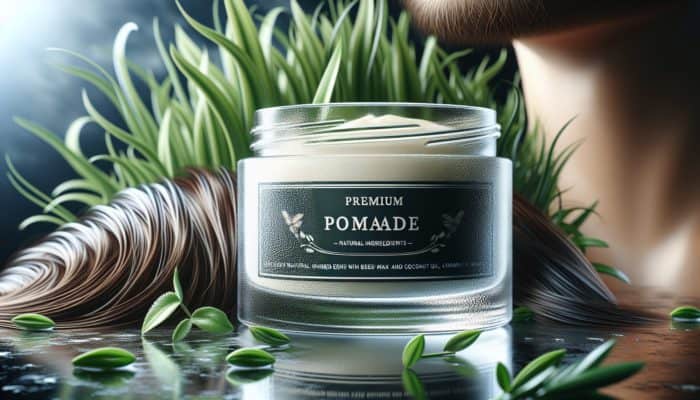
Assessing the quality of pomade ingredients is critical to ensure that you are using a product that is both effective and safe for your hair and scalp. A high-quality pomade typically contains natural waxes and oils, such as beeswax and coconut oil, while steering clear of synthetic additives that may lead to build-up or irritation.
Look for transparency in product labeling; reputable brands often provide comprehensive ingredient lists and sourcing details. Key indicators of quality pomade include:
- Short ingredient lists: Fewer ingredients typically suggest fewer chemicals and additives.
- Natural waxes: Such as beeswax, which provides hold without excessive weight.
- Essential oils: Deliver fragrance and added nourishment to the hair.
- No parabens or sulfates: Indicates a safer product for regular use.
- Organic certifications: Reflect a commitment to quality and sustainability practices.
- Clear labeling: Easy-to-understand descriptions of benefits and uses.
By keeping these factors in mind, you can select a pomade that aligns with your values and caters to your hair’s unique requirements, ensuring a styling routine that is both effective and health-conscious.
What Role Does Fragrance Play in Pomade Products?
The fragrance of pomade significantly enhances the overall user experience, often elevating the enjoyment of the application process. While many individuals appreciate a pleasant scent, it is essential to recognize that fragrances can occasionally cause irritation, particularly for those with sensitive skin. Choosing the right fragrance or opting for unscented options can be beneficial for all users.
When selecting a pomade, you may find an array of fragrance options available, ranging from earthy and herbal to fresh and fruity notes. If you have sensitive skin, seek pomades labeled as hypoallergenic or free from synthetic fragrances. Alternatively, consider:
- Mildly scented options: Provide a pleasant experience without overwhelming your senses.
- Unscented formulas: Ideal for those with sensitive scalps.
- Natural fragrances: Such as essential oils, which may offer additional benefits.
- Classic scents: Like sandalwood or citrus, that evoke nostalgia or style.
Ultimately, fragrance can enhance your grooming experience, making it feel more luxurious and enjoyable. However, ensuring skin compatibility should always remain the top priority, ensuring that your pomade enhances your style without causing discomfort.
Effective Techniques for Applying Pomade to Attain Maximum Hold
What Application Techniques Do Experts Suggest?
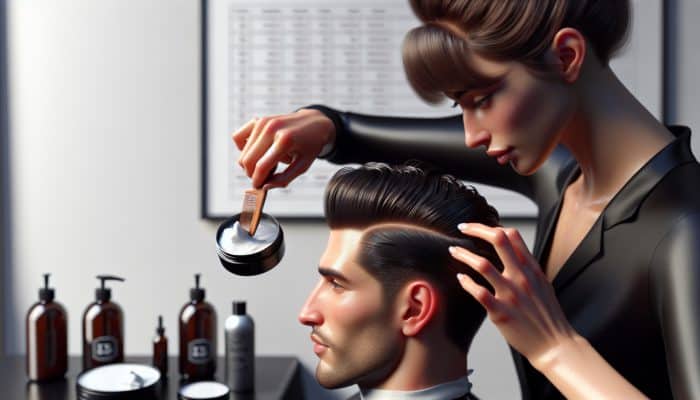
Professional stylists frequently emphasize specific methods for applying pomade to secure slick holds, ensuring that the product is utilized effectively to achieve the best results. A widely recommended approach begins with taking a small amount of pomade using your fingers. Warming the pomade between your hands is crucial, as this helps to soften the product, facilitating even application.
For example, a stylist working on a classic slick-back style might recommend starting at the back of the head and moving forward to ensure uniform distribution. Another effective technique involves using a comb to help spread the product more evenly, particularly for styles that require precise control. Here are additional techniques to consider:
- Scooping: Use just enough product to cover your palm adequately.
- Warming: Rub the pomade between your hands until it softens sufficiently.
- Layering: Apply in small sections for even coverage throughout.
- Comb through: Utilize a fine-toothed comb to distribute the product effectively.
- Check for balance: Ensure both sides of your style are symmetrical and polished.
By adhering to these expert techniques, you can achieve a polished look that maintains hold and style throughout the day, allowing you to enjoy a slick hold that lasts.
How Can You Achieve a Professional-Looking Style?
Attaining a professional finish with pomade necessitates careful attention to detail and a strategic approach. After evenly distributing pomade through your hair, the next crucial step involves meticulous combing and styling to create a sleek appearance.
Start with clean, slightly damp hair for the best results. Once the pomade is applied, utilize a fine-toothed comb to smooth out the hair and achieve that desired slick look. This technique helps eradicate any lumps or bumps, resulting in a refined finish. Here’s a step-by-step process to consider:
- Section your hair: Divide it into manageable parts for easier styling and control.
- Comb through: Use a fine comb to ensure even distribution and a smooth finish.
- Refine edges: Pay close attention to the hairline and sideburns for a clean, polished look.
- Check the back: Use a mirror to ensure symmetry at the back of your style.
- Adjust as necessary: Use your fingers to refine areas that may need more attention or balance.
These steps can lead to a polished hairstyle that appears professionally styled, allowing you to radiate confidence and sophistication wherever you go. The key is to take your time and ensure every detail is attended to for that coveted slick finish.
What Common Mistakes Should You Avoid When Applying Pomade?
When applying pomade, various common mistakes can undermine your styling efforts. A frequent error is using an excessive amount of product, which can lead to a greasy appearance and weigh your hair down. Another common pitfall is neglecting to warm the pomade before application, resulting in uneven distribution and less-than-ideal hold.
Experts advocate for a more measured approach to pomade application. For instance, it is generally advisable to start with a smaller amount of product and build up as necessary. Additionally, failing to comb through the hair thoroughly can leave you with an untidy look, so always aim for even coverage and smoothness. Here are critical mistakes to avoid:
- Overapplying: Start with a small amount to prevent greasiness and maintain lightness.
- Skipping warming: Always warm the product between your hands for better spreadability.
- Ignoring hair type: Tailor your approach based on your hair’s unique texture and needs.
- Neglecting combing: Use a comb to achieve smoothness and even distribution across your hair.
By being mindful of these pitfalls, you can ensure a more successful pomade application, leading to a stylish, slick hold that complements your overall look while minimizing the risk of common styling mishaps.
How Can You Maintain a Slick Hold Throughout the Day?
Sustaining a slick hold throughout the day can prove challenging, especially in varying climates or during busy activities. Experts recommend several strategies to ensure that your hairstyle remains intact, suggesting the right techniques and products to enhance durability. One effective tip is to avoid touching your hair too often, as this can disrupt the style and result in a less polished appearance.
Additionally, consider applying a light mist of hairspray or a finishing spray designed for hold to reinforce your style. For those in humid environments, opting for a stronger pomade or reapplication can help combat frizz and maintain sleekness. Here are some practical tips to keep your slick hold fresh and intact:
- Avoid humidity: Stay away from excessively humid areas whenever possible to prevent frizz.
- Limit touching: Try not to run your hands through your hair to maintain the style.
- Use a light hairspray: A gentle mist can help set and reinforce your style.
- Reapply as needed: Carry a small amount of pomade for touch-ups throughout the day.
By incorporating these strategies into your routine, you can enjoy a long-lasting slick hold that withstands the day’s demands while still looking effortlessly stylish.
Preparing Your Hair for Optimal Pomade Application
Should You Wash Your Hair Before Applying Pomade?
Deciding whether to wash your hair before applying pomade can greatly impact the product’s effectiveness. Clean hair may not hold pomade as effectively, as any residual natural oils are stripped away. Conversely, slightly dirty hair can provide better grip for the pomade, allowing it to adhere more effectively and maintain its hold for a longer duration.
Styling professionals typically recommend finding a balanced approach; washing your hair can be beneficial, but ensure you don’t completely strip it of its natural oils. For instance, if experimenting with styles, try applying pomade to hair that hasn’t been washed for a day or two to observe how it performs differently. Here are some factors to consider:
- Hair type: Oily hair may benefit from washing before application for better grip.
- Styling goals: Reflect on the look you’re aiming for; slick styles may require unwashed hair.
- Frequency: If using pomade often, a wash routine can help maintain scalp health.
- Experimentation: Discover what works best for your specific hair type and style preference.
Ultimately, the decision to wash your hair should align with your styling goals and hair health, allowing for the best possible results in your pomade application.
How to Properly Dry Your Hair Before Applying Pomade?
Properly drying your hair is essential for successful pomade application, as it influences both the hold and overall appearance. Towel drying and air drying are common methods, each affecting the final result in different ways. For example, towel drying can leave your hair damp but not overly wet, which is often ideal for pomade application, whereas air drying can create a more natural texture that may influence the product’s effectiveness.
If you prefer towel drying, be sure to pat rather than rub, as aggressive drying can lead to frizz or damage. Conversely, if you opt for air drying, consider how your hair settles as it dries, as this can impact how well the pomade adheres. Here are key drying methods to consider:
- Towel drying: Gently pat to remove excess moisture without friction that leads to frizz.
- Air drying: Allowing hair to dry naturally can enhance texture and volume.
- Blow drying: Use a low heat setting for quick drying, if necessary, to avoid damage.
- Comb as you dry: Helps in setting the shape while drying for better styling results.
By employing the right drying method for your hair type and style, you can create a solid foundation for pomade application, ultimately contributing to a better final look.
What Tools Are Essential for Effective Pomade Application?
Utilizing the right tools during pomade application can significantly influence the achievement of your desired style. Essential tools include combs and brushes, which facilitate the application and even distribution of the product throughout your hair. A fine-tooth comb is particularly advantageous for slick styles as it helps to smooth and straighten the hair while ensuring that the pomade is well integrated.
Moreover, having a quality brush can assist in refining and finishing your look after the pomade has been applied. For those who prefer a more textured style, a wide-tooth comb may provide the perfect balance of hold and movement. Here are the key tools you may find beneficial:
- Fine-tooth comb: Ideal for distributing product and detailing styles effectively.
- Wide-tooth comb: Suitable for thicker or curly hair types needing more volume.
- Brush: Can help smooth and finish the look for a polished appearance.
- Fingers: Excellent for achieving more textured or tousled styles for a relaxed look.
Employing these tools effectively not only enhances the application process but also contributes to achieving a professional-looking style that holds throughout the day.
How Much Pomade Is Ideal for Optimal Styling Results?
Determining the right amount of pomade to use can significantly influence the success of your styling efforts. Using too little product may not provide sufficient hold, while over-application can weigh your hair down and create an unappealing greasy appearance. Typically, the amount needed will vary based on hair length and desired style, so it’s essential to adapt accordingly.
As a guideline, start with a small amount, roughly the size of a pea, and add more as necessary. Consider factors such as hair thickness and style complexity when deciding how much to use. Here are some practical tips for measuring the right amount:
- Start small: Use a pea-sized amount to begin with for fine hair types.
- Build gradually: Add more in small increments until you reach the desired hold and finish.
- Consider hair length: Longer hair may require more product for effective styling and manageability.
- Adjustment for hair type: Thicker hair often needs a bit more product than fine hair for adequate hold.
By finding the right balance, you can ensure your style remains light and fresh while still maintaining that all-important slick hold.
Applying Pomade for Different Hair Types: Tailored Techniques
Different hair types require tailored approaches when applying pomade to achieve optimal results. For instance, fine hair may need less product overall, as too much can lead to a weighed-down look and lack of volume. Conversely, thick or curly hair might benefit from a more thorough distribution of pomade to ensure every strand is adequately styled and defined.
For those with straight hair, a water-based pomade often works best, providing control without excessive weight. On the other hand, individuals with curly hair should seek out pomades that not only offer hold but also moisturize to prevent dryness and maintain curl definition. Consider these tips for applying pomade to various hair types:
- Fine hair: Use less product and focus on even distribution to avoid heaviness.
- Thick hair: Apply more pomade and work it through thoroughly to achieve desired hold.
- Curlier textures: Look for pomades that enhance curl shape and moisture retention.
- Straight hair: Water-based options can provide flexibility and lightweight hold for styling.
By adjusting your application technique according to your hair type, you can ensure a stylish and manageable look that lasts throughout the day.
Your Complete Guide to Applying Pomade for Maximum Effectiveness
How Much Pomade Should You Use for Optimal Style?
Using the right amount of pomade is crucial for achieving the desired look without compromising hair health. Typically, the ideal amount varies based on hair length, type, and the style you’re aiming for. As a general rule, it’s wise to start with a smaller quantity to gauge how much your hair can accommodate for effective styling.
Begin with about a pea-sized amount and work your way up as needed. For finer hair, a smaller amount might suffice, whereas thicker or longer hair may require more product to achieve optimal hold. Here are some helpful tips for measuring the right amount of pomade:
- Pea-sized for short hair: Start small to avoid overuse and a greasy appearance.
- Marble-sized for medium hair: Increase as necessary for better hold and styling flexibility.
- Walnut-sized for long hair: Ensure enough coverage for extended lengths and styles.
- Adjust based on texture: Thicker hair may need additional product compared to fine hair.
By starting small and adjusting as needed, you can avoid the common pitfall of using too much pomade, leading to a more wearable and stylish finish that looks great.
What Is the Best Technique for Applying Pomade Effectively?
The application method plays a critical role in the effectiveness of pomade, influencing the style and hold of your hair. The best technique typically involves warming the pomade in your hands before applying, as this helps it spread more easily and evenly across your hair.
Begin by scooping the desired amount with your fingers, then rub it between your palms until it becomes pliable and warm. Once warmed, run your hands through your hair, starting from the back and working your way forward. This ensures even application and greater control. Here’s how to apply pomade effectively:
- Scoop and warm: Use fingers to scoop out the desired amount and warm it between your hands for better spreadability.
- Start from the back: Begin applying from the back towards the front for even coverage.
- Use a comb: For precision, utilize a fine-tooth comb to distribute the pomade evenly.
- Style as desired: Adjust and refine the style with your fingers or comb for a polished finish.
By following this method, you can achieve a smooth and controlled application that sets the stage for a polished look with lasting hold throughout the day.
How to Style Your Hair After Applying Pomade for Best Results?
After successfully applying pomade, the next step is to style your hair to achieve the desired look. Styling after application can involve using a comb, brush, or even your fingers to shape and refine your hairstyle. Depending on your preferred finish, different methods can help enhance the overall appearance and texture of your hair.
For a slick, polished finish, use a fine-toothed comb to smooth down the hair and create sharp lines. If a more textured look is what you desire, your fingers can provide a tousled finish that adds movement. Here are some techniques for styling after pomade application:
- Combing: Utilize a fine-tooth comb for a sleek, controlled style that looks professional.
- Brushing: A brush can help smooth out any bumps and refine your look for added polish.
- Finger styling: Employ your fingers for a more textured, casual appearance that feels natural.
- Adjust as needed: Be prepared to tweak your style to achieve balance and symmetry throughout.
Implementing these styling techniques will help you achieve a polished, professional appearance, allowing you to showcase your unique style with confidence and flair.
Maintaining Your Slick Hold Throughout the Day
What Strategies Can You Use to Sustain Your Style?
Maintaining your hairstyle throughout the day can be challenging, especially in changing environments. To keep your style intact, it’s crucial to adopt a few strategies that can help combat external factors like humidity and physical interference. A key recommendation is to avoid frequently touching your hair, as this can disrupt the hold and create an unruly appearance.
Additionally, incorporating a light mist of hairspray can reinforce the pomade hold without making your hair feel overly stiff or crunchy. Consider using a setting spray that complements your pomade for a more enduring style. Here are some effective tips to maintain your slick hold throughout the day:
- Avoid humidity: Stay away from damp environments to prevent frizz and style loss.
- Limit touching: Keep hands off your hair to maintain the original style throughout the day.
- Use a light hairspray: A fine mist can help set the style without compromising flexibility.
- Reapply pomade as needed: Carry a small amount for touch-ups throughout the day for freshness.
By maintaining these habits, you can enjoy a well-kept style that appears fresh and polished from morning until night, ensuring you look your best at all times.
How to Refresh Your Pomade Throughout the Day?
Refreshing your pomade during the day can be a simple yet effective way to keep your style looking sharp and polished. If you notice that your hold is fading or your hair is becoming unruly, a quick touch-up can easily revive your look. The key is to use a small amount of pomade to avoid overloading your hair.
Start by lightly dampening your hair with water or a spray bottle if necessary, then apply a small amount of pomade to your hands and rub it together before working it through your hair. This technique can help rejuvenate the product and re-establish the hold throughout the day. Here are some tips for refreshing pomade throughout the day:
- Lightly dampen hair: Use a spray bottle for even distribution without over-saturating.
- Scoop a small amount: Use a minimal amount to avoid build-up and maintain a natural look.
- Warm between hands: Remember to warm the pomade before application for better results.
- Style with fingers: Use your fingers to reshape and define your style as needed.
These refreshing techniques can help you maintain a polished appearance throughout the day, ensuring that your slick hold remains intact, regardless of what life throws your way.
What Are the Best Practices for Touch-Ups?
Touching up your hairstyle throughout the day is essential for maintaining your slick hold and polished appearance. Best practices for touch-ups include using a fine-tooth comb to refine any stray hairs and a small amount of pomade to fix areas that may have lost their shape. It’s crucial to keep the touch-up process light to avoid product build-up, which can lead to an unkempt appearance.
When performing touch-ups, start by assessing the areas that need attention and applying a minimal amount of pomade directly to those spots. Here are some best practices to consider for effective touch-ups:
- Use a comb: A fine-tooth comb can help smooth and refine your style for a polished look.
- Apply minimally: Use a small amount of pomade to prevent overload and maintain lightness.
- Target specific areas: Focus on stray hairs or areas that require reinforcement for a clean finish.
- Check in the mirror: Regularly evaluate your style for symmetry and balance throughout the day.
By following these touch-up practices, you can maintain a polished look that stays true to your original style, ensuring that you always look your best throughout the day.
Research-Backed Benefits of Applying Pomade for Strong Holds
How Does Pomade Serve as Protection for Your Hair?
Pomade not only styles your hair but can also act as a protective barrier against environmental damage. Many pomades are formulated to provide a layer of defense against pollutants and harsh weather conditions, keeping your hair looking healthy and vibrant. The ingredients found in quality pomades, such as beeswax and natural oils, can help provide moisture while safeguarding against dryness and breakage.
For example, pomade can shield hair from UV rays and wind, reducing the risk of damage caused by prolonged exposure to the elements. To enhance the protective benefits, choose pomades that contain nourishing ingredients like vitamin E, which can further bolster hair health. Here are some ways pomade can protect your hair:
- Barrier against pollutants: Forms a protective shield to combat environmental toxins and impurities.
- Prevents moisture loss: Locks in hydration for healthier, more resilient hair.
- Reduces frizz: Helps control flyaways and maintain style integrity throughout the day.
- Strengthens strands: Ingredients like beeswax can provide added structural support for your hair.
By selecting a high-quality pomade, you can enjoy the styling benefits while also contributing to long-term hair health, ensuring your locks remain protected and resilient against damage.
What Are the Long-Term Effects of Regular Pomade Use on Hair Health?
The long-term effects of pomade use on hair health can be multifaceted and depend on the product’s ingredients and the frequency of use. Regular application of pomade can lead to build-up if proper cleansing methods aren’t employed, potentially resulting in dullness or irritation. However, when used correctly and with quality products, pomade can enhance the appearance and manageability of your hair over time.
Certain nourishing ingredients in healthier formulations might even improve hair texture and strength over time, especially when combined with a good hair care routine. Here are some long-term effects to consider when using pomade:
- Build-up risk: Frequent use without proper cleaning can lead to residue accumulation, making hair dull.
- Improved manageability: Some pomades enhance hair texture, facilitating easier styling and maintenance.
- Potential for dryness: If overly heavy products are used, hair may become dry and lose its natural moisture.
- Ingredient-dependent effects: Natural ingredients can lead to healthier hair over time, improving overall health.
Understanding these potential long-term effects allows you to make informed decisions about your pomade choice and how it fits into your overall hair care routine, ensuring optimal results.
Can Pomade Contribute to Enhancing Hair Health?
Some pomades contain nourishing ingredients that can actively contribute to improving hair health. For instance, formulations rich in natural oils like argan or jojoba can provide moisture, while others may include vitamins that promote hair strength and shine. When selecting pomades, look for those that highlight their beneficial ingredients in their marketing, as these are more likely to deliver positive results for your hair.
Examples of pomades designed to enhance hair health often include those that advertise improved hydration or are marketed as ‘conditioning’ pomades. Here are some ways pomade can promote hair health:
- Moisturizing properties: Ingredients like coconut oil can hydrate and nourish hair effectively over time.
- Strengthening agents: Some pomades contain proteins that help fortify hair structure for better resilience.
- Natural extracts: Ingredients like aloe vera can soothe the scalp and improve overall health and vitality.
- Reduced breakage: Quality pomades can help prevent damage through protective layers, supporting healthier hair.
Choosing the right pomade can indeed contribute to better hair health over time, making it a valuable addition to your grooming routine and overall hair care strategy.
Troubleshooting Common Pomade Issues
What Actions Should You Take If Your Hair Becomes Greasy After Applying Pomade?
If you find that your hair becomes greasy after applying pomade, it’s likely due to using too much product or opting for an overly heavy formulation. The first step in addressing this issue is to scale back on the amount you use in the future. Additionally, implementing a dry shampoo can help absorb excess oil and restore volume to your hair.
Choosing a lighter pomade, particularly a water-based option, can also help reduce greasiness. Here are some strategies to manage greasy hair after pomade application:
- Use dry shampoo: Sprinkle or spray on roots to absorb excess oil and refresh your style.
- Scale back product amount: Use less pomade during application to avoid build-up and heaviness.
- Choose lighter formulations: Opt for water-based pomades that offer less weight and heaviness.
- Rewash hair: If necessary, a clarifying shampoo can help remove product build-up effectively.
By employing these strategies, you can effectively manage greasiness and maintain a fresh and appealing appearance while ensuring your styling routine remains enjoyable.
How to Soften a Style That’s Too Stiff After Pomade Application?
If you notice that your hairstyle appears too stiff after applying pomade, there are several methods to soften it without starting over. One effective technique is to add a small amount of water or a lighter product, which can help rehydrate and loosen the hold.
Additionally, using a comb to gently work through the hair can create a softer, more natural finish. Here are some tips for softening a stiff style:
- Lightly dampen hair: Use a spray bottle filled with water to rehydrate the product without over-saturating.
- Add a lighter product: Apply a tiny amount of lightweight styling cream or lotion to reduce stiffness.
- Comb through: Use a comb to distribute the product and soften the hold without disrupting the style.
- Finger-style: Run your fingers through your hair to loosen the stiffness and create a more relaxed look.
Implementing these techniques allows you to adjust your hairstyle, giving it a more natural look without sacrificing all the hard work you put into styling effectively.
What Should You Do If Your Pomade Fails to Hold?
If you discover that your pomade isn’t delivering the hold you anticipated, it may be due to several factors, such as product type, application technique, or hair condition. First, assess whether you are using the correct type of pomade suitable for your hair; oil-based formulas typically provide more hold than water-based options.
If you suspect that your application technique may be the issue, ensure you are warming the pomade sufficiently and distributing it evenly throughout your hair. Here are some troubleshooting steps to consider if your pomade doesn’t hold:
- Check product type: Ensure you’re using an appropriate pomade for your hair type and desired style.
- Warm properly: Make sure the pomade is adequately warmed between your hands before application.
- Apply evenly: Ensure thorough distribution across all hair sections for maximum hold.
- Consider reapplication: A small amount of additional product may be needed for better hold if necessary.
By addressing these factors, you can enhance your styling efforts and achieve the slick hold you desire for your hair.
Choosing the Right Pomade for Your Hair Type
What Pomade Is Most Suitable for Fine Hair?
Fine hair requires specific considerations when selecting pomade to avoid weighing it down. Water-based pomades are often recommended for fine hair types due to their lightweight formula, which provides hold without excess heaviness. These types of pomades can add texture and volume without making the hair feel greasy or limp.
When choosing a pomade for fine hair, look for products that advertise a light hold or are specifically designed for fine hair. Consider the following recommendations for fine hair:
- Water-based pomades: Lighter in formulation and easier to wash out.
- Matte finishes: Avoids a shiny, greasy appearance that can weigh fine hair down.
- Volumizing properties: Some pomades are formulated to boost thickness and add body.
- Minimal ingredients: Choose products with fewer additives to prevent build-up and maintain a natural look.
Selecting the right pomade for fine hair can significantly enhance your styling experience, allowing you to achieve your desired look without compromising volume or texture.
How to Choose Pomade for Thick Hair?
For individuals with thick hair, the choice of pomade can dramatically influence styling ease and effectiveness. Heavier pomades, particularly oil-based formulations, typically provide the robust hold necessary to manage thick hair. These products can help tame frizz and maintain a style throughout the day, making them a go-to option for those with textured hair.
When selecting pomade for thick hair, it’s essential to consider the desired finish and hold. Here are some factors to keep in mind:
- Oil-based pomades: Ideal for strong hold and slickness that thick hair often requires.
- Thick pastes: Offer texture and control for thicker hair, allowing for various styles.
- High shine finishes: Can enhance the overall look of structured styles and sleek appearances.
- Hold strength: Look for descriptions indicating strong or firm hold, as these are optimal for thick hair.
By choosing a product specifically designed for thick hair, you can achieve a polished and stylish look that maintains its integrity throughout the day.
What Are the Best Options for Curly Hair?
Curly hair presents unique challenges when it comes to styling, and using the right pomade can help enhance curl definition while providing hold. Look for pomades that offer both hold and moisture, as this will help maintain curls without leaving them feeling stiff or crunchy.
Pomades containing natural oils can also nourish curls while providing the necessary hold, making them more manageable. Here are some options to consider for curly hair:
- Moisturizing pomades: Formulated to hydrate and define curls without weighing them down.
- Lightweight creams: Offer hold without heaviness, ideal for maintaining curl bounce.
- Natural extracts: Such as aloe or coconut oil for added moisture and shine to curls.
- Frizz control: Look for products specifically designed to combat frizz for smoother curls.
Selecting the right pomade for curly hair can lead to beautifully defined and healthy curls, allowing you to embrace your natural texture with confidence and style.
Removing Pomade and Ensuring Post-Care for Your Hair
How to Effectively Wash Out Oil-Based Pomade?
Removing oil-based pomade can prove challenging due to its heavy formulation. Standard shampoos might not effectively combat build-up, so opting for a clarifying shampoo is often recommended. These types of shampoos are specifically designed to penetrate and eliminate stubborn residues from products like pomade.
Start by applying a generous amount of clarifying shampoo directly to dry hair before adding water. This method allows the shampoo to break down the pomade effectively. Here are some practical steps for washing out oil-based pomade:
- Apply clarifying shampoo: Start on dry hair to break down product build-up effectively.
- Add water gradually: Slowly mix in water to emulsify the product and rinse thoroughly.
- Rinse thoroughly: Ensure all residue is removed before conditioning your hair.
- Follow up with conditioner: Restore moisture after stripping away build-up for healthy hair.
By employing these methods, you can effectively remove oil-based pomade while ensuring your hair remains healthy and hydrated for future styling.
What Are the Best Practices for Hair Care After Using Pomade?
Proper hair care following pomade use is essential to maintain hair health and ensure long-lasting styling results. It’s crucial to nourish your hair and scalp after removing pomade to combat any potential dryness or build-up. Using a good conditioner or hair mask can help restore moisture and vitality to your hair.
Incorporating regular deep conditioning treatments into your routine can also improve hair resilience and manageability, particularly if you frequently use pomade. Here are some best practices to consider after pomade use:
- Use a nourishing conditioner: Helps restore moisture after washing out pomade for healthy hair.
- Consider deep conditioning: Regular treatments can significantly enhance hair health and hydration.
- Stay hydrated: Consuming plenty of water aids overall hair health and vitality.
- Avoid excessive heat: Limit the use of heat styling tools to prevent damage and maintain hair quality.
By prioritizing hair care after pomade use, you can ensure that your locks remain healthy, vibrant, and stylish for all occasions, reflecting your grooming efforts effectively.
How Often Should You Use Pomade for the Best Results?
The frequency of pomade use can vary based on individual preferences and hair health. While using pomade daily may be acceptable for some, others may find that giving their hair breaks is beneficial for maintaining optimal health. Overuse of pomade can lead to build-up, which might impact hair health and styling ease.
If you find yourself using pomade frequently, consider alternating with lighter products or taking breaks to allow your hair to recover and breathe. Here are some factors to keep in mind regarding pomade usage frequency:
- Assess hair health: If your hair feels heavy or dull, consider reducing pomade use for a while.
- Rotate products: Use lighter styling options on days without pomade to prevent build-up.
- Plan for special occasions: Reserve pomade for days when you need a polished look for events.
- Listen to your hair: Pay attention to how your hair reacts and adjust your usage accordingly.
By finding a balance that works for your hair type and lifestyle, you can enjoy the benefits of pomade without compromising hair health or styling comfort.
Frequently Asked Questions About Pomade
Can I Apply Pomade on Wet Hair for Better Results?
Yes, pomade can be applied to wet hair, but results may vary. Generally, applying to slightly damp hair helps with even distribution and enhances hold without weighing the hair down excessively.
Is Pomade Suitable for All Hair Types?
Pomade can be suitable for various hair types, but choosing the right formula is essential. Water-based options work well for fine hair, while oil-based products are better suited for thicker hair types needing more robust hold.
How Do I Remove Pomade Without Damaging My Hair?
To effectively remove pomade, use a clarifying shampoo on dry hair, then rinse thoroughly. Follow up with a conditioner to restore moisture and health to your hair.
Can Pomade Cause Hair Loss Over Time?
Pomade itself does not cause hair loss; however, build-up from frequent use without proper washing can lead to scalp issues that may affect hair health and growth.
How Can I Add Volume to My Hair When Using Pomade?
To add volume, try using a lightweight pomade or a volumizing spray before application. Ensure not to overload with product to maintain lift and body in your style.
Is It Acceptable to Mix Different Pomades for Custom Styles?
Mixing different pomades is possible, but it’s best to stick to similar formulations—like two water-based or two oil-based—for optimal results without compromising the hold and finish.
What’s the Best Way to Store Pomade for Longevity?
Store pomade in a cool, dry place away from direct sunlight to maintain its consistency and effectiveness for a longer period, ensuring it works well when you need it.
How Can I Tell if a Pomade is High-Quality?
A high-quality pomade will feature a clear ingredient list, comprising natural waxes and oils, and will be free from harsh chemicals. Look for well-reviewed brands that prioritize quality and performance.
Can I Use Pomade on Beard Hair for Styling Purposes?
Yes, pomade can be used on beard hair for styling and control, but opt for lighter, softer formulations to avoid stiffness and maintain a natural look.
How Often Should I Wash My Hair If I Use Pomade Regularly?
If using pomade regularly, aim to wash your hair at least every other day with a clarifying shampoo to prevent build-up and maintain scalp health and overall hair vitality.
Connect with Us on Facebook for More Tips!
The Article: Applying Pomade for Slick Holds: Master the Look appeared first on Amitys Hair Salon.
The Article Pomade for Slick Holds: Achieve the Perfect Style Was Found On https://limitsofstrategy.com