Essential Insights on Iron Needs for Endurance Runners
How Does Iron Contribute to Enhanced Endurance Performance?
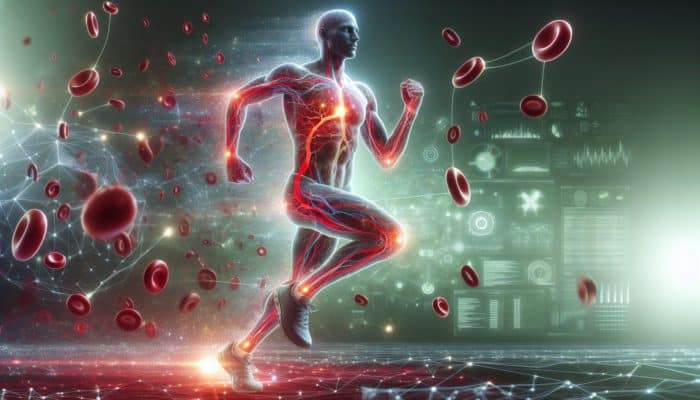
Iron serves as a vital mineral for endurance athletes, playing an indispensable role in the transport of oxygen throughout the body, which is essential for maintaining peak physical performance levels. As a fundamental part of hemoglobin, the protein located in red blood cells, iron facilitates the movement of oxygen from the lungs to various muscles and tissues. With increasing physical exertion, the body’s demand for oxygen escalates, making adequate iron levels particularly crucial for endurance runners. By comprehending the diverse functions of iron, athletes can enhance their performance and overall health effectively.
- Oxygen transport within the bloodstream
- Energy production in muscle tissues
- Support for a robust immune system
- Regulation of body temperature during physical activity
- Prevention of fatigue and physical weakness
- Enhancement of endurance capacity and stamina
Athletes who engage in rigorous training often undergo a higher turnover of red blood cells, necessitating increased iron intake. This is especially relevant for endurance runners, whose performance significantly relies on the efficient delivery of oxygen to active muscles. By recognizing the various roles that iron plays in the body, runners can make educated decisions regarding their diet and supplementation, ultimately boosting their competitive edge and performance levels.
What Are the Recommended Daily Iron Intakes for Endurance Athletes?
The daily iron intake recommendations vary based on numerous factors, including age, sex, and physical activity levels. For endurance athletes, the iron requirement can be markedly higher due to increased energy expenditure and the need for red blood cell production. Generally, the recommended dietary allowance (RDA) for iron is about 8 mg per day for adult males and 18 mg for adult females. However, athletes may require between 15 to 30 mg daily, depending on the intensity and duration of their training regimen.
Endurance runners frequently experience iron loss through sweat, gastrointestinal bleeding, and the mechanical breakdown of red blood cells during high-impact activities. Hence, these athletes must closely monitor their iron intake. Regular blood tests can help assess iron levels, facilitating necessary dietary adjustments and supplementation when needed. By remaining vigilant about their iron requirements, endurance runners can optimize their performance while avoiding the negative consequences associated with deficiency.
How Can Runners Recognize Signs of Iron Deficiency?
Identifying iron deficiency is crucial since it can considerably impair athletic performance. Symptoms may range from mild to severe and typically include persistent fatigue, shortness of breath during physical activity, dizziness, headaches, and diminished exercise performance. Iron deficiency anemia may also present symptoms like paleness, cold extremities, and brittle nails, indicating an insufficient amount of iron for producing healthy red blood cells.
Being aware of these symptoms allows runners to take proactive steps. Regular self-assessments and reflections on performance can help detect potential iron deficiency early. If any of these signs emerge, it is essential to consult a healthcare professional for further evaluation and testing. Early diagnosis and intervention can prevent long-term health issues, ensuring that athletes retain their competitive capabilities and overall wellness.
Expert Recommendations for Iron Supplementation Among Endurance Runners

What Key Factors Should Inform Your Iron Supplement Selection?
When selecting the right iron supplement, several factors must be taken into account, including the type of iron, individual absorption rates, and personal dietary preferences. There are various forms of iron supplements available—such as ferrous sulfate, ferrous gluconate, and ferrous fumarate—each providing different levels of bioavailability and gastrointestinal tolerance. Ferrous sulfate is often recommended due to its high bioavailability; however, individuals who have experienced gastrointestinal issues with other forms may prefer gentler alternatives like ferrous gluconate.
Additionally, some athletes may find it beneficial to take iron supplements in conjunction with vitamin C, as this vitamin can enhance iron absorption. For example, endurance runners, particularly marathoners, have reported positive outcomes from taking iron supplements post-workout to optimize recovery and improve iron availability when the body is most receptive to nutrient absorption. Collaborating with a healthcare provider is crucial to tailor supplementation according to individual needs and objectives. By selecting the right iron supplement, runners can effectively support their training goals and performance outcomes.
What Is the Best Timing for Iron Supplement Intake?
The timing of iron supplementation can significantly affect its efficacy. To maximize absorption, it is typically advised to take iron supplements on an empty stomach, roughly 1-2 hours before meals. However, consuming them alongside a source of vitamin C can further enhance absorption, making it advantageous to pair them with orange juice or other vitamin C-rich foods.
Here are some recommended times for taking iron supplements:
- Upon waking, before breakfast
- Mid-morning with a vitamin C source
- In the afternoon, 1-2 hours prior to exercising
- Before bedtime, if gastrointestinal discomfort occurs
It’s best to avoid consuming calcium-rich foods, tea, or coffee around the same time as iron intake, as these can impede absorption. By strategically timing their iron supplementation, endurance runners can optimize its benefits, ensuring their bodies are well-prepared for training and competitive events.
Can Iron Supplements Lead to Adverse Reactions?
Yes, some individuals may experience side effects when taking iron supplements, including gastrointestinal issues such as constipation, nausea, and abdominal cramps. These side effects can often be mitigated by taking supplements with food, although this may diminish absorption. When starting an iron supplement regimen, it is wise to begin with a lower dosage and gradually increase it to allow the body to adapt.
Monitoring one’s response to supplementation is essential. If side effects persist, consulting with a healthcare professional may be prudent to explore alternative iron formulations or adjust the dosage as necessary. Understanding potential side effects helps athletes manage their supplementation safely, ensuring they can reap the benefits of iron without compromising their comfort or athletic performance.
Valuable Benefits of Iron Supplementation for Endurance Athletes
How Does Iron Supplementation Improve Oxygen Delivery to Muscles?
One of the most significant benefits of iron supplementation for endurance athletes is the enhancement of oxygen delivery to muscles. Sufficient iron levels are crucial for hemoglobin production, which boosts the efficiency of oxygen transport during intense physical activity. This enhanced oxygen delivery translates into increased endurance capacity, allowing runners to maintain their performance for extended periods.
The performance advantages associated with improved oxygen delivery include:
- Increased endurance capacity
- Enhanced aerobic metabolism
- Improved time-to-exhaustion during physical exertion
- Faster race completion times and better overall performance metrics
Research indicates that athletes who sustain adequate iron levels can endure higher workloads for longer durations, directly impacting their race outcomes. By ensuring optimal iron levels, endurance runners can challenge their limits and achieve personal bests.
What Is the Link Between Iron Levels and Recovery After Workouts?
Maintaining adequate iron levels also facilitates better recovery following intense workouts. Iron plays a vital role in the recovery process, aiding muscle repair and regeneration, which reduces recovery time between training sessions. Runners who maintain sufficient iron levels often report less muscle soreness and overall fatigue.
With optimized iron levels, athletes experience improved recovery through:
- Reduced muscle inflammation
- Faster replenishment of glycogen stores
- Decreased muscle breakdown
- A lower risk of injury
By incorporating iron supplementation into their recovery strategies, endurance runners not only enhance their immediate post-workout recovery but also support long-term performance sustainability. This approach fosters a more effective training regimen, promoting consistent gains over time.
What Is the Connection Between Iron Levels and Endurance Capacity?
Iron significantly affects endurance capacity by supporting aerobic metabolism, which is crucial for long-distance running and other endurance activities. As iron aids in the formation of hemoglobin, it ensures effective oxygen utilization by muscles during prolonged exercise. This utilization is fundamental for sustaining energy levels and delaying fatigue.
The relationship between iron levels and endurance performance encompasses:
- Enhanced aerobic capacity
- Improved stamina
- Increased adaptability to training
- Higher overall performance metrics
Athletes with optimal iron levels typically find they can perform at elevated intensities without succumbing to fatigue, enabling more effective training and greater success in competition. Therefore, monitoring and optimizing iron status is essential for any endurance athlete aiming to maximize their performance potential.
Effective Strategies for Incorporating Iron-Rich Foods Into Your Diet
What Are the Top Sources of Iron for Athletes?
Incorporating iron-rich foods into an athlete’s diet is a powerful strategy for supporting iron levels while naturally complementing supplementation. Numerous foods serve as excellent sources of iron, and including a variety of these in daily meals can help athletes meet their iron needs effectively.
Some of the most beneficial sources of iron include:
- Red meat (beef and lamb)
- Poultry (chicken and turkey)
- Fish (especially canned sardines and salmon)
- Legumes (lentils, chickpeas, and beans)
- Dark leafy greens (spinach and kale)
- Nuts and seeds (pumpkin seeds and almonds)
- Fortified cereals and grains
- Dried fruits (apricots and raisins)
These foods can be seamlessly integrated into meals and snacks throughout the day. For example, a hearty lentil stew or a spinach salad topped with grilled chicken can significantly enhance iron intake. By emphasizing these iron-rich foods, endurance runners can improve their overall nutrition and bolster their athletic performance.
How Can You Optimize Iron Absorption Through Your Diet?
Maximizing iron absorption through dietary choices is essential for athletes aiming to enhance their iron intake. Certain foods can notably increase the bioavailability of iron when consumed alongside iron-rich items. For instance, pairing iron-rich foods with vitamin C-rich foods can boost absorption, as vitamin C aids in converting iron into a more absorbable form for the body.
Effective strategies to enhance iron absorption include:
- Combining iron-rich foods with vitamin C sources (e.g., citrus fruits, bell peppers, and broccoli)
- Avoiding calcium-rich foods during iron consumption
- Minimizing intake of tea or coffee with meals
- Cooking with cast-iron cookware can leach trace amounts of iron into food
Runners should be mindful of these dietary strategies to maximize their iron intake and support their training regimens. By understanding how to effectively pair foods, athletes can create meals that optimize iron absorption, thereby enhancing their overall performance potential.
What Risks Are Associated with Over-Reliance on Iron Supplements?
While iron supplements can be beneficial, excessive reliance on them without a balanced diet may lead to nutritional imbalances and potential health complications. Excessive iron intake can result in iron overload, which may cause oxidative damage and result in severe health issues, including liver damage and metabolic disorders. This highlights the necessity of a comprehensive approach to iron intake that includes both dietary sources and supplements.
To mitigate risks, athletes should:
- Prioritize whole food sources of iron
- Monitor total iron intake, including from supplements
- Consult with healthcare providers regarding supplementation
- Regularly test iron levels to ensure balance and appropriateness
Maintaining a balanced diet is vital not only for achieving adequate iron levels but also for sustaining overall health and athletic performance. By incorporating a variety of iron-rich foods along with mindful supplementation, endurance runners can effectively support their nutritional needs while minimizing risks associated with excessive iron intake.
How to Plan Meals with Iron-Rich Foods?
Planning meals rich in iron can be a straightforward task. With a bit of creativity, athletes can easily incorporate a variety of iron-rich foods into their daily meals. Thoughtful meal planning ensures that runners acquire the necessary nutrients to support their iron levels while enjoying a wide range of flavorful dishes.
Here are some practical tips for effective meal planning:
- Start the day with iron-fortified breakfast cereals topped with berries for added vitamin C.
- Include a salad featuring spinach, chickpeas, and a citrus dressing for lunch.
- For dinner, consider grilled chicken served with quinoa and steamed broccoli.
- Snack on nuts and dried fruit or hummus with assorted vegetables throughout the day.
Through strategic meal planning, endurance runners can ensure they consistently meet their iron needs while benefiting from a variety of essential nutrients. This approach not only contributes to improved health but also enhances athletic performance, enabling runners to excel in their training and competitions.
Research-Supported Benefits of Iron Supplementation for Endurance Athletes
What Does Research Reveal About Performance Enhancements from Iron Supplementation?
Research has consistently demonstrated that iron supplementation leads to substantial improvements in endurance performance among athletes. Numerous studies indicate that athletes with low iron levels often observe enhancements in performance metrics, such as increased VO2 max, improved time to exhaustion, and faster race completion times after addressing iron deficiency through supplementation.
To effectively leverage these findings, athletes should:
- Regularly monitor their iron levels through blood tests.
- Consult with a nutritionist or healthcare provider about personalized supplementation.
- Incorporate iron-rich foods into their diets.
- Document training and performance outcomes to track improvements.
By actively addressing iron deficiency and integrating supplementation as needed, endurance runners can utilize research-backed strategies to enhance their performance, turning scientific findings into practical training advancements.
What Are the Long-Term Health Benefits of Maintaining Adequate Iron Levels?
The significance of iron extends beyond immediate performance advantages; it also contributes to long-term health among endurance athletes. Maintaining sufficient iron levels is associated with improved immune function, a reduced risk of fatigue, and better overall metabolic health. By ensuring adequate iron intake, athletes can enhance their overall well-being, facilitating consistent training and effective recovery.
Some notable long-term health benefits include:
- Enhanced immune response to illnesses
- Improved energy levels with decreased fatigue
- Better muscle function and quicker recovery
- Lower risk of developing chronic fatigue syndrome
Prioritizing iron intake is a strategic choice for athletes seeking to sustain longevity in their sport. By focusing on both performance and health, endurance runners can enjoy a more sustainable and fulfilling athletic career.
What Do Experts Recommend Regarding Iron and Endurance Performance?
Experts widely acknowledge the critical importance of iron for endurance athletes. Many emphasize that maintaining optimal iron levels is essential for enhancing performance, energy, and recovery. Sports nutritionists and healthcare professionals frequently advocate for regular monitoring of iron status, especially among athletes engaged in high training volumes.
Key expert insights include:
- Iron is vital for oxygen transport and energy metabolism.
- Optimal iron levels correlate with enhanced endurance performance.
- Supplementation should be tailored to individual needs, with routine assessments.
- A holistic approach that integrates diet and supplementation is crucial for success.
By adhering to expert recommendations, endurance runners can make well-informed decisions regarding their iron intake. This understanding is essential for developing tailored strategies that effectively support their performance and overall wellness.
What Strategies Can Athletes Implement for Optimal Iron Intake?
To ensure adequate iron levels, endurance athletes can adopt several effective strategies tailored to their specific needs. These strategies emphasize a balanced approach that combines dietary intake with supplementation, enabling athletes to maintain optimal iron levels without the risks associated with over-reliance on pills.
Some effective strategies include:
- Incorporate a diverse range of iron-rich foods into daily meals.
- Combine dietary iron sources with vitamin C for enhanced absorption.
- Monitor iron levels through regular blood tests.
- Tailor supplementation based on individual absorption rates and requirements.
By implementing these strategies, endurance runners can effectively manage their iron status, ensuring they are well-prepared for training and competition. This proactive approach supports long-term health, performance, and overall wellness.
Practical Approaches for Managing Iron Levels
How Can You Effectively Monitor Your Iron Levels?
Monitoring iron levels is crucial for endurance runners aiming to maintain optimal health and performance. Regular blood tests that assess ferritin, hemoglobin, and transferrin saturation provide essential insights into iron status. These tests can help identify deficiencies before they manifest as performance declines or health complications.
In addition to blood tests, athletes should remain alert for signs of potential iron deficiency, such as fatigue and reduced performance. Keeping a food diary can also assist in tracking dietary iron intake. Regular assessments empower runners to make informed decisions about their dietary and supplemental iron intake, ensuring optimal performance levels.
What Strategies Can Help Prevent Iron Deficiency?
Preventing iron deficiency should be a priority for endurance athletes, as it directly affects both performance and health. A proactive approach can help ensure adequate iron levels through a combination of dietary strategies and supplementation when necessary.
Key strategies include:
- Consistently incorporate a variety of iron-rich foods into meals.
- Monitor and adjust dietary intake based on training load.
- Stay well-hydrated, as dehydration can worsen iron absorption issues.
- Consult with healthcare professionals for personalized supplementation advice.
By implementing these preventive measures, endurance runners can sustain optimal iron levels, avoid deficiencies, and enhance their training outcomes.
What Steps Should You Take If You Suspect Iron Deficiency?
If an athlete suspects they have iron deficiency, it is crucial to take immediate action to prevent performance declines. The first step is to consult with a healthcare professional for evaluation and testing. This will help determine the severity of the deficiency and guide appropriate interventions.
Once a diagnosis is confirmed, athletes can:
- Adjust their diet to include more iron-rich foods.
- Consider iron supplementation under professional guidance.
- Monitor symptoms and performance closely to assess improvement.
- Educate themselves on iron absorption strategies to enhance effectiveness.
Taking prompt action can mitigate the impacts of iron deficiency and support a return to optimal performance levels. By prioritizing iron health, endurance runners can safeguard their athletic careers.
Which Foods Are High in Iron That Should Be Included in Your Diet?
Incorporating iron-rich foods into the diet is vital for maintaining healthy iron levels. Athletes should focus on a variety of sources to ensure they receive essential nutrients while enjoying diverse meals.
Some top foods rich in iron include:
- Red meat (beef, lamb, and organ meats)
- Poultry (chicken and turkey)
- Seafood (fish and shellfish)
- Legumes (beans, lentils, and peas)
- Dark leafy greens (spinach, kale, and Swiss chard)
- Fortified grains and cereals
- Nuts and seeds (especially pumpkin and sesame seeds)
- Dried fruits (apricots, raisins, and prunes)
By integrating these foods into daily meals, endurance runners can naturally elevate their iron intake. Meal preparation that focuses on these iron-rich foods can simplify the process, making it easier to maintain consistent iron levels that support optimal performance and health.
What Lifestyle Changes Can Enhance Iron Absorption?
Implementing specific lifestyle changes can significantly improve iron absorption, allowing athletes to maximize the benefits of their dietary intake and supplementation. Certain habits can inhibit absorption, while others can facilitate better uptake of iron.
Effective lifestyle changes to enhance iron absorption include:
- Pairing iron-rich foods with vitamin C sources like citrus fruits and bell peppers.
- Limiting the consumption of calcium and caffeine-rich foods around iron intake.
- Cooking with cast-iron cookware can release small amounts of iron into food.
- Maintaining a balanced diet to support overall nutrient absorption.
By adopting these lifestyle modifications, endurance runners can enhance their body’s ability to absorb iron, helping them maintain optimal levels for both performance and health.
Strategies for Optimizing Iron Intake for Peak Performance
How to Achieve a Balance Between Dietary and Supplemental Iron?
A balanced approach to iron intake is crucial for optimizing performance among endurance athletes. While supplements can help fill the gap when dietary intake is insufficient, relying solely on them may not provide the comprehensive nutritional benefits that whole foods offer.
Strategies for balancing dietary and supplemental iron include:
- Prioritize whole, iron-rich foods in daily meals.
- Utilize supplements strategically, particularly during intense training periods.
- Monitor iron levels through regular testing to guide dietary adjustments.
- Consult with a nutritionist for personalized supplementation plans.
By harmonizing dietary and supplemental iron intake, endurance runners can effectively support their health and performance. This holistic approach ensures that athletes not only meet their iron needs but also benefit from the complete range of nutrients found in foods.
What Are the Effects of Iron Supplementation on Training Outcomes?
Iron supplementation can profoundly affect training outcomes for endurance athletes. By enhancing oxygen transport and energy production, iron plays a crucial role in optimizing performance and recovery during training sessions.
The effects of iron supplementation on training include:
- Increased energy levels during workouts
- Reduced fatigue and faster recovery
- Enhanced capability to perform at higher intensities
- Improved adaptations to training loads over time
Incorporating iron supplementation into a training regimen allows athletes to push their limits while minimizing the risks of fatigue-related setbacks. This advantage can lead to more effective training cycles and improved race performances, ultimately contributing to long-term athletic success.
What Personalized Strategies Should Be Used to Tailor Iron Intake?
Customizing iron intake according to individual needs is essential for maximizing the benefits of supplementation and dietary sources. Factors such as gender, age, training intensity, and overall health can influence iron requirements among endurance athletes.
To effectively tailor iron intake, athletes should:
- Assess personal iron levels through regular blood testing.
- Consult with a healthcare provider to determine specific dietary needs.
- Monitor dietary intake and adjust as necessary based on training demands.
- Stay informed about individual responses to supplementation and dietary changes.
By personalizing their approach, endurance runners can ensure they maintain optimal iron levels to support both their health and athletic performance. This individualized strategy is key to achieving peak performance and longevity in the sport.
Frequently Asked Questions About Iron and Endurance Performance
What Symptoms Indicate Iron Deficiency in Runners?
Symptoms indicative of iron deficiency in runners may encompass fatigue, shortness of breath, decreased exercise performance, and dizziness. Early detection is vital for preventing long-term health complications and optimizing performance.
How Much Iron Should Endurance Runners Consume Each Day?
Endurance runners might require between 15 and 30 mg of iron daily, depending on their training intensity and personal factors. Regular monitoring of iron levels is recommended to ensure optimal health and performance.
Can I Meet My Iron Requirements Through Diet Alone as an Endurance Runner?
Yes, by incorporating a variety of iron-rich foods such as red meat, legumes, and dark leafy greens, endurance runners can effectively meet their iron needs without solely relying on supplements.
When Is the Optimal Time to Take Iron Supplements?
It is generally advisable to take iron supplements on an empty stomach, ideally 1-2 hours before meals, to maximize absorption and efficacy.
What Side Effects May Occur from Iron Supplementation?
Potential side effects of iron supplements can include gastrointestinal issues such as constipation, nausea, and stomach cramps. Monitoring your body’s response is essential for effective management and comfort.
How Can You Enhance Iron Absorption from Food Sources?
To boost iron absorption, pair iron-rich foods with vitamin C sources, such as citrus fruits or bell peppers, and avoid calcium and caffeine during meals to optimize iron uptake.
Which Foods Are Noteworthy for Their High Iron Content?
Foods abundant in iron include red meat, poultry, seafood, legumes, dark leafy greens, nuts, seeds, and fortified cereals, all of which can enhance dietary iron intake.
How Often Should I Check My Iron Levels?
It is advisable to monitor iron levels if you suspect a deficiency or regularly if you are an endurance athlete, ideally every 6-12 months, based on individual needs and training loads.
Can Iron Supplements Aid in Recovery?
Yes, maintaining adequate iron levels is crucial for muscle repair and recovery, reducing fatigue and soreness post-workout, which greatly benefits endurance athletes.
Is Long-Term Use of Iron Supplements Safe?
Long-term iron supplementation should be approached with caution and under professional supervision to avoid potential iron overload and ensure it is necessary based on regular monitoring and dietary intake.
Connect with us on Facebook!
The Article Iron Supplements for Endurance Runners: Boost Performance appeared first on https://athleticsupplement.com
The Article Iron Supplements for Endurance Runners to Enhance Performance Was Found On https://limitsofstrategy.com