Essential Tools for Mastering Food Preservation Techniques
What Are the Key Tools for Successful Food Preservation?
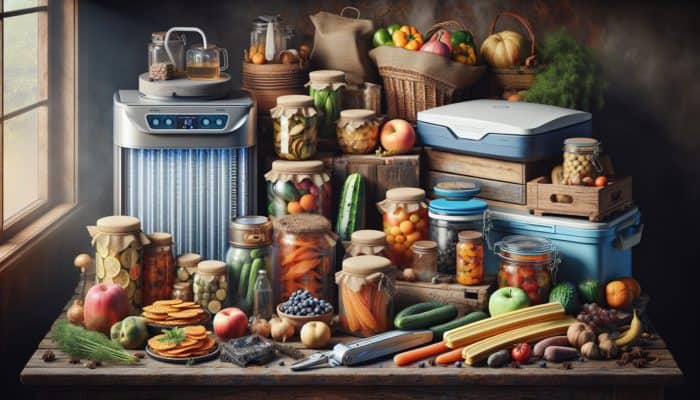
The fundamental tools for food preservation encompass a wide range of devices and techniques designed to extend the shelf life of food while ensuring its quality and safety. These tools can range from basic kitchen gadgets to sophisticated technological systems. Whether you’re a home cook looking to extend the lifespan of seasonal fruits and vegetables or a commercial business aiming to reduce waste, these tools are essential for efficient food management. Not only does effective food preservation safeguard against spoilage, but it also elevates flavors and nutritional content, making it a vital practice on a global scale.
The increasing interest in food preservation tools has become markedly apparent, especially as the awareness of food waste continues to rise. By utilizing various preservation techniques, you can ensure that food remains safe, nutritious, and palatable long after its harvest. Methods like canning, dehydration, vacuum sealing, and fermentation cater to distinct preservation needs, providing a multitude of solutions for both home cooks and food industry professionals alike.
Exploring the Rich History of Food Preservation Practices
The narrative of food preservation is a fascinating tribute to human ingenuity and adaptability, tracing back thousands of years. Early societies relied on basic techniques such as salting, drying, and smoking to prolong the lifespan of perishable food items. For instance, ancient Egyptians employed salting techniques to preserve fish and meats, while Native Americans dehydrated fruits and vegetables to withstand the severity of winter. This foundational knowledge laid the groundwork for the sophisticated preservation methods we utilize today.
As civilizations progressed, food preservation techniques evolved alongside them. The invention of refrigeration in the 19th century marked a significant turning point, leading to the development of modern preservation methods. The introduction of canning in the early 1800s allowed for food storage without the need for refrigeration, while subsequent innovations such as vacuum sealing and freeze-drying revolutionized food storage and consumption. This rich historical context underscores how cultural practices, technological advancements, and the quest for food security have shaped the evolution of the food preservation tools we rely on today.
Why Is Food Preservation Essential for Sustainable Living?
The significance of food preservation cannot be overstated; it fulfills multiple critical roles across various sectors, from individual households to large-scale food production systems. By effectively preserving food, we can drastically lower waste levels, ensuring that less food is discarded and more is utilized. This is especially crucial in a world where food scarcity remains a pressing global issue. Moreover, food preservation enables the availability of seasonal products year-round, enhancing culinary diversity and providing consumers with a wider selection of choices.
Beyond the reduction of waste, food preservation is instrumental in maintaining nutritional value. Proper preservation methods can effectively lock in essential vitamins and minerals, ensuring that food continues to provide health benefits. This aspect is particularly vital in areas where access to fresh produce may be limited or during off-seasons. Ultimately, the tools for food preservation play a pivotal role in bolstering food security, promoting sustainability, and enhancing public health, making them indispensable in our daily lives and within the broader food industry.
Diverse Array of Food Preservation Tools Available
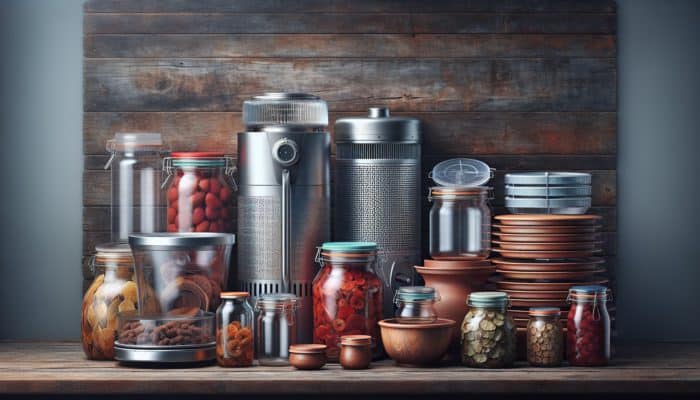
Must-Have Equipment for Effective Canning Practices
Canning equipment is vital for securely sealing food in jars to maintain its freshness and flavor. This method is especially popular for preserving fruits, vegetables, and meats, enabling you to enjoy the taste of seasonal produce throughout the year. Essential components of canning equipment include:
- Glass jars
- Lids and bands
- Pressure canners
- Water bath canners
- Canning funnel
- Jar lifter
- Bubble mover or debubbling tool
- Magnetic lid lifter
Using these tools guarantees that food is sealed properly, significantly reducing the risk of spoilage. Glass jars are favored due to their non-reactive properties and their ability to showcase the preserved contents, while lids and bands create a necessary airtight seal that is crucial for preventing contamination.
Pressure canners are essential for safely preserving low-acid foods, such as vegetables and meats, since they reach temperatures that exceed those of water bath canning. This capability is vital for eliminating harmful bacteria and ensuring the food is safe for consumption. On the other hand, water bath canning is most effective for high-acid foods like fruits and pickles. Emphasizing the importance of following safe canning practices and guidelines is vital to avoid foodborne illnesses, making familiarity with this equipment critical for successful preservation endeavors.
Maximizing the Benefits of Dehydrators for Food Preservation
Dehydrators are specialized appliances designed to remove moisture from food, effectively curbing bacterial growth and extending shelf life. This method is especially popular for fruits, vegetables, and meats, transforming them into nutritious snacks like jerky and dried fruits. The dehydration process enhances flavors while preserving vital nutrients, making it an attractive option for those interested in long-term food storage.
When using a dehydrator, food is arranged evenly on trays, and the temperature and time settings are adjusted based on the specific food type being preserved. For example, fruits such as apples and bananas can be dehydrated at lower temperatures, whereas meats require higher settings to ensure safety. The versatility of dehydrators allows for countless culinary applications, from making fruit leathers to preserving herbs.
Additionally, dehydration is an energy-efficient food preservation method compared to traditional canning or freezing, as it consumes less energy over time. Globally, individuals who practice dehydration often live in off-grid settings or rural areas, making it a sustainable choice for food management. The user-friendliness and efficiency of dehydrators have made them increasingly popular among home cooks and outdoor enthusiasts alike.
Leveraging the Versatility of Vacuum Sealers in Food Preservation
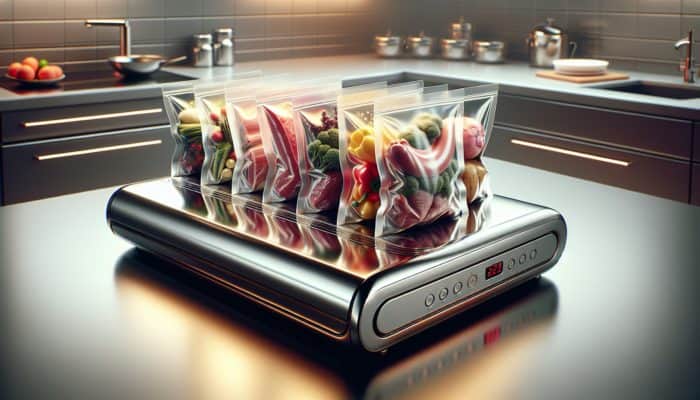
Vacuum sealers are innovative tools that remove air from bags or containers, significantly extending the shelf life of food by preventing oxidation and bacterial growth. This method is highly versatile, suitable for both dry and moist foods, and is essential for anyone aiming to minimize food waste and optimize storage solutions. The vacuum sealing process entails placing food in specially designed bags, vacuuming out the air, and sealing it tightly to create an airtight environment.
The advantages of vacuum sealing are extensive. For instance, it keeps food fresh for longer periods compared to conventional storage methods, which can often lead to quicker spoilage. Additionally, vacuum-sealed food takes up less space in the refrigerator or freezer, facilitating better organization and storage. This method is especially beneficial for meat, fish, and prepared meals, enabling bulk cooking and freezing portions for future use.
Moreover, vacuum sealing proves advantageous for sous vide cooking, where food is cooked in a water bath at precise temperatures. The vacuum-sealed bags support even cooking and enhance flavors, making it a favorite among culinary enthusiasts. By incorporating vacuum sealing into your preservation strategy, you can enjoy fresher, tastier meals while effectively managing your food supply, making it an essential tool in kitchens across the globe.
Uncovering the Advantages of Fermentation Kits for Food Preservation
Fermentation kits provide essential tools for preserving foods through controlled microbial growth, thereby enhancing their flavor and nutritional profile. Commonly used for vegetables and fruits, these kits typically include jars, airlocks, and weights to create the ideal fermentation environment. Fermentation is a traditional method that not only preserves food but also introduces beneficial probiotics, which can improve gut health.
One of the main benefits of using fermentation kits is the ability to develop unique flavors and textures in your food. For instance, sauerkraut and kimchi are popular fermented foods that acquire complex tastes through the fermentation process. The incorporation of airlocks in fermentation kits allows gases produced during fermentation to escape while preventing oxygen from entering, which is critical for successful fermentation and mold prevention.
Furthermore, fermenting food at home represents a sustainable practice that reduces food waste by utilizing surplus produce. This is especially relevant in regions where a bountiful harvest results in an excess of fruits and vegetables. By employing fermentation kits, individuals can transform these surpluses into delicious and nutritious foods that can be enjoyed throughout the year. Additionally, the growing focus on gut health has sparked a resurgence in home fermentation, making these kits invaluable tools in modern kitchens.
Insights from Experts on Essential Food Preservation Tools
What Are the Latest Innovations in Food Preservation Technology?
Recent advancements in food preservation have ushered in a new era of efficiency and effectiveness. Among the notable innovations are smart preservation systems that utilize IoT technology to monitor food conditions. These systems can track temperature, humidity, and even the ripeness of produce, alerting users when adjustments are necessary to maintain optimal storage conditions. For example, smart refrigerators can now notify users when fruits and vegetables are nearing spoilage, enabling proactive consumption or preservation strategies.
Another exciting development is ultrasonic food preservation, which employs sound waves to inhibit bacterial growth without compromising food quality. This method is gaining popularity for its potential to extend the shelf life of fresh produce by preserving its texture and flavor while minimizing the need for preservatives. Real-world applications of ultrasonic preservation are currently being tested in food processing facilities, demonstrating its effectiveness in maintaining quality during storage.
Additionally, advancements in packaging materials have led to the creation of active packaging that can absorb moisture or release preservatives as necessary. These innovations not only enhance the longevity of food products but also contribute to sustainability by minimizing waste. As the food industry continues to evolve, these cutting-edge technologies are establishing new standards in food preservation, addressing the challenges of food safety and quality on a global scale.
How Can You Optimize the Use of Food Preservation Tools?
Optimizing the use of food preservation tools depends on understanding the specific requirements of various foods and selecting the appropriate preservation method. Each food type has unique characteristics that require tailored techniques for optimal preservation. For example, when canning, it is critical to adhere to tested recipes and methods to ensure safety, particularly when dealing with low-acid foods that necessitate pressure canning.
To maximize the effectiveness of preservation tools, consider these actionable steps:
– Assess the type of food you plan to preserve and its specific needs, including acidity and moisture content.
– Follow best practices for each method, such as sterilizing equipment and sealing containers correctly.
– Regularly check stored foods for signs of spoilage or compromise, and consume them within recommended time frames.
– Stay informed about the latest techniques and innovations in food preservation to enhance your skills and results.
By mastering the correct techniques and being attentive to the characteristics of different foods, you can significantly prolong their shelf life while preserving their quality. This knowledge empowers both individuals and businesses to reduce waste and optimize their food resources, ensuring that nothing goes to waste.
What Expert Insights Are Available Regarding Food Preservation Tools?
Experts in the field of food preservation emphasize the critical importance of selecting the right tool for the specific type of food being preserved. The choice of preservation method can significantly affect the quality, safety, and longevity of the food. For instance, while vacuum sealing excels for meats, it may not be as effective for certain fruits, which could necessitate using techniques like canning or dehydration to preserve their texture and flavor.
In addition to tool selection, regular maintenance of preservation equipment is vital to ensure longevity and effectiveness. Experts recommend conducting routine checks on equipment like dehydrators and canners, cleaning them thoroughly after each use, and replacing any worn components. This proactive approach not only enhances the performance of the tools but also ensures food safety by preventing contamination.
Finally, remaining informed about emerging trends and technologies in food preservation is crucial for both home cooks and industry professionals. As new methods and tools become available, adapting to these innovations can enhance efficiency and outcomes in food preservation efforts. By following expert guidance and continually refining your preservation skills, you can establish a reliable practice that maximizes the quality and safety of the food you consume.
Key Advantages of Food Preservation Tools
What Health Benefits Are Associated with Consuming Preserved Foods?
Preserved foods can provide numerous health benefits, particularly when processed correctly. One of the primary advantages is the retention of essential nutrients, crucial for maintaining a balanced diet. When preservation methods such as canning, freezing, or dehydrating are employed properly, they can help keep vitamins and minerals intact. For example, flash-freezing vegetables right after harvest can lock in nutrients, making them a valuable addition to meals year-round.
In addition to nutrient retention, certain methods—such as fermentation—introduce beneficial probiotics that promote gut health. Fermented foods like yogurt, kimchi, and sauerkraut not only enhance flavor but also contribute to improved digestion and overall wellness. The expanding field of nutritional science continues to reveal the myriad ways that preserved foods can positively impact health, reinforcing the importance of employing effective preservation techniques.
Moreover, preserved foods allow for greater control over ingredients, enabling individuals to avoid additives and preservatives often found in store-bought products. By preserving food at home, you can ensure that your meals remain free from unnecessary chemicals, promoting a healthier lifestyle. These health benefits underscore the significance of food preservation tools in modern nutrition, offering options that are both practical and health-conscious.
Understanding the Environmental Benefits of Food Preservation
Food preservation tools play a crucial role in reducing the environmental impact of food production by significantly mitigating food waste. It is estimated that nearly one-third of all food produced globally is wasted, contributing to greenhouse gas emissions and environmental degradation. By employing preservation methods, individuals and businesses can extend the life of excess food, diverting it from landfills and minimizing the ecological footprint associated with food disposal.
Additionally, food preservation encourages a more sustainable approach to consumption. For example, canning and freezing surplus produce not only lessens waste but also promotes the practice of growing and consuming local, seasonal foods. This strategy supports local agriculture and reduces the carbon emissions associated with transporting food over long distances. Furthermore, by decreasing reliance on processed foods, preserved items promote a return to traditional cooking methods, fostering a deeper connection to food sources.
In regions where food insecurity is prevalent, effective preservation techniques can enhance food availability, contributing to sustainability efforts. By ensuring that excess food is utilized instead of discarded, communities can strengthen their food security and resilience in the face of challenges such as climate change and economic fluctuations. The environmental impact of food preservation tools transcends individual practices; it shapes broader sustainability efforts and encourages responsible food management on a global scale.
Exploring the Economic Benefits of Food Preservation
The economic advantages of utilizing food preservation tools are significant for both households and businesses. By effectively preserving food, individuals can lower their grocery bills and decrease the frequency of purchases. This becomes particularly beneficial during times of rising food prices or seasonal shortages, allowing consumers to stock up on seasonal produce and enjoy it long after the harvest.
For businesses, effective food preservation can lead to improved profit margins by extending the shelf life of products and minimizing spoilage. Restaurants and food manufacturers that adopt preservation methods can optimize their inventory management, ensuring that ingredients remain fresh and usable for longer periods. This approach not only enhances profitability but also contributes to sustainability by reducing waste within the food supply chain.
Additionally, preserved food items often command a higher market price, particularly those produced using artisanal methods or organic ingredients. By capitalizing on consumer interest in homemade, locally sourced, and health-conscious products, entrepreneurs can leverage food preservation as a pathway for economic growth. Overall, the economic benefits of food preservation tools extend beyond individual savings, influencing community sustainability and the broader food economy.
Understanding the Principles of Food Preservation Tools
Fundamentals of Effective Food Preservation Techniques
Food preservation tools operate based on essential principles aimed at inhibiting the growth of bacteria and other spoilage agents, thereby prolonging the shelf life of food. The primary factors controlled during preservation involve temperature, moisture, and oxygen levels. Each of these elements plays a pivotal role in determining how long food remains safe and palatable.
Temperature control is critical, as various preservation methods require specific temperature ranges to be effective. For example, freezing halts microbial activity, while high-temperature canning eliminates harmful bacteria. Moisture control is equally important, as excess moisture creates an environment conducive to mold and bacterial growth. Techniques like dehydration remove moisture, significantly prolonging shelf life. In the case of oxygen, methods such as vacuum sealing work to eliminate air exposure, preventing oxidation and spoilage. By mastering these principles, individuals can effectively utilize a variety of tools to achieve optimal preservation outcomes.
Moreover, understanding these principles empowers individuals to make more informed decisions regarding which method to employ for different food types. For instance, knowing that high-acid foods can be safely canned using a water bath method, while low-acid foods require pressure canning, helps ensure effective preservation. By intelligently applying the principles of food preservation, individuals can maximize the effectiveness of their tools and improve overall food safety.
What Is the Impact of Temperature on Food Preservation Techniques?
Temperature control is a critical element of food preservation, as it directly influences the safety and longevity of preserved foods. Different preservation methods utilize specific temperature ranges to achieve optimal results. For instance, freezing food at temperatures below 0°F (-18°C) effectively halts microbial activity, preventing spoilage and nutrient loss. This is essential for maintaining the quality of meats, vegetables, and fruits.
Conversely, methods like canning require precise temperature regulation to eliminate harmful bacteria. Pressure canning is particularly significant for low-acid foods, as it reaches temperatures above boiling water to ensure that potential pathogens are destroyed. This process is crucial for foods such as vegetables, meats, and soups, which, if inadequately processed, may result in foodborne illnesses.
Understanding the role of temperature in food preservation also extends to fermentation, where specific temperature ranges promote beneficial microbes while inhibiting spoilage bacteria. This delicate balance underscores the importance of temperature control in achieving successful fermentation results. By mastering the role of temperature, individuals can harness its power to enhance food safety and quality across various preservation methods.
How Does Moisture Control Influence Food Preservation Methods?
Moisture control is a vital factor in food preservation, as excessive moisture creates an environment conducive to mold and bacterial growth. Techniques like dehydration and vacuum sealing specifically target moisture levels to extend shelf life. Dehydrators work by removing moisture from fruits, vegetables, and meats, thereby preventing bacterial growth and allowing foods to be stored for prolonged periods without spoilage.
In vacuum sealing, the removal of air is essential not only for preventing oxidation but also for managing moisture levels. By sealing food in airtight bags, moisture is retained, preventing it from interacting with outside air that could lead to spoilage. This aspect is particularly beneficial for high-moisture foods like fish and meats, which can deteriorate rapidly if not preserved properly.
Furthermore, understanding how moisture affects food preservation enables individuals to select the appropriate method for specific foods. For instance, high-moisture foods such as cucumbers are best preserved through pickling or fermentation, while low-moisture foods can be effectively dehydrated. By controlling moisture levels, you can significantly enhance the effectiveness of your preservation efforts, ensuring that food remains safe and enjoyable for extended periods.
How Does Oxygen Control Impact Food Preservation?
Oxygen control is a crucial aspect of food preservation, as exposure to oxygen can lead to oxidation, spoilage, and the degradation of food quality. Many preservation methods aim to limit oxygen exposure to extend shelf life and maintain freshness. Vacuum packing is one of the most effective techniques for achieving this, as it removes air from bags or containers, creating an airtight seal that prevents spoilage.
In addition to vacuum sealing, utilizing oxygen absorbers in packaging can further enhance preservation by actively removing residual oxygen. This approach is particularly beneficial for dry foods like grains, nuts, and snacks, as it can significantly prolong their shelf life and uphold their quality. By reducing available oxygen, these methods prevent the rancidity of fats and oils, ensuring that foods remain flavorful and nutritious.
Recognizing the importance of oxygen control allows individuals to make informed decisions regarding food storage. For example, storing oils and nuts in vacuum-sealed containers can prevent spoilage and preserve their flavor over time. By effectively managing oxygen levels, you can improve the overall effectiveness of your food preservation efforts, ensuring that your preserved foods remain safe and delightful.
Proper Maintenance and Care for Food Preservation Equipment
Cleaning and Sanitizing Your Food Preservation Tools
Routine cleaning and sanitizing of food preservation tools are essential practices to prevent contamination and ensure food safety. Proper maintenance not only extends the lifespan of your equipment but also safeguards the quality of the food being preserved. For canning equipment, thoroughly cleaning jars, lids, and utensils before use is crucial. This cleaning process typically involves washing with hot, soapy water and rinsing thoroughly. Some preservation enthusiasts choose to sterilize jars and lids in boiling water for added safety.
For dehydrators and vacuum sealers, regular cleaning is equally vital. Removing food particles and residues from trays and components helps prevent cross-contamination and maintains the efficiency of the equipment. Use a damp cloth or sponge to wipe down surfaces and ensure that no food debris remains. Additionally, routinely checking for signs of wear or damage is essential, as faulty equipment can compromise food safety and preservation effectiveness.
By incorporating cleaning and sanitizing into your regular maintenance routine, you can ensure that your food preservation tools function optimally. This diligence not only contributes to successful preservation outcomes but also fosters a culture of food safety in your kitchen or food processing environment, building trust in the preservation processes you utilize.
What Common Problems Occur with Food Preservation Equipment?
Common issues with food preservation equipment can hinder their effectiveness and jeopardize food safety. Equipment malfunctions, such as failure to seal properly or inconsistent temperatures, can lead to spoilage and waste. For example, vacuum sealers may struggle to create an airtight seal if bags are not aligned correctly or if the machine is dirty. Regular maintenance and inspection of equipment can help identify and resolve these issues before they compromise food quality.
Another frequent problem is improper sealing during canning processes. If jars are not filled correctly or lids are inadequately sealed, this can lead to the growth of harmful bacteria, such as botulism. Following proper canning guidelines and routinely checking the integrity of seals can help prevent these dangerous situations. Additionally, wear and tear on preservation equipment can affect performance, making it essential to replace worn-out parts or invest in new tools when necessary.
By proactively identifying and addressing these common issues, individuals can enhance the longevity and effectiveness of their food preservation tools. This vigilance not only protects the quality of preserved foods but also ensures safety and reliability, making the preservation process more enjoyable and successful.
How to Properly Store Your Food Preservation Tools
Proper storage of food preservation tools is vital for maintaining their functionality and preventing contamination. Store canning equipment in a clean, dry area, ensuring that jars and lids are protected from dust and moisture. It is advisable to keep jars upright to avoid accidental breakage and ensure that lids remain in optimal condition. Utilizing designated storage bins or shelves can help keep equipment organized and easily accessible.
For dehydrators and vacuum sealers, storage should prioritize cleanliness and protection from environmental factors. Ensure that these tools are thoroughly cleaned and dried before storing them to avoid mold or bacteria buildup. Consider using dust covers or storage bags to shield these appliances from dust and potential damage during periods of non-use. Additionally, keeping user manuals and maintenance guides with the stored equipment can facilitate easy reference and ensure that best practices are followed when utilizing the tools again.
By implementing proper storage practices, you can significantly extend the lifespan of your food preservation tools and ensure that they remain in optimal condition for future use. This attention to detail not only enhances the effectiveness of your preservation efforts but also fosters a well-organized and efficient food management system in your kitchen.
Emerging Trends in Food Preservation Technology
Innovations Transforming Food Preservation Methods
Emerging technologies are poised to revolutionize food preservation, introducing innovative solutions that enhance shelf life while preserving food quality. One area of significant advancement is nanotechnology, which employs nanomaterials to develop active packaging systems capable of sensing and responding to changes in food conditions. These smart packaging solutions can extend shelf life by releasing preservatives or absorbing excess moisture or oxygen, representing a considerable leap forward in food preservation techniques.
High-pressure processing (HPP) is another cutting-edge method gaining traction in the food industry. This technology subjects food to high pressure, effectively eliminating harmful bacteria without the need for heat, thus preserving the food’s original texture and flavor. HPP has already been adopted for various products, including juices, ready-to-eat meals, and deli meats, showcasing its potential to broaden food preservation options.
Furthermore, the integration of artificial intelligence (AI) into food preservation systems is becoming increasingly common. Smart refrigerators equipped with AI capabilities can monitor food expiration dates, suggest recipes based on available ingredients, and alert users to possible spoilage. These advancements not only improve convenience but also promote more sustainable practices by minimizing food waste. As these technologies continue to develop, they will empower both consumers and food industry professionals to adopt more effective and innovative approaches to food preservation.
What Potential Impacts Do New Preservation Methods Have?
New preservation methods have the capacity to significantly influence food waste reduction, enhance food safety, and promote sustainability throughout the food supply chain. By utilizing advanced techniques such as HPP and smart packaging, food producers can minimize spoilage and extend the shelf life of perishable items, ultimately leading to less food waste. This is especially vital in a world confronting hunger and food insecurity, where every morsel counts.
Moreover, these innovations can enhance food safety by effectively eliminating harmful pathogens without compromising nutritional quality. For instance, HPP has been shown to maintain the integrity of flavors and textures while ensuring that food is safe for consumption. As awareness of food safety risks continues to rise, consumers are increasingly seeking products that utilize these advanced preservation methods.
The shift towards more sustainable food practices is another significant consequence of new preservation methods. By reducing waste and optimizing food supply chains, these technologies contribute to lower carbon footprints and lessen the environmental strain associated with food production. As consumers become more environmentally conscious, the demand for products employing innovative preservation techniques is likely to increase, influencing industry practices and consumer behavior on a global scale.
Consumer Trends Influencing Food Preservation Practices
Consumer trends are shaping the landscape of food preservation, with an increasing focus on sustainability, health, and convenience. As awareness of food waste and its environmental repercussions grows, consumers are actively seeking methods to minimize waste and adopt more sustainable practices. This has led to a revival in home canning, dehydrating, and fermenting as individuals take charge of their food management and reduce waste.
Health-conscious consumers are also driving interest in natural preservation methods that avoid synthetic additives and preservatives. The popularity of fermented foods, rich in probiotics, exemplifies this trend, as more individuals recognize the health benefits associated with these products. Consequently, food preservation tools that facilitate natural techniques are experiencing heightened demand.
Additionally, the convenience factor cannot be overlooked. With busy lifestyles becoming the norm, consumers are drawn to easy-to-use preservation tools that allow them to manage their food supply efficiently. Products featuring smart technologies, such as vacuum sealers with built-in sensors or dehydrators with programmable settings, are particularly appealing to this demographic. As consumer preferences continue to evolve, the food preservation industry will need to adapt, fostering innovation and addressing the changing needs of a global market.
Your Questions Answered: Frequently Asked Questions About Food Preservation
What Are the Most Common Methods for Preserving Food?
The most prevalent methods for preserving food include canning, freezing, dehydrating, fermentation, and vacuum sealing. Each method serves distinct needs and is suitable for various types of food.
How Long Can Preserved Food Be Stored?
The shelf life of preserved food varies based on the method and type. For instance, canned goods can last for several years, while dehydrated fruits may last up to a year or more when stored properly.
Is Home Canning a Safe Practice?
Yes, home canning is safe when following appropriate guidelines and using tested recipes. Utilizing suitable equipment and techniques minimizes the risk of contamination and spoilage.
Can I Vacuum Seal Liquids?
Vacuum sealing liquids can be challenging but is achievable by using specialized vacuum bags and techniques, such as freezing liquids before sealing to prevent spills.
What Is the Recommended Storage Method for Dehydrated Foods?
Dehydrated foods should be stored in airtight containers in a cool, dark location to maintain quality and extend their shelf life.
Are Fermented Foods Beneficial for Health?
Absolutely, fermented foods are rich in probiotics, which can promote gut health, enhance digestion, and improve overall wellness.
What Is the Difference Between Pressure Canning and Water Bath Canning?
Pressure canning is utilized for low-acid foods and achieves higher temperatures to eradicate harmful bacteria, while water bath canning is suitable for high-acid foods such as fruits and pickles.
How Can I Identify Spoiled Canned Food?
Indicators of spoiled canned food include bulging lids, leaks, off odors, or discoloration. If any of these signs are present, it is best to discard the can.
Can I Reuse Canning Jars and Lids?
Canning jars can be reused if they are in good condition, but lids should not be reused due to the risk of improper sealing and contamination.
What Tools Are Essential for Home Food Preservation?
Essential tools for home food preservation include canning jars, lids, pressure canner, dehydrator, vacuum sealer, and fermentation kit, depending on the methods you choose to implement.
Join us on X for more insights!
The post Food Preservation Tools: Essential Techniques and Equipment appeared first on Survival Bite.
The Article Essential Techniques and Equipment for Food Preservation Tools Was Found On https://limitsofstrategy.com