Discover the Vital Role of Essential Amino Acids in Your Health
What Are Essential Amino Acids and Why Are They Indispensable for Your Overall Health?
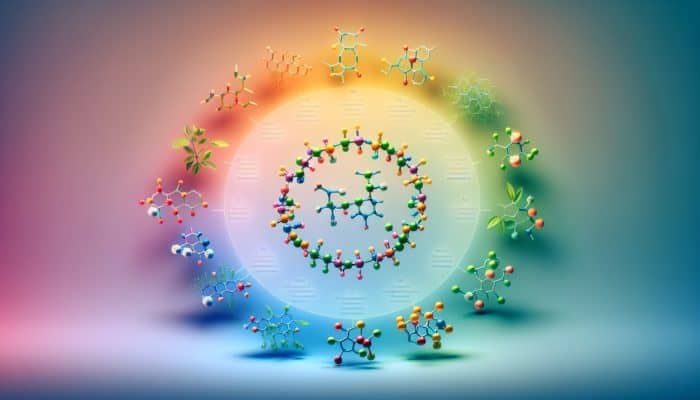
Essential amino acids represent fundamental components of proteins that your body cannot produce on its own, necessitating their acquisition through a well-balanced diet. These crucial compounds are integral for a variety of physiological functions, including protein synthesis, metabolism, and the continual upkeep of cellular health. The human body relies on nine essential amino acids for optimal functioning:
- Histidine
- Isoleucine
- Leucine
- Lysine
- Methionine
- Phenylalanine
- Threonine
- Tryptophan
- Valine
Each of these amino acids serves a unique function, contributing to the intricate web of biochemical reactions that sustain life. For instance, leucine plays a crucial role in muscle repair and growth, while tryptophan is essential for synthesizing serotonin, a neurotransmitter that significantly influences mood and sleep patterns.
How Essential Amino Acids Enhance Recovery and Repair Mechanisms
The importance of essential amino acids in recovery is both extensive and complex. During physical exertion or stressful circumstances, muscle microtears occur, necessitating repair and regeneration. Essential amino acids are critical in this healing process, enabling the body to effectively repair and regenerate muscle tissue. They also boost immune function, which can be undermined during intense physical activity or illness. A strong immune response is vital for maintaining health, especially for athletes or individuals recuperating from injuries or surgeries.
In addition to their role in muscle recovery, these amino acids improve overall well-being by enhancing metabolic functions necessary for energy production and sustaining physiological balance. For those engaged in demanding training regimes or recovering from health issues, it is crucial to ensure a sufficient intake of essential amino acids in their diets to optimize recovery and support long-term health.
Where Can You Discover Essential Amino Acids in Your Everyday Diet?
To fulfill the body’s requirements for essential amino acids, individuals can select from a variety of food sources. Animal-derived products are abundant in these amino acids. For example, lean meats, poultry, fish, eggs, and dairy items like yogurt and cheese offer complete protein profiles. These sources guarantee that all essential amino acids are consumed together, thus promoting optimal absorption and utilization within the body.
Conversely, plant-based sources can also provide essential amino acids, although they may not always contain all nine in adequate amounts. Foods like quinoa, soy, chia seeds, and hemp seeds are excellent for delivering complete proteins. Additionally, combining different plant-based foods can enhance amino acid profiles—for instance, pairing legumes with whole grains. This approach ensures that individuals adhering to vegetarian or vegan diets can sufficiently meet their amino acid requirements.
What Are the Recommended Daily Intake Levels for Essential Amino Acids?

Daily needs for essential amino acids can vary greatly based on factors such as age, gender, body composition, and activity level. Generally, adults may require higher intake during intense training or recovery phases. The Recommended Dietary Allowances (RDAs) provide baseline guidelines; however, individual needs can differ significantly. For instance, athletes may benefit from increased protein and amino acid consumption to support muscle growth and enhance recovery.
Grasping one’s specific requirements can lead to more effective dietary planning and supplementation strategies. Active individuals should strive for a higher intake of protein-rich foods or supplements to ensure optimal recovery. A well-rounded diet that incorporates a variety of sources will help maintain adequate levels of essential amino acids, promoting overall health and effective recovery.
How Do Essential Amino Acids Drive Recovery Processes?
What Processes Underpin the Recovery Advantages of Amino Acids?
Essential amino acids play a crucial role in triggering protein synthesis, an essential process for muscle repair and growth. During workouts, muscles undergo stress that results in their breakdown; amino acids act as the fundamental building blocks required for repairing this damage. This process not only aids in restoring muscle fibers but also enhances future performance by increasing muscle mass and strength.
Furthermore, essential amino acids have been shown to reduce muscle breakdown effectively. They provide the necessary substrates needed for synthesizing new proteins while simultaneously inhibiting pathways that lead to muscle degradation. This dual action facilitates efficient recovery after exercise, minimizing muscle soreness and enabling a quicker return to training activities.
Additionally, the intake of essential amino acids can influence hormonal responses favorable for recovery. The anabolic effects of these amino acids promote not just muscle health but also enhance metabolic efficiency, contributing to improved overall physical performance.
What Contribution Do Essential Amino Acids Make to Muscle Repair Processes?
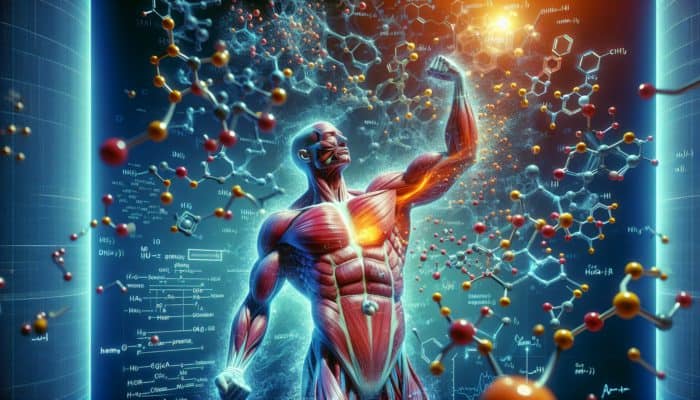
The significance of essential amino acids in muscle repair is paramount. After exercise, especially resistance training, the body enters a phase where muscle fibers experience damage and require reconstruction. Essential amino acids, particularly leucine, are vital for stimulating muscle protein synthesis, enabling the body to repair and strengthen muscle tissue.
Biochemically, this process involves a series of intricate steps. Upon ingestion, essential amino acids enter the bloodstream and are transported to muscle tissues. Here, they activate the mTOR (mechanistic target of rapamycin) pathway, a key regulator of cellular growth and muscle protein synthesis. This activation leads to the production of new muscle proteins, effectively repairing damaged fibers and promoting muscle hypertrophy.
Moreover, insufficient intake of essential amino acids hinders the body’s ability to efficiently rebuild muscle tissue, which can lead to prolonged soreness and delayed recovery times. Therefore, it is crucial for individuals, particularly athletes, to ensure they consume adequate amounts of these amino acids post-exercise to optimize recovery outcomes.
How Do Essential Amino Acids Enhance Immune Function?
Essential amino acids are crucial for maintaining a robust immune system, particularly during recovery phases. They contribute to the production of antibodies and immune cells, which are vital for combating infections and facilitating healing after injury or illness. The immune system heavily relies on various proteins, many of which are constructed from amino acids.
During physical stress, such as rigorous training or recovery from illness, the body’s demand for these amino acids increases. Adequate intake can enhance the synthesis of immunoglobulins, which are antibodies that play a vital role in the body’s defense against pathogens. Furthermore, specific amino acids, like glutamine, are known to nourish immune cells, boosting their functionality during times of heightened need.
Consequently, individuals who neglect their amino acid intake may suffer from compromised immune function, increasing their vulnerability to illnesses. Thus, maintaining a diet rich in essential amino acids is essential for promoting immune health, particularly among those recovering from physical stressors.
Expert Advice on Utilizing Essential Amino Acids for Superior Recovery
Practical Applications of Essential Amino Acids in Recovery Scenarios
The real-world applications of essential amino acids underscore their effectiveness across various recovery situations. Athletes and fitness enthusiasts often include these supplements in their recovery routines, yielding positive results. For instance, a group of marathon runners reported markedly reduced muscle soreness and improved recovery times after integrating essential amino acid supplementation post-race.
- A professional weightlifter incorporated essential amino acids during a demanding training cycle, resulting in improved muscle recovery and strength gains.
- A triathlete noted quicker recovery and reduced fatigue after utilizing branched-chain amino acids (BCAAs) both before and after workouts.
- A soccer player recovering from an injury discovered that essential amino acids facilitated faster tissue repair and a swifter return to play.
- A coach implemented amino acid supplementation into his athletes’ diets, leading to overall performance enhancements and fewer injuries during training sessions.
These testimonials illustrate how essential amino acids can deliver tangible benefits in both competitive and recreational contexts. They represent an effective strategy for optimizing recovery and enhancing athletic performance, emphasizing the necessity of integrating these compounds into dietary or supplementation plans.
Strategic Steps for Maximizing Your Essential Amino Acid Intake
To fully harness the advantages of essential amino acids for recovery, individuals should consider several strategic approaches regarding timing, dosage, and dietary sources. Consuming essential amino acids around the time of exercise—both before and after workouts—can significantly enhance recovery outcomes. For example, a dosage of 10-20 grams of essential amino acids post-exercise has been shown to effectively stimulate muscle protein synthesis.
Moreover, prioritizing a variety of dietary sources is vital to ensure that one meets their essential amino acid requirements. Including an assortment of protein-rich foods, such as lean meats, dairy products, and plant-based options, can help achieve a balanced intake. Meal planning that incorporates snacks high in essential amino acids, like Greek yogurt or protein bars, can also prove beneficial.
Finally, staying well-hydrated and maintaining a comprehensive diet rich in vitamins and minerals is crucial to support the entire recovery process. Pairing essential amino acids with carbohydrates post-exercise can improve their absorption, further enhancing effective recovery.
Expert Insights on Comprehensive Recovery Strategies
Experts emphasize the importance of integrating essential amino acids into holistic recovery strategies that encompass multiple facets of healing and performance enhancement. Combining amino acid supplementation with proper hydration, nutrition, and rest creates synergistic effects that can significantly hasten recovery.
Incorporating essential amino acids alongside other recovery techniques—such as stretching, foam rolling, and ensuring adequate sleep—fosters a comprehensive approach to recovery. This multifaceted strategy addresses not only muscle repair but also overall physical and mental well-being.
Additionally, experts recommend customizing recovery protocols based on individual goals and fitness levels. For athletes, a periodized approach to amino acid intake—adjusting dosages according to training cycles—can optimize performance and recovery results. Such personalized strategies enhance the effectiveness of recovery efforts, ensuring athletes can perform at their best while minimizing injury risks.
Understanding the Integral Role of Essential Amino Acids in Muscle Repair
Essential amino acids are indispensable in the complex process of muscle repair. When muscles incur damage during exercise, the body initiates a repair mechanism that necessitates essential amino acids to restore and fortify muscle fibers. This process is significantly influenced by specific amino acids, particularly leucine, which is crucial for activating signaling pathways that promote muscle protein synthesis.
At the biochemical level, upon ingestion, essential amino acids are metabolized and delivered to muscle tissues, where they stimulate the activation of mTOR, a key regulator involved in muscle growth. This activation leads to the synthesis of new proteins necessary for repairing damaged muscle fibers. Additionally, essential amino acids help replenish energy stores and support muscle recovery by mitigating oxidative stress and inflammation triggered by exercise.
The significance of essential amino acids extends beyond immediate recovery; they also contribute to long-term muscle health and strength. Consistent intake promotes muscle hypertrophy, enhances endurance, and ultimately assists athletes in reaching their performance objectives.
Highlighting Scientific Research that Supports Amino Acid Utilization in Recovery
Recent studies have consistently underscored the vital role of essential amino acids in recovery. Numerous research efforts have revealed that athletes who supplement with essential amino acids experience reduced muscle soreness and faster recovery times compared to those who do not. For instance, a study indicated that athletes consuming a blend of essential amino acids experienced less delayed onset muscle soreness (DOMS) following intense training sessions.
Moreover, research emphasizes the effectiveness of amino acids in stimulating muscle protein synthesis. Clinical trials have demonstrated that optimal dosages of essential amino acids result in significant increases in muscle protein synthesis rates, facilitating recovery and growth. These findings carry substantial implications for the formulation of tailored recovery protocols, suggesting that integrating essential amino acids into post-exercise nutrition can greatly enhance recovery outcomes.
As research continues to progress, our understanding of the role essential amino acids play in recovery becomes increasingly sophisticated, solidifying their importance in athletic training and rehabilitation strategies.
When Is the Optimal Time for Consuming Essential Amino Acids?
What Are the Performance Benefits of Pre-Workout Supplementation?
Taking essential amino acids before a workout can substantially influence performance and recovery. By consuming essential amino acids prior to exercise, individuals can prepare their bodies for the physical challenges ahead, potentially enhancing endurance and minimizing muscle breakdown during workouts. This proactive strategy ensures that the body has an available supply of amino acids to support energy production and muscle function.
Research suggests that ingesting 5-10 grams of essential amino acids 30-60 minutes before exercising can provide essential support for improved performance. This timing can also help mitigate muscle damage, leading to quicker recovery after exercise. Athletes frequently report feeling more energetic and less fatigued when they have consumed amino acids prior to their training sessions, emphasizing the advantages of this practice.
Moreover, pre-workout supplementation can enhance mental focus and motivation, both crucial elements for maximizing workout effectiveness. By incorporating essential amino acids into their pre-workout regimen, individuals can set the stage for a productive and effective training session.
Why Is Post-Workout Recovery So Crucial?
The post-workout period is critical for recovery, and consuming essential amino acids during this time can significantly expedite muscle repair and regeneration. Following exercise, the body’s anabolic state is heightened, creating an optimal window to supply essential amino acids that contribute to muscle recovery. Consuming 10-20 grams of essential amino acids within 30 minutes post-exercise can optimize muscle protein synthesis and reduce soreness.
This timely intake not only facilitates muscle repair but also replenishes glycogen stores, crucial for restoring energy levels. Athletes often complement their essential amino acid intake with carbohydrates post-workout to further enhance recovery. This combination supports muscle rebuilding and aids in energy restoration, ensuring athletes are well-prepared for their next training session.
Additionally, the psychological benefits of post-workout nutrition should not be underestimated. Knowing they are actively supporting their recovery through nutrition can enhance athletes’ motivation and commitment to their training programs.
How Can Ongoing Support Be Provided Throughout the Day?
Regularly consuming essential amino acids throughout the day can offer continuous support for recovery processes, especially for those engaged in high physical demands or recovering from illness. Distributing amino acid intake across meals and snacks helps maintain a consistent supply of these essential nutrients, enhancing muscle recovery and overall health.
For individuals involved in intense training or facing stressors, incorporating essential amino acids into daily routines can facilitate ongoing recovery. This might include consuming protein-rich snacks like nuts, yogurt, or protein shakes between meals. Such habits ensure that the body is not deprived of essential nutrients throughout the day, thereby promoting sustained muscle repair and immune support.
Moreover, timing amino acid intake around meals can enhance overall protein utilization. Consuming essential amino acids before bedtime can also support overnight recovery, allowing the body to rebuild and repair while resting. By making essential amino acids a regular part of daily nutrition, individuals can optimize their recovery and enhance their physical performance.
Key Benefits of Essential Amino Acids in Recovery
How Do Essential Amino Acids Expedite Muscle Recovery?
Essential amino acids are fundamental in accelerating muscle recovery, particularly after intense physical exertion. By promoting protein synthesis, they aid in repairing muscle fibers that sustain damage during exercise, thereby reducing recovery time and soreness. This effect is particularly advantageous for athletes who regularly train, as it enables them to maintain performance levels without prolonged downtime.
The combination of essential amino acids not only hastens recovery but also contributes to muscle hypertrophy, enhancing overall muscle growth over time. Many athletes report experiencing quicker recovery periods and sustained performance levels when they include essential amino acids in their post-workout routines.
Additionally, the impact of essential amino acids on muscle recovery extends beyond physical restoration. Psychological factors, including reduced perceived exertion and quicker recovery times, can significantly influence an athlete’s motivation and ability to train consistently, ultimately leading to enhanced performance outcomes.
How Do Essential Amino Acids Influence Endurance Performance?
Essential amino acids play a crucial role in boosting endurance, making them an invaluable asset for athletes engaged in endurance sports. By supporting muscle function and reducing fatigue, essential amino acids can enhance overall performance during prolonged physical activities.
Research indicates that essential amino acids help delay the onset of fatigue by preserving muscle glycogen stores and enhancing energy production. This effect allows athletes to sustain higher intensity levels for longer durations, ultimately improving endurance performance.
Furthermore, the role of essential amino acids in aiding recovery after endurance events should not be overlooked. By minimizing muscle damage and soreness, athletes can recover more quickly, preparing themselves for future training sessions or competitions. This dual benefit of enhancing both performance and recovery underscores the significance of essential amino acids in endurance training.
How Do Essential Amino Acids Contribute to Overall Health?
The advantages of essential amino acids extend beyond muscle recovery; they play a significant role in overall health and wellness. Essential amino acids are critical in various biological processes, including hormone regulation, neurotransmitter production, and immune function.
By supporting neurotransmitter synthesis, essential amino acids can enhance mood and mental clarity, factors crucial during recovery phases. Maintaining a positive mental state fosters an environment conducive to healing, ultimately leading to better recovery outcomes.
In addition, essential amino acids strengthen immune function by supporting the production of antibodies and immune cells vital for defending the body against illness. This is particularly important for athletes or individuals recovering from injuries, as their immune systems may be compromised during intense training or healing processes.
Overall, incorporating essential amino acids into the diet not only supports muscle recovery but also promotes a holistic approach to health, ensuring individuals remain resilient and capable during recovery phases.
Enhancing Mental Focus and Mood Through Essential Amino Acids
Essential amino acids are crucial for synthesizing neurotransmitters, which are essential for maintaining mental focus and emotional well-being. The relationship between amino acids and neurotransmitter production underscores their importance not only for physical recovery but also for psychological health.
For instance, tryptophan, an essential amino acid, serves as a precursor to serotonin, a neurotransmitter that influences mood and cognitive function. Elevated serotonin levels are associated with improved mood and reduced feelings of anxiety and depression, making essential amino acids invaluable for mental health during recovery.
Moreover, maintaining mental clarity and focus can significantly impact an athlete’s performance, especially in high-pressure situations. Supplementing with essential amino acids can provide the necessary building blocks for neurotransmitter production, thereby enhancing cognitive function and emotional stability during recovery periods. This comprehensive approach to recovery ensures that individuals can perform optimally both physically and mentally.
How to Effectively Incorporate Essential Amino Acids into Your Nutrition
Identifying Dietary Sources and Meal Planning Strategies
Incorporating essential amino acids into your diet requires careful meal planning and an emphasis on protein-rich foods. Understanding which foods provide essential amino acids is vital for ensuring adequate intake. Animal-based sources like meat, fish, dairy, and eggs are excellent options, offering complete protein profiles. For those adhering to plant-based diets, foods such as quinoa, soy, and legumes can provide essential amino acids, especially when paired with grains.
Effective meal planning should prioritize a variety of these food sources throughout the day. For example, including eggs or yogurt for breakfast, a lean protein source like chicken or fish for lunch, and legumes or tofu for dinner can help diversify amino acid intake. Additionally, incorporating snacks rich in essential amino acids, like nuts or protein bars, can assist in meeting daily requirements.
By strategically planning meals and snacks, individuals can easily integrate essential amino acids into their diets, ensuring they effectively support recovery and overall health.
What Are the Optimal Food Combinations for Maximum Amino Acid Intake?
Combining different protein sources can ensure that individuals receive all essential amino acids required for optimal health. For instance, pairing legumes, which are often low in specific essential amino acids like methionine, with grains such as rice or quinoa can create a complete amino acid profile. This combination assists individuals, particularly those on vegetarian or vegan diets, in effectively meeting their amino acid needs.
Other effective combinations include:
- Peanut butter on whole-grain bread
- Hummus with pita bread
- Chickpeas with brown rice
- Quinoa salad with black beans
- Tofu stir-fry with assorted vegetables and brown rice
These combinations not only enhance amino acid profiles but also promote a balanced intake of other essential nutrients, supporting overall health and recovery. By being mindful of food combinations, individuals can optimize their diets for better health outcomes.
Exploring Supplementation Options for Essential Amino Acids
For those who find it challenging to meet their essential amino acid needs through diet alone, supplementation can offer a convenient solution. Choosing high-quality amino acid supplements can effectively support recovery, particularly for athletes or individuals with increased physical demands.
Common forms of amino acid supplements include branched-chain amino acids (BCAAs) and complete essential amino acid blends. BCAAs, consisting of leucine, isoleucine, and valine, are especially popular for their roles in muscle recovery and reducing exercise-induced fatigue. Comprehensive essential amino acid supplements provide all nine essential amino acids and can be beneficial for those looking to enhance muscle protein synthesis.
When selecting supplements, it is important to consider the following:
- Opt for reputable brands that offer third-party testing
- Assess dosage based on individual activity levels and requirements
- Evaluate the type of supplementation (powder, capsule, liquid)
- Consider taste and mixability for powders, if applicable
Incorporating high-quality supplements can enhance recovery, especially when dietary intake is insufficient or when individuals undergo intensive physical training.
Research-Driven Benefits of Essential Amino Acids for Enhanced Recovery
What Scientific Studies Highlight About Muscle Recovery?
Extensive research has established that essential amino acids can significantly improve muscle recovery after intense exercise. Studies indicate that athletes who consume essential amino acids experience less muscle soreness and quicker recovery times compared to those who do not supplement. For example, a study found that participants who ingested essential amino acids post-exercise exhibited a substantial reduction in delayed onset muscle soreness (DOMS) over a 48-hour period.
Furthermore, research suggests that essential amino acids stimulate muscle protein synthesis, facilitating effective recovery and adaptation to training. Consistent findings across clinical studies support the notion that incorporating essential amino acids into post-exercise nutrition can enhance recovery outcomes and improve overall training adaptations.
These findings reinforce the importance of considering essential amino acid supplementation as a crucial component of recovery strategies, particularly for athletes engaged in high-intensity or prolonged training sessions.
How Do Essential Amino Acids Affect Injury Recovery Processes?
Clinical studies have highlighted the beneficial effects of essential amino acids on recovering from injuries. Research indicates that essential amino acids play a pivotal role in supporting tissue repair, aiding the healing of damaged muscles and connective tissues. For instance, a study revealed that individuals recovering from surgical procedures who supplemented with essential amino acids experienced faster recovery times and improved outcomes.
Additionally, essential amino acids help reduce inflammation and oxidative stress, both of which can impede recovery. By providing the necessary building blocks for protein synthesis, essential amino acids facilitate the healing process, allowing individuals to regain strength and functionality more rapidly following injuries.
These advantages underscore the significant role essential amino acids can play in rehabilitation protocols, enhancing recovery processes and improving the quality of life for individuals healing from injuries.
What Are the Long-Term Health Benefits Associated with Essential Amino Acids?
Longitudinal studies suggest that consistent intake of essential amino acids can yield substantial long-term health benefits, including improved muscle mass and function, especially among aging populations. As individuals age, the body’s ability to synthesize proteins diminishes, leading to a decline in muscle mass and strength. Research indicates that sufficient amino acid intake can counteract these declines, promoting better muscle health and functional capacity.
Moreover, regular consumption of essential amino acids has been linked to enhanced metabolic health and a reduced risk of chronic diseases. By supporting muscle health and promoting metabolic efficiency, essential amino acids contribute to long-term well-being, offering potential protective effects against age-related muscle loss and metabolic disorders.
These findings highlight the importance of maintaining a diet rich in essential amino acids throughout life, reinforcing their role in promoting health and longevity.
Future Directions and Insights in Amino Acid Research
Summarizing Key Insights About Essential Amino Acids
Essential amino acids are crucial for recovery, playing vital roles in muscle repair, immune function, and overall health. They serve as the foundational elements for proteins, facilitating muscle regeneration and supporting physiological processes essential for optimal recovery. Individuals participating in intense physical activities or recovering from illnesses should prioritize adequate intake of essential amino acids to enhance recovery outcomes and support overall health.
What Emerging Trends Are Influencing Research on Amino Acids?
Ongoing research continues to investigate new applications and benefits of essential amino acids, with a focus on personalized nutrition and tailored recovery strategies. Advances in amino acid supplementation are paving the way for specially formulated products designed to cater to individual needs. This evolution in research holds promise for optimizing recovery and enhancing athletic performance through targeted amino acid profiles.
What Recommendations Are There for Future Users of Amino Acids?
Future recommendations may include personalized amino acid profiles that consider individual activity levels, dietary preferences, and health objectives. Optimized supplementation protocols and integrated recovery plans that incorporate essential amino acids can help individuals maximize their recovery and performance. As research progresses, our understanding of how to best utilize essential amino acids for recovery will continue to improve, leading to better outcomes for athletes and individuals alike.
Frequently Asked Questions About Essential Amino Acids
What are essential amino acids?
Essential amino acids are amino acids that the body cannot synthesize on its own and must be obtained through dietary sources. They are crucial for protein synthesis and various metabolic processes.
Why are essential amino acids vital for recovery?
Essential amino acids play a key role in repairing muscle tissue, supporting immune function, and enhancing overall health, making them indispensable for recovery after exercise or illness.
How can I ensure I get enough essential amino acids?
You can obtain essential amino acids through a balanced diet rich in protein sources such as meat, fish, dairy, and plant-based foods like quinoa and soy.
What is the optimal timing for consuming essential amino acids?
Taking essential amino acids both before and after workouts can optimize recovery, as they help prepare the body for exertion and support muscle repair afterward.
Can essential amino acids be sourced from plant-based diets?
Yes, plant-based diets can supply essential amino acids, particularly through foods like quinoa, soy, legumes, and by effectively combining different protein sources.
How much essential amino acids should I aim to consume daily?
Daily requirements vary based on factors like age and activity level, but athletes typically benefit from higher intakes, generally ranging from 10-20 grams around workout times.
Are there available supplements for essential amino acids?
Yes, essential amino acid supplements are widely available, including branched-chain amino acids (BCAAs) and complete essential amino acid blends, which can aid in recovery.
Do essential amino acids enhance endurance performance?
Yes, essential amino acids can improve endurance by supporting muscle function, reducing fatigue, and promoting faster recovery after prolonged physical activities.
What role do essential amino acids play in muscle repair processes?
Essential amino acids are vital for stimulating muscle protein synthesis, facilitating the repair and rebuilding of muscle fibers damaged during exercise.
Can essential amino acids support immune function?
Yes, essential amino acids are involved in the production of antibodies and immune cells, enhancing the immune response, especially during recovery from illness or intense training.
Connect with us on Facebook!
The Article Essential Amino Acids for Recovery: Key Benefits and Uses appeared first on https://athleticsupplement.com
The Article Essential Amino Acids: Benefits for Recovery and Use Cases Was Found On https://limitsofstrategy.com