Discover the Impact of Caffeine on Athletic Performance
How Can Caffeine Significantly Boost Athletic Performance?
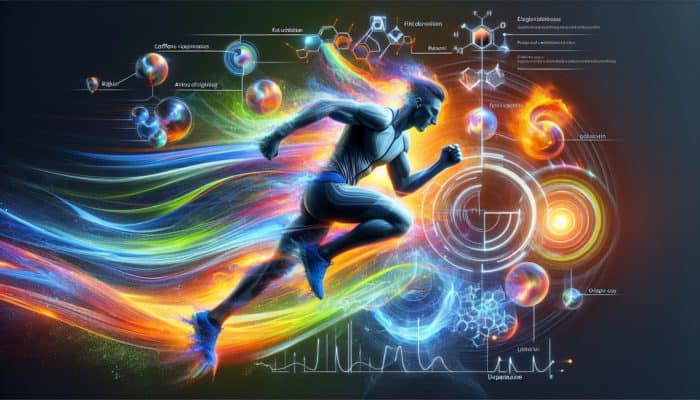
Caffeine functions as a powerful ergogenic aid, capable of significantly enhancing physical performance by stimulating the central nervous system. This stimulation lowers the perceived exertion levels and substantially elevates endurance. The physiological effects of caffeine during physical activity are broad and multifaceted. Key physiological impacts include:
- Increased adrenaline production, which enhances energy availability for physical exertion.
- Enhanced fat oxidation, allowing the body to utilize fat more efficiently as a fuel source.
- Improved neuromuscular function, leading to more effective muscle contractions during workouts.
- Reduced pain perception, enabling athletes to withstand more challenging training sessions.
- Increased heart rate and improved blood flow to muscles, which directly contributes to enhanced performance levels.
- Stimulation of dopamine release, which elevates mood and motivation during physical activities.
- Enhanced cognitive functions, including better alertness and concentration, which aids in quicker decision-making during sports.
These physiological mechanisms elucidate how caffeine impacts both the body and mind, resulting in improved exercise performance. By grasping these effects, athletes can strategically leverage the benefits of caffeine to enhance their training protocols and achieve superior outcomes in competitions.
When Should Athletes Consume Caffeine for Optimal Performance Gains?
To maximize the benefits of caffeine during workouts, timing is crucial. Consuming caffeine approximately 30 to 60 minutes before engaging in physical activity can optimize performance. This timeframe allows the body to metabolize caffeine efficiently, ensuring that athletes experience its full benefits when they need it most.
What is the Ideal Caffeine Dosage for Athletes to Enhance Performance?
The recommended caffeine dosage for athletes can vary based on the type of workouts and individual tolerance levels. Generally, a dosage between 3 to 6 milligrams per kilogram of body weight is considered effective for enhancing performance. However, individual requirements may differ based on the workout’s intensity and duration, underscoring the importance of personalized caffeine strategies.
Insights from Experts on Elevating Workout Intensity with Caffeine
What Are the Most Effective Sources of Caffeine for Athletes?
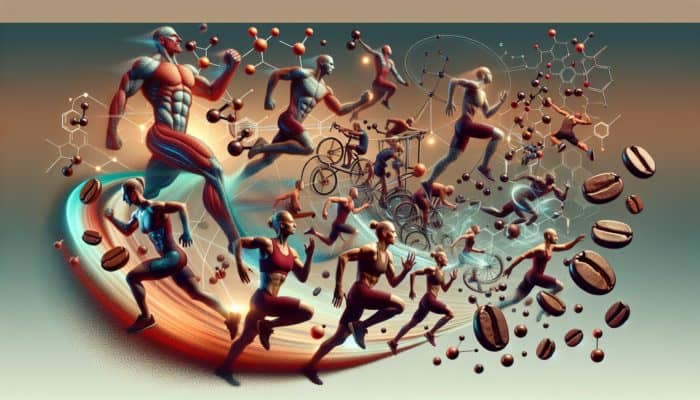
Athletes have access to a variety of caffeine sources that can effectively enhance their performance. The most effective sources include coffee, energy drinks, caffeine pills, and pre-workout supplements. Each source has its unique advantages. For example, coffee is a natural and readily available option, while energy drinks may offer additional vitamins and electrolytes that can further support performance.
Professional athletes often utilize these sources; marathon runners, for instance, typically consume caffeine gels, which provide both rapid energy and caffeine. Weightlifters may opt for pre-workout supplements that combine caffeine with other performance-enhancing ingredients, creating a synergistic effect that optimizes their lifting capabilities.
How Can Athletes Effectively Manage Caffeine’s Side Effects?
While caffeine can significantly enhance athletic performance, it may also lead to side effects such as jitteriness, anxiety, or insomnia. Athletes can effectively mitigate these adverse effects by gradually increasing their caffeine intake, ensuring proper hydration, and limiting consumption close to bedtime. This careful approach helps maintain the performance-enhancing benefits of caffeine while minimizing any potential negative outcomes.
Implementing strategies such as monitoring individual tolerance levels and moderating caffeine intake, especially before high-intensity workouts, can ensure that athletes retain the benefits while reducing the risk of negative side effects.
How Does Caffeine Influence Different Types of Workouts?
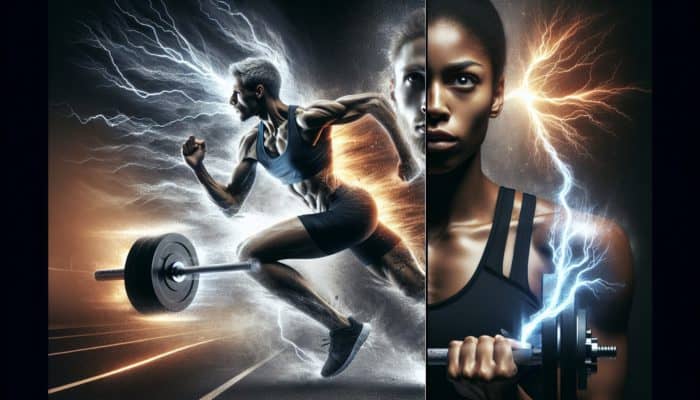
Caffeine’s effects can vary significantly between endurance and strength training. During endurance workouts, caffeine enhances stamina by delaying the onset of fatigue and improving fat oxidation, enabling athletes to maintain their efforts over extended durations. In contrast, during strength training, caffeine can enhance focus and neuromuscular performance, resulting in more effective lifts and overall training outcomes.
Grasping these distinctions allows athletes to tailor their caffeine intake based on their specific training goals, ultimately maximizing the benefits derived from caffeine use.
Proven Techniques for Effectively Using Caffeine in Training
How to Integrate Caffeine Smoothly into Your Training Routine
Successfully incorporating caffeine into a training program demands careful planning and consideration. Athletes should start by identifying their optimal dosage, experimenting with various sources, and keenly observing their body’s responses. Timing caffeine intake around workouts—ideally just before training sessions—can significantly amplify its effectiveness and benefits.
Additionally, athletes can smoothly integrate caffeine into their daily routines by substituting regular morning coffee with a stronger brew or utilizing energy gels during extended training sessions. This systematic approach enables athletes to maximize the performance-enhancing properties of caffeine while establishing consistent habits that support their training goals.
What Key Information Should You Know About Caffeine and Hydration?
Caffeine can play a significant role in hydration levels during workouts, which is essential for achieving peak performance. Athletes must manage their fluid intake effectively. Here are some hydration tips to consider:
- Drink water prior to consuming caffeine to ensure proper hydration levels are maintained.
- Monitor caffeine intake to remain within safe limits, especially in warmer conditions where dehydration risk increases.
- Balance caffeine consumption with electrolyte-rich fluids during prolonged physical activities to prevent dehydration.
- Regularly assess hydration status during workouts and adjust fluid intake as necessary to maintain optimal performance.
By adhering to these hydration strategies, athletes can sustain adequate fluid levels, optimizing the benefits of caffeine without compromising their performance during training and competition.
How to Adjust Caffeine Intake Based on Workout Intensity?
The intensity of a workout can significantly influence an athlete’s caffeine requirements. For high-intensity sessions, a higher caffeine dosage may be beneficial to enhance stamina and overall performance. Conversely, moderate-intensity workouts might require lower amounts of caffeine to avoid feelings of jitteriness or excessive stimulation.
Athletes should be attuned to their bodies and adjust their caffeine intake according to the demands of their training, ensuring they achieve the right balance for optimal results and performance.
What is the Best Timing for Caffeine Consumption for Optimal Performance?
To maximize the advantages of caffeine, athletes should aim to consume it roughly 30 to 60 minutes before their workout. This strategic timing allows caffeine levels in the bloodstream to peak just as training begins, enhancing both energy and focus levels significantly.
Thoughtfully timing caffeine intake can be a game-changer for athletes, enabling them to effectively push their limits during workouts and achieve their performance goals.
How Does Caffeine Affect Sleep and Recovery?
Caffeine consumption can significantly impact sleep quality and recovery processes following workouts. Consuming caffeine too close to bedtime can disrupt sleep patterns, which hinders recovery and overall athletic performance. Athletes should strive to limit caffeine consumption in the hours leading up to sleep and consider its potential effects on recovery strategies.
Balancing caffeine intake with adequate rest is crucial for optimizing performance and sustaining energy levels during both training and competitive events.
Understanding the Science Behind Caffeine and Exercise
How Does Caffeine Enhance Muscle Functionality?
Caffeine positively influences muscle functionality by improving neuromuscular efficiency and facilitating muscle contractions at a cellular level. It achieves this by increasing calcium release in muscle fibers, which is essential for effective muscle contraction and performance.
This effect not only contributes to greater power output but also aids in delaying fatigue during physical activities. Understanding these mechanisms allows athletes to proficiently integrate caffeine into their training regimens to enhance muscle performance effectively.
What Are the Long-Term Effects of Caffeine on Athletic Fitness Levels?
Regular caffeine consumption can lead to long-term adaptations in athletic fitness levels. Consistent intake may elevate metabolic rates and enhance fat utilization, resulting in improved endurance and overall energy levels for athletes. Over time, athletes can expect to see enhanced performance metrics as their bodies adapt to regular caffeine use.
This knowledge is essential for athletes seeking sustained improvements in their training and competitive performances, helping them stay ahead in their sports.
What Insights Does Research Provide About Caffeine’s Ergogenic Effects?
Numerous studies have explored caffeine’s ergogenic properties, demonstrating its effectiveness in enhancing workout intensity across various sports disciplines. Recent research indicates that caffeine can boost both aerobic and anaerobic performance, making it an invaluable asset for athletes engaged in a wide range of sporting activities.
By keeping abreast of the latest research, athletes can make informed decisions regarding their caffeine usage, ensuring they maximize its benefits while minimizing any potential drawbacks.
How Does Caffeine Enhance Endurance and Stamina?
Caffeine improves endurance by postponing the feeling of fatigue, enabling athletes to maintain elevated levels of exertion for longer periods. The underlying mechanisms involve increased fat oxidation and enhanced neuromuscular function, which work together to improve stamina during prolonged exercise sessions.
By understanding these influences, athletes can better structure their training and caffeine strategies to optimize their endurance performance effectively.
Nutritional Factors and Caffeine: A Comprehensive Perspective
How to Combine Caffeine with Other Supplements for Performance Enhancement?
Caffeine can be effectively combined with other supplements to amplify performance outcomes. Some of the most beneficial combinations include caffeine paired with beta-alanine for improved endurance or integrated with creatine for enhanced strength performance.
These combinations can magnify the distinct advantages of each supplement, creating a synergistic effect that supports athletes in reaching their training goals. However, athletes should remain vigilant regarding dosages and individual tolerance to prevent any adverse reactions.
How Does Nutrition Affect Caffeine’s Effectiveness?
Diet plays a vital role in determining how effectively caffeine functions during workouts. Factors such as carbohydrate intake, fat consumption, and overall caloric balance can significantly impact caffeine’s ergogenic effects.
Athletes should contemplate the following dietary strategies:
- Ensure adequate carbohydrate intake to optimize glycogen stores for energy during exercise.
- Incorporate healthy fats to sustain energy levels throughout training sessions.
- Maintain a well-balanced diet to enhance overall nutrient absorption and athletic performance.
- Monitor meal timing in relation to caffeine consumption for optimal effects on energy and endurance.
By aligning dietary choices with caffeine intake, athletes can significantly enhance their performance capabilities and training outcomes.
What Should You Understand About Caffeine and Recovery Processes?
Caffeine can support post-workout recovery by alleviating muscle soreness and aiding glycogen replenishment. By promoting faster recovery, athletes can engage in their training more effectively and achieve superior results over time.
Understanding the timing and dosage of caffeine after exercise is critical for fully leveraging these benefits, allowing athletes to integrate efficient recovery strategies with their caffeine consumption.
Research-Backed Benefits of Enhancing Workout Intensity with Caffeine
What Confirmed Advantages Does Caffeine Offer in Sports Performance?
Caffeine has been shown to deliver numerous benefits in sports, including enhanced endurance, faster reaction times, and improved focus. These advantages arise from its capability to stimulate the central nervous system and increase energy levels, making it a vital component for athletes aiming to enhance their performance.
By understanding these proven benefits, athletes can strategically incorporate caffeine into their training routines to achieve optimal outcomes during competitions and workouts.
How Does Caffeine Enhance Mental Focus During Physical Activity?
Caffeine is renowned for its ability to improve mental focus, which is essential for achieving peak performance in sports. It boosts concentration and mental clarity, allowing athletes to maintain high levels of focus throughout demanding training sessions and competitions.
To maximize this advantage, athletes should consume caffeine prior to training sessions while employing mindfulness techniques to sustain focus during their workouts.
What Have Long-Term Studies Uncovered About Caffeine and Athletic Performance?
Long-term studies have provided invaluable insights into the enduring effects of caffeine on athletic performance. These investigations reveal that regular caffeine consumption can enhance endurance and improve recovery rates, ultimately benefiting performance over time.
Recognizing these long-term effects empowers athletes to make informed decisions about their caffeine intake strategies, helping them maintain a competitive edge in training and competitions.
Customizing Caffeine Strategies for Different Demographics
How Does Caffeine Influence Athletic Performance Across Different Age Groups?
Caffeine’s effects can differ among various age demographics. Younger athletes may metabolize caffeine more rapidly, resulting in higher tolerance levels, whereas older athletes might need to cautiously adjust their dosages due to varying sensitivities.
Recognizing these variations allows athletes to customize their caffeine intake strategies based on age and individual responses, optimizing performance levels across the board.
What Role Do Genetic Factors Play in Individual Sensitivity to Caffeine?
Genetic factors significantly influence how individuals respond to caffeine. Some athletes may exhibit heightened sensitivity, requiring lower doses, while others may tolerate larger amounts without adverse effects. Understanding these individual differences is crucial for maximizing the benefits of caffeine while minimizing unwanted side effects.
Athletes should closely monitor their reactions to caffeine and adjust their consumption accordingly, ensuring they harness its advantages effectively.
Are There Gender Differences in Caffeine Response Among Athletes?
Research suggests that there may be significant differences in how men and women react to caffeine, particularly concerning metabolism and tolerance levels. Women may experience more pronounced effects at lower doses due to hormonal fluctuations, necessitating tailored caffeine strategies for both genders.
Understanding these disparities can guide athletes in crafting personalized caffeine strategies that optimize performance across different gender groups.
How Do Cultural Differences Shape Caffeine Consumption Patterns?
Cultural backgrounds can greatly influence caffeine consumption habits. In various cultures, sources like tea or yerba mate may be preferred, while others might favor coffee or energy drinks. This diversity necessitates that athletes from different cultural backgrounds consider local practices and adjust their caffeine intake to optimize performance while respecting their traditional consumption habits.
What is Caffeine’s Impact Across Various Athletic Disciplines?
Caffeine’s effects can vary across different sports disciplines. Endurance athletes often benefit from its stamina-enhancing properties, while strength athletes may capitalize on its ability to improve focus and power output. Tailoring caffeine strategies to specific athletic disciplines allows athletes to effectively leverage its advantages, ensuring they achieve peak performance tailored to their unique competition requirements.
Maximizing Workout Intensity with Caffeine: Best Practices
What Are the Most Effective Practices for Utilizing Caffeine in Training Sessions?
Effective caffeine utilization can significantly elevate workout intensity. Best practices include determining the appropriate dosage tailored to individual needs, strategically timing consumption before workouts, and diligently monitoring performance outcomes. Athletes should document their experiences to refine their caffeine strategies, ensuring they maintain consistent benefits throughout their training cycles.
How Can Athletes Avoid Developing Dependence on Caffeine?
Regular caffeine use can lead to dependence, which may hinder performance when caffeine is not available. To prevent developing a reliance on caffeine, athletes should cycle their intake and periodically take breaks to reset their tolerance levels. This strategic approach helps maintain caffeine’s effectiveness and avoids any negative withdrawal effects on performance.
Why Is It Essential to Monitor Caffeine’s Impact on Performance?
Tracking the effects of caffeine on performance is crucial for athletes aiming to optimize its use. Athletes should maintain detailed logs of their caffeine consumption and workout performance, allowing them to identify trends and make informed adjustments as necessary. This ongoing evaluation will aid athletes in fine-tuning their caffeine strategies for maximum benefits.
What is the Most Effective Timing for Caffeine Intake to Achieve Peak Performance?
Athletes should consume caffeine approximately 30 to 60 minutes prior to workouts to leverage its full benefits. This timing allows caffeine to peak in the bloodstream just as training commences, enhancing both energy and focus levels effectively. Implementing this timing strategy can significantly enhance workout outcomes, ensuring athletes maximize caffeine’s performance-enhancing properties.
How to Combine Caffeine with Other Supplements for Enhanced Performance?
Caffeine can be effectively paired with other supplements to intensify workout outcomes. Popular combinations include caffeine with creatine for strength training or with beta-alanine for enhanced endurance performance. Athletes should exercise caution when combining supplements and closely monitor their effects to avoid any potential adverse reactions, ensuring optimal performance without compromising health.
Frequently Asked Questions
What is the ideal caffeine dosage for athletes?
The optimal caffeine dosage for athletes typically ranges from 3 to 6 milligrams per kilogram of body weight, varying based on individual tolerance and workout intensity levels.
Can caffeine improve endurance performance?
Yes, caffeine has been shown to enhance endurance performance by delaying fatigue and promoting fat oxidation, enabling athletes to sustain efforts for longer periods.
How does caffeine influence muscle recovery?
Caffeine can facilitate muscle recovery by reducing soreness and aiding glycogen replenishment, helping athletes recover more quickly after intense training sessions.
What potential side effects are associated with caffeine consumption?
Caffeine can lead to side effects such as jitteriness, anxiety, increased heart rate, and insomnia, particularly when consumed in excessive amounts or close to bedtime.
How should athletes time their caffeine intake?
Athletes should aim to consume caffeine 30 to 60 minutes before workouts to maximize its benefits and enhance performance during training sessions.
Is caffeine safe for all athletes?
Caffeine is generally safe for most athletes; however, individuals with specific medical conditions or sensitivities should consult with a healthcare professional before usage.
Can dietary factors influence caffeine’s effectiveness?
Indeed, dietary components such as carbohydrate intake and overall nutritional balance can significantly affect how effectively caffeine functions during workouts.
What cultural variations exist in caffeine consumption habits?
Cultural backgrounds can greatly impact caffeine consumption patterns, with regions favoring certain sources like coffee, tea, or energy drinks, thereby influencing athletes’ intake practices.
How can athletes prevent developing caffeine dependency?
To avoid caffeine dependency, athletes should cycle their intake, periodically taking breaks to reset their tolerance levels and maintain caffeine’s effectiveness.
What are the benefits of combining caffeine with other supplements?
Combining caffeine with other supplements can enhance performance outcomes through synergistic effects, boosting energy levels and endurance when utilized strategically.
Connect with us on Facebook!
The Article Enhancing Workout Intensity With Caffeine: Universal Strategies appeared first on https://athleticsupplement.com
The Article Caffeine Strategies to Boost Your Workout Intensity Was Found On https://limitsofstrategy.com