Master the Art of Using Freeze-Dried Foods for Culinary Adventures
What Are Freeze-Dried Foods and How Do They Function?

Freeze-dried foods represent a significant advancement in food preservation technology, allowing you to maintain the natural qualities of fresh produce while dramatically extending their shelf life. The intricate freeze-drying process involves removing moisture from the food, thus effectively retaining both nutritional value and flavor. This innovative technique is particularly beneficial for individuals seeking long-lasting food storage solutions for emergency situations, outdoor adventures, or anyone preferring easy-to-store ingredients. The most popular varieties of freeze-dried foods include:
- Fruits such as strawberries, apples, and bananas
- Vegetables like peas, corn, and carrots
- Meats including chicken, beef, and fish
- Prepared meals such as pasta dishes and soups
- Herbs and spices
- Dairy products like cheese and yoghurt
- Snacks such as freeze-dried ice cream
- Complete meal kits
Understanding these various components is vital for informed choices regarding how to incorporate freeze-dried foods into your diet or emergency preparedness planning.
What Are the Key Advantages of Freeze-Drying Food?
The freeze-drying method presents numerous advantages that cater to various applications and consumer demands. One of the primary benefits is its exceptional capability to retain nutrients and flavor, ensuring that food maintains its essential vitamins and minerals. This preservation technique results in a significantly lighter product, simplifying transportation—ideal for camping, hiking, or traveling. Noteworthy benefits of freeze-drying include:
- Extended shelf life, often lasting for years without refrigeration
- Preserved nutritional content, creating a sustainable food source
- Lightweight and compact, making transport a breeze
- Easy preparation with minimal cooking needed
- Versatility in culinary applications, from snacks to complete meals
- Lower risk of spoilage compared to other preservation methods
- Enhanced flavor profiles, often richer than fresh
- Reduced water content, minimizing bulk and simplifying storage
These advantages underscore the growing popularity of freeze-dried foods among outdoor enthusiasts, emergency planners, and anyone seeking convenient meal solutions.
How is the Freeze-Drying Process Executed?
The intricate freeze-drying process consists of several carefully controlled steps that ensure food retains its quality and nutritional benefits. Initially, the food undergoes freezing at temperatures significantly below zero degrees Celsius. This freezing phase is crucial as it preserves the integrity of the food’s cellular structure. Following the freezing, the surrounding pressure is reduced, allowing the frozen water within the food to undergo sublimation. During this phase, moisture transitions directly from a solid to a gas without becoming liquid, effectively eliminating moisture while preserving the essential properties of the food.
This entire process takes place in specialized freeze-drying equipment, which meticulously manages temperature and pressure to ensure the highest quality product. The outcome is a shelf-stable food that can be easily rehydrated by adding water, restoring its original texture and flavor profile for consumption. Recognizing this sophisticated process highlights the advanced technology behind freeze-dried foods and their critical role in modern culinary practices.
Insights from Experts on the Benefits of Freeze-Dried Foods

What Do Experts in Food Science Say About Freeze-Dried Foods?
Professionals in food science and culinary arts emphasize the nutritional and practical benefits of freeze-dried foods. Numerous studies and testimonials converge on the understanding that freeze-drying effectively preserves nutrients while delivering convenience. Nutritionists highlight that freeze-drying retains a substantial portion of vitamins and minerals that might be lost through traditional cooking methods. Chefs also appreciate the versatility of freeze-dried ingredients in gourmet recipes, enabling innovative applications that range from snacks to complete meal solutions.
Real-world examples include advice from outdoor survival specialists who underscore the importance of incorporating freeze-dried fruits and meals as essential elements of their kits. These products provide concentrated flavors and high energy density, which are vital during physically demanding activities. Additionally, professionals in emergency preparedness advocate for utilizing freeze-dried foods as a primary resource during disasters, citing their impressive shelf life and ease of storage. Overall, expert insights firmly position freeze-dried foods as a beneficial option for health-conscious consumers and outdoor adventurers alike.
How Can You Assess the Quality of Freeze-Dried Foods?
To accurately assess the quality of freeze-dried foods, consumers should adopt a systematic approach that considers multiple factors. Evaluating texture, flavor, and nutritional content is essential. A reliable quality assessment initiates with examining the packaging for any signs of damage or deterioration, which may indicate compromised food integrity.
For flavor evaluation, conducting taste tests can uncover the authenticity of the food. Look for brands that offer clear nutritional information and certifications from recognized authorities, as these elements enhance credibility. Here are actionable steps to evaluate the quality of freeze-dried foods:
- Inspect packaging for integrity and expiration dates
- Evaluate the appearance of the food—vibrant colors typically indicate quality
- Conduct taste tests whenever feasible to assess flavor
- Research brands for customer reviews and expert endorsements
- Check for certifications like USDA Organic or Non-GMO Project Verified
- Consider the variety available—diverse offerings may indicate a reputable brand
- Inquire about sourcing and manufacturing practices for transparency
- Look for products with minimal additives and preservatives
By adhering to these guidelines, consumers can make informed decisions that align with their dietary preferences and requirements.
What Common Misunderstandings Exist About Freeze-Dried Foods?
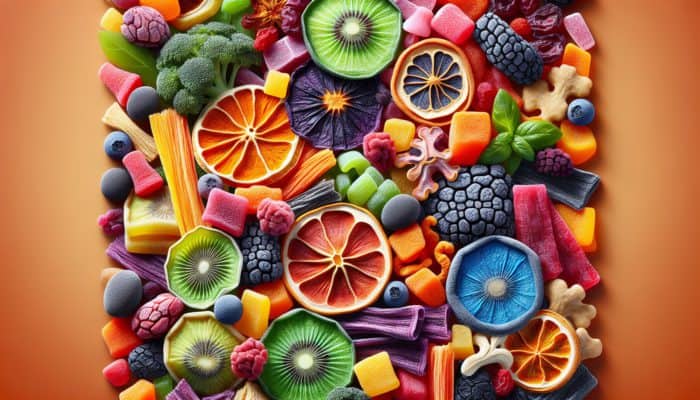
Despite their increasing popularity, freeze-dried foods often encounter misconceptions that can hinder consumer acceptance. A prevalent myth is that freeze-drying strips food of its nutritional value; however, this claim lacks merit when the process is executed properly. Many consumers mistakenly believe that freeze-dried foods lack flavor, yet advancements in freeze-drying technology have significantly improved taste profiles, often enabling them to rival fresh counterparts.
Expert analyses indicate that these misconceptions frequently arise from a lack of understanding regarding the freeze-drying process and its capabilities. For instance, many consumers confuse freeze-dried foods with dehydrated options, which can suffer notable nutrient loss due to high heat during the drying process. Additionally, the belief that freeze-dried meals are exclusively for survival scenarios is limiting; they can seamlessly integrate into everyday diets, offering convenience and nutritional advantages.
Understanding these misconceptions nurtures a broader appreciation for freeze-dried foods, encouraging consumers to incorporate them into daily meals, travel packs, and emergency supplies with confidence.
Exploring the Diverse Range of Freeze-Dried Foods
What Are the Most Popular Freeze-Dried Foods Available on the Market?
The freeze-dried food market has witnessed tremendous expansion, providing a vast array of options tailored to meet diverse tastes and dietary needs. Among the most sought-after freeze-dried foods, fruits, vegetables, and meats stand out, each serving distinct roles in meal preparation and snacking. These items frequently find applications in everything from camping meals to emergency food supplies, greatly enriching culinary experiences.
Popular categories of freeze-dried foods include:
- Fruits, such as strawberries, blueberries, and bananas, commonly used in smoothies or desserts
- Vegetables, including broccoli, bell peppers, and spinach, ideal for enhancing soups and stews
- Meats, like chicken and beef, providing essential protein in quick-prep meals
- Prepared meals, offering complete culinary solutions for added convenience
- Snacks, such as freeze-dried fruits and yoghurt bites, appealing to health-conscious consumers
- Herbs and spices, enhancing flavor profiles across various dishes
- Dairy products, including cheese, adding richness to meals
- Complete meal kits designed for seamless cooking during outdoor adventures
The extensive variety available in freeze-dried foods empowers consumers to creatively mix and match ingredients for both daily meals and special occasions.
Freeze-Dried Meals vs. Individual Ingredients: Which Option Is Best?
Choosing between freeze-dried meals and individual ingredients necessitates a clear understanding of context. Freeze-dried meals offer convenience, facilitating rapid preparation with minimal effort. These meals cater to individuals who may lack the time or resources to cook from scratch, making them ideal for busy lifestyles or outdoor adventures.
Conversely, individual freeze-dried ingredients provide culinary flexibility, enabling consumers to craft customized dishes based on their preferences. For example, a hiker might select freeze-dried vegetables and meats to create a personalized stew, while a traveler may prefer pre-packaged meals for their simplicity and ease.
Both options fulfill their purposes effectively, and the choice often depends on personal preferences and specific needs. Outdoor enthusiasts may lean towards individual ingredients for their versatility, while families might gravitate towards meals for their quick preparation and variety, ensuring that there is something for everyone in their culinary repertoire.
How to Choose the Right Freeze-Dried Food for Your Specific Needs?
Selecting the perfect freeze-dried food requires careful consideration of dietary requirements, intended use, and personal taste preferences. It is essential to evaluate the nutritional profile of products, particularly if they will be integrated into a balanced diet. Individuals with specific dietary restrictions, such as vegetarians or those with food allergies, should meticulously scrutinize ingredient lists for compatibility.
To make an informed choice, consider the following factors:
- Identify dietary requirements, including allergies and nutritional goals
- Evaluate the intended use, whether for emergency preparedness, camping, or everyday meals
- Review the nutritional information, focusing on calories, protein, and vitamins
- Consider the flavor profiles of various products and potential pairings
- Examine portion sizes to ensure they align with consumption needs
- Research brands known for quality and sustainability
- Experiment with samples whenever possible to determine personal preferences
- Seek recommendations from trusted sources, such as friends or online communities
By thoughtfully considering these elements, consumers can select freeze-dried foods that align with their culinary and nutritional objectives.
What Are the Unique Advantages of Freeze-Dried Foods?
The range of benefits associated with freeze-dried foods is extensive and multifaceted, making them a favored choice for many individuals. One of the most appealing aspects is their ability to retain nutrients throughout the preservation process, providing an alternative that often surpasses canned or dehydrated options in health benefits. The prolonged shelf life of freeze-dried foods—often exceeding several years—ensures they remain a reliable food source in emergencies or for long-term storage.
Additionally, freeze-dried foods are lightweight and compact, making them particularly advantageous for backpacking or travel. This reduction in weight is complemented by convenience; meals typically require only quick rehydration with water, thus saving cooking time and effort. Additional benefits include:
- Versatility in usage, ranging from quick snacks to comprehensive meals
- Reduced waste, as the extended shelf life leads to less spoilage
- Less reliance on preservatives, aligning with health-conscious consumer trends
- Enhanced flavor concentration, offering a culinary edge over some fresh options
- Easier storage due to compact packaging
- A broader selection of foods available year-round
- Potential cost savings over time through reduced waste and extended shelf life
- Support for sustainable practices by minimizing food waste
These advantages highlight the practicality and appeal of freeze-dried foods for a diverse range of consumers, from outdoor adventurers to families preparing for emergencies.
Understanding the Distinctions Between Freeze-Dried Foods and Other Preservation Methods
What Differentiates Freeze-Drying from Dehydrating Techniques?
Freeze-drying and dehydrating are two distinct methods of preserving food, each with its unique advantages and processes. As previously mentioned, freeze-drying entails freezing the food followed by reducing the pressure to allow moisture to sublimate. This approach preserves a greater proportion of nutrients and flavor compared to conventional dehydrating, where food is subjected to heat to evaporate moisture.
The differences are significant concerning quality and application. Freeze-dried foods maintain more of their original texture, taste, and nutritional content, which is critical for those prioritizing health or culinary experiences. Dehydrated foods often exhibit a less appealing texture and can lose substantial amounts of vitamins and minerals during the heating process.
In summary, while both methods serve the purpose of food preservation, freeze-drying stands out for its superior preservation capabilities. This distinction is especially vital for consumers seeking quality and nutrition without sacrificing flavor.
Can Freeze-Dried Foods Effectively Replace Canned Foods?
Freeze-dried foods can indeed serve as a lighter and more nutritious alternative to canned foods, yet it’s essential to acknowledge their differences. While canned foods provide convenience and long shelf life, they often contain added preservatives and higher sodium levels, which may not align with health-conscious choices. Freeze-dried foods, on the other hand, can offer cleaner labels, with fewer additives and potentially more nutrients preserved from the original food.
However, freeze-dried foods require rehydration before consumption, which can be a drawback for some consumers. The necessity for water might render them less practical in specific situations compared to ready-to-eat canned goods. Nevertheless, for those prioritizing nutrition and taste, freeze-dried options are gaining popularity. They also provide diverse culinary applications, allowing for more creative meal preparation than traditional canned foods.
Overall, while freeze-dried foods can effectively replace canned options in many scenarios, the decision largely hinges on individual preferences and the specific context of use.
Are Freeze-Dried Foods Superior to Fresh Foods?
The comparison between freeze-dried foods and fresh foods is nuanced, as each possesses unique strengths and weaknesses. Freeze-dried foods preserve many essential nutrients, making them an excellent choice when fresh options are unavailable. This preservation method allows for the enjoyment of seasonal ingredients year-round, which can be particularly beneficial for individuals living in areas with limited access to fresh produce.
However, fresh foods often deliver superior taste and texture—qualities that can be challenging to replicate with freeze-dried items. The freshness of ingredients can significantly enhance culinary experiences, providing greater enjoyment for consumers. Ultimately, the choice depends on the situation; for example, freeze-dried foods are invaluable in emergencies or during travel, whereas fresh foods are preferred for daily cooking and consumption.
In conclusion, both freeze-dried and fresh foods play significant roles in a balanced diet. Understanding their respective advantages enables individuals to make informed choices based on their unique needs and circumstances.
Research-Backed Advantages of Freeze-Dried Foods
What Do Studies Reveal About the Nutritional Value of Freeze-Dried Foods?
Research consistently demonstrates that freeze-dried foods retain a significant portion of their original nutrients, making them a viable option for those aiming to maintain a balanced diet. Studies indicate that vitamins such as vitamin C and various B vitamins remain largely intact, with minimal loss throughout the freeze-drying process. This nutrient retention is particularly crucial for consumers who rely on these foods to meet their dietary needs, especially in scenarios where fresh produce is limited.
The freeze-drying process is especially effective at preserving antioxidants and other beneficial compounds that contribute to overall health. This means individuals incorporating freeze-dried foods into their diets can gain the benefits of these nutrients without compromising quality. Furthermore, the ability to store these foods for extended periods without refrigeration enhances their practicality, making them an excellent choice for various applications, from emergency preparedness to travel.
Understanding the research surrounding freeze-dried foods underscores their role as a nutritious alternative, encouraging consumers to consider them a reliable component of their dietary regimen.
How Do Freeze-Dried Foods Impact Environmental Sustainability?
Freeze-drying can positively influence the environment by reducing food waste and minimizing the necessity for preservatives. The long shelf life of freeze-dried foods results in less waste compared to fresh produce, which often spoils quickly. This preservation method also lowers the carbon footprint associated with transportation and storage, as lighter products require less energy to ship and store.
Moreover, freeze-drying generally utilizes fewer resources than other preservation techniques, contributing to a smaller ecological footprint. By opting for freeze-dried options, consumers can support sustainable food practices and assist in reducing food waste on a larger scale.
The environmental benefits of freeze-dried foods emphasize the importance of incorporating these products into diets, particularly for those who prioritize sustainability and eco-conscious food choices.
What Are the Benefits of Long-Term Storage of Freeze-Dried Foods?
One of the most notable advantages of freeze-dried foods is their remarkable longevity, often lasting for years without refrigeration, making them ideal for long-term storage. This quality is particularly crucial for emergency preparedness, where access to fresh food may be limited. The preservation process effectively eliminates moisture, a primary factor in food spoilage, allowing freeze-dried foods to maintain their safety and nutritional value over extended periods.
In addition to their durability, these foods occupy less space than fresh options, making them easier to store in homes, camping gear, or emergency kits. Their compact nature also facilitates efficient storage, allowing users to optimize available space while ensuring a reliable food source is readily accessible.
The long-term storage benefits of freeze-dried foods make them a practical choice for consumers looking to enhance their food security and preparedness without compromising quality or nutrition.
Practical Applications of Freeze-Dried Foods
How to Seamlessly Incorporate Freeze-Dried Foods into Daily Cooking?
Incorporating freeze-dried foods into everyday cooking can introduce both convenience and variety to meals. The flexibility of freeze-dried ingredients allows for creative culinary applications, enabling home cooks to explore new flavors and textures. For instance, freeze-dried fruits can be rehydrated and added to smoothies, oatmeal, or baked goods, offering natural sweetness and nutrition without the risk of spoilage.
Similarly, freeze-dried vegetables can be blended into soups, stews, and casseroles, contributing a boost of nutrients and flavor. The ease of rehydration streamlines the process of enhancing meals without extensive preparation time. Here are some practical tips for utilizing freeze-dried foods:
- Rehydrate fruits in water or juice for snacks or desserts
- Add freeze-dried vegetables directly to soups and stews, allowing them to cook in the liquid
- Incorporate freeze-dried meats into recipes requiring simmering or baking to infuse flavor
- Use freeze-dried herbs and spices to elevate dishes
- Blend freeze-dried ingredients into smoothies for nutrient-packed beverages
- Experiment with creating your own freeze-dried meals at home
- Utilize freeze-dried foods in camping recipes for effortless outdoor cooking
- Store freeze-dried snacks for convenient, on-the-go nutrition
These strategies highlight the practicality and flexibility of freeze-dried foods, establishing them as a valuable addition to any kitchen.
What Are the Best Storage Practices for Freeze-Dried Foods?
To maintain the quality and longevity of freeze-dried foods, proper storage practices are crucial. Store freeze-dried foods in a cool, dry location, ideally in airtight containers to prevent moisture from re-entering. Exposure to light and humidity can degrade food quality, so dark, moisture-free environments are optimal.
Using vacuum-sealed bags or mylar bags with oxygen absorbers can further enhance shelf life. It’s also essential to keep freeze-dried foods away from strong odors, as they can absorb smells over time. Here are some best practices for storing freeze-dried foods:
- Choose airtight containers or vacuum-sealed bags to prevent moisture exposure
- Store in a cool, dark location to minimize light and heat exposure
- Utilize oxygen absorbers in packaging to extend shelf life
- Label containers with the purchase date for tracking freshness
- Avoid storing near strong-smelling substances to prevent flavor absorption
- Regularly check stored foods for any signs of spoilage
- Rotate stock to use older items first and maintain freshness
- Maintain a consistent temperature to prevent condensation
By following these guidelines, consumers can preserve the quality of freeze-dried foods and maximize their shelf life.
How Can Freeze-Dried Foods Elevate Outdoor Activities?
Freeze-dried foods are exceptionally well-suited for outdoor activities such as camping, hiking, and backpacking due to their lightweight characteristics and long shelf life. These foods provide a reliable source of nutrition that is easy to pack and transport, catering to the energy needs of outdoor enthusiasts.
The convenience of freeze-dried meals allows users to enjoy a hearty dinner after a long day of hiking, with minimal preparation required. Simply rehydrate with hot water, and meals are ready to serve. Here are several considerations for using freeze-dried foods in outdoor settings:
- Pack lightweight freeze-dried meals for easy transport on long hikes
- Select snacks that require no cooking for quick energy boosts
- Utilize pouches that can be cooked directly in boiling water for convenience
- Plan meals that incorporate a variety of freeze-dried ingredients
- Practice rehydration techniques in advance to streamline meal preparation
- Understand cooking times and methods to ensure palatable outcomes
- Explore diverse meal options to prevent menu fatigue during extended trips
- Store meals in bear-proof containers when in wildlife-prone areas
These considerations position freeze-dried foods as a practical choice for outdoor enthusiasts, ensuring they have access to nutritious meals while enjoying the great outdoors.
Consumer Insights on Freeze-Dried Foods
What Feedback Do Consumers Share About the Flavor of Freeze-Dried Foods?
Consumer feedback regarding the flavor of freeze-dried foods varies considerably, with many noting that taste can differ based on the brand and specific product. Some users appreciate the concentrated flavor that freeze-drying delivers, finding it enhances the characteristics of fruits and vegetables. For example, freeze-dried strawberries often showcase a more intense sweetness than fresh berries, making them a preferred choice for snacks and desserts.
Conversely, others express dissatisfaction with certain freeze-dried meals, feeling they lack the depth of flavor found in freshly prepared dishes. This discrepancy highlights the importance of brand quality and individual product selection. Consumer feedback frequently emphasizes the value of experimenting with different brands to identify those that match personal taste preferences.
Overall, while many consumers enjoy the flavor of freeze-dried foods, experiences can significantly differ, underscoring the subjective nature of food preferences.
How Do Consumers Rate the Convenience of Freeze-Dried Foods?
Convenience remains a key selling point for freeze-dried foods, and consumer ratings typically reflect a high level of satisfaction in this area. Numerous users appreciate the simplicity of preparing freeze-dried meals, which often require nothing more than the addition of hot water. This ease resonates with busy individuals, outdoor adventurers, and families seeking quick meal solutions.
Moreover, consumers value the portability of freeze-dried foods, making them ideal for travel and outdoor activities. Many reviews highlight the long shelf life of these products as a significant advantage, allowing users to maintain a stock of meals ready for any occasion.
In summary, the convenience factor is a primary reason many consumers opt for freeze-dried foods, and positive ratings in this category reinforce their appeal as a practical food choice.
Are Freeze-Dried Foods Cost-Effective Choices?
While the initial cost of freeze-dried foods may seem higher than that of fresh or canned alternatives, many consumers find them to be economical in the long run. The extended shelf life of freeze-dried products minimizes waste, as they can be stored for years without spoiling. This longevity makes them a smart investment for emergency preparedness and families looking to reduce grocery expenses over time.
Consumer opinions regarding cost-effectiveness often emphasize the nutritional value of freeze-dried foods as a key aspect. Many users note that the ability to access high-quality nutrients without the risk of spoilage can lead to savings, particularly for diets that prioritize health. Furthermore, when considering the cost per serving, freeze-dried foods can offer comparable or even superior value, especially when contrasted with fresh produce that may not last as long.
In essence, while upfront costs may be higher, the value derived from freeze-dried foods frequently translates into long-term savings and health benefits.
What Do Consumers Think About the Nutritional Value of Freeze-Dried Foods?
Consumer perceptions of the nutritional value of freeze-dried foods are generally positive, with many individuals acknowledging the advantages these products offer. The retention of vitamins and minerals throughout the freeze-drying process is a common point of appreciation, especially among health-conscious consumers. Many users view freeze-dried foods as a significant addition to their diet, particularly when fresh options are not readily accessible.
However, some consumers express concerns regarding the lack of dietary fiber in specific freeze-dried meals, noting that while nutrients are preserved, the overall balance may not be ideal if these foods are relied upon exclusively. This highlights the importance of incorporating freeze-dried foods as part of a varied diet that includes fresh produce and other nutritional sources.
Overall, while perceptions of nutritional value are predominantly favorable, consumers are encouraged to remain mindful of dietary diversity to ensure comprehensive nutrient intake.
What Are Consumer Preferences for Different Types of Freeze-Dried Foods?
Consumer preferences for freeze-dried foods vary widely, influenced by individual tastes, dietary requirements, and culinary applications. Many consumers prefer freeze-dried fruits and vegetables for their versatility and convenience, utilizing them in smoothies, baked goods, and as snack options. Freeze-dried meals also enjoy a strong following, particularly among those seeking quick preparation methods for outdoor activities or busy weeknights.
When considering specific products, freeze-dried fruits such as strawberries and bananas frequently rank high due to their sweet flavors and usability. Freeze-dried vegetables, especially peas and corn, are popular for their ability to enhance soups and stews with minimal preparation. Additionally, consumers are showing a growing interest in complete meal kits, appreciating the comprehensive nutritional offerings and convenience they provide.
Overall, the diverse selection of freeze-dried food options caters to a wide array of preferences, making them accessible for consumers with different culinary needs and lifestyles.
Common Inquiries About Freeze-Dried Foods
What Characterizes Freeze-Dried Food?
Freeze-dried food is created by removing moisture from fresh food, ensuring it retains its nutrients and flavor while significantly extending its shelf life.
How Long Do Freeze-Dried Foods Last?
Freeze-dried foods can remain safe to eat for many years when stored properly, often exceeding 25 years under ideal conditions.
Are Freeze-Dried Foods Considered Healthy Options?
Yes, freeze-dried foods maintain the majority of their nutritional value, making them a healthy choice for long-term storage and emergency preparedness.
What’s the Preparation Process for Freeze-Dried Meals?
Most freeze-dried meals require only hot water for rehydration; follow the instructions on the packaging for optimal results.
Can Freeze-Dried Foods Be Stored in Regular Containers?
It is recommended to store freeze-dried foods in airtight containers or vacuum-sealed bags to retain their quality and extend shelf life.
Are Freeze-Dried Foods Flavorful?
Taste can vary by brand and specific product, but many consumers find freeze-dried foods flavorful and enjoyable, especially when rehydrated correctly.
Can Freeze-Dried Foods Be Utilized in Everyday Cooking?
Absolutely! Freeze-dried foods can be incorporated into a wide variety of dishes, adding convenience and nutritional benefits to everyday cooking.
Do Freeze-Dried Foods Contain Preservatives?
Most freeze-dried foods contain minimal preservatives, focusing instead on preserving food through the freeze-drying process itself.
Are Freeze-Dried Foods Safe for Children?
Yes, freeze-dried foods are safe for children; however, it’s important to monitor for any allergies or sensitivities to specific ingredients.
How Do Freeze-Dried Foods Compare to Canned Foods?
Freeze-dried foods are often lighter, more nutritious, and have a longer shelf life than canned foods, although they require rehydration before consumption.
Join us on our journey on X!
The post Freeze-Dried Food Reviews: A Comprehensive Guide appeared first on Survival Bite.
The Article Freeze-Dried Food Reviews: Your Ultimate Guide Was Found On https://limitsofstrategy.com