Gather Essential Ingredients to Craft the Perfect BBQ Rub
Discover Key Spices for a Flavor-Infused BBQ Rub
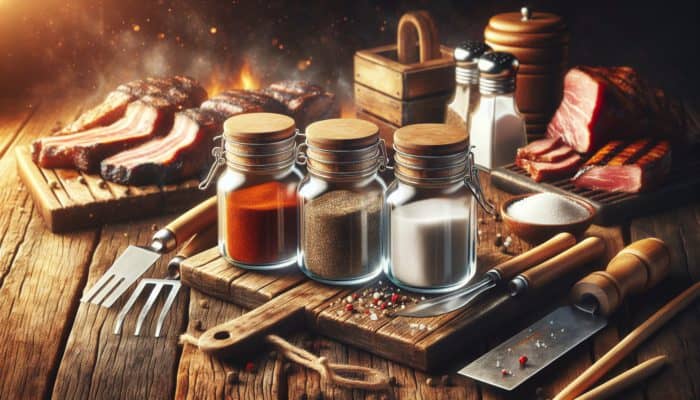
The essential foundation for creating a delicious BBQ rub is in the careful selection of key spices. When starting your journey to develop a signature BBQ rub at home, focus on the fundamental trio of paprika, salt, and pepper. Paprika is indispensable for imparting a rich, smoky flavor that enhances your dish, while salt is vital for intensifying the overall taste of the meat. In contrast, pepper introduces a mild heat that balances the smoky notes of paprika beautifully. Adjust the proportions of these spices to suit your individual preferences and the specific meat you are grilling. If you prefer a spicier profile, consider increasing the pepper content or trying different varieties, such as cayenne pepper, to reach that perfect flavor equilibrium that pleases your palate.
Enhance Your BBQ Rub with Flavorful Optional Ingredients
To elevate your BBQ rub from the mundane to the extraordinary, think about adding optional ingredients that can significantly boost the flavor profile. Ingredients like garlic powder, onion powder, and brown sugar add complexity and richness to your rub. Garlic powder brings a savory depth, while onion powder contributes a gentle sweetness and aromatic quality. Meanwhile, brown sugar facilitates a delightful caramelization process during grilling, giving your meat a beautifully crusted exterior. Consider how these flavors interact with your selected protein; for instance, brown sugar complements pork exceptionally well, providing a sweet contrast to the meat’s savory notes. Feel free to experiment with various combinations until you find the perfect blend that excites your taste buds and enhances your BBQ experience.
Essential Measuring Tools for Accurate BBQ Rub Preparation
Accurate measurements are crucial for crafting the ideal BBQ rub, ensuring a well-balanced combination of flavors. Using teaspoons and tablespoons allows for precise measurement of your spices. A practical starting strategy is to establish a foundational ratio, adjusting it as needed based on your taste preferences. For example, an effective starting point might include two tablespoons of paprika, one tablespoon of salt, and one teaspoon of pepper. Keep in mind that it’s generally easier to add more spices than to take them away, so start with smaller amounts and gradually enhance your rub. Additionally, maintain your measuring tools nearby to achieve consistent results in future batches of your flavorful rub.
Master the Art of Crafting a Basic BBQ Rub in Your Kitchen
What Key Elements Make Up an Effective BBQ Rub?
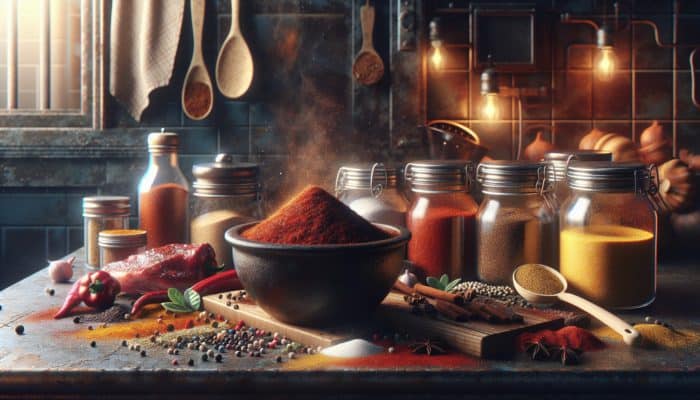
An effective BBQ rub plays a significant role in enhancing flavor and creating a delectable crust on your meats. The fundamental components of a successful BBQ rub include salt for seasoning, paprika for vibrant color, and sugar for caramelization. A well-executed balance of these elements helps form a crust that locks in moisture while delivering an intense flavor experience. Here’s a quick summary of the essential components:
- Salt: Enhances flavor and aids in moisture retention.
- Paprika: Contributes color and a smoky essence.
- Pepper: Adds heat and depth.
- Sugar: Facilitates caramelization and introduces sweetness.
- Garlic & Onion Powder: Offers savory notes and aromatic qualities.
When these components blend harmoniously, they create a complex flavor experience that can significantly elevate your BBQ. For instance, applying a well-balanced rub on brisket not only enhances the meat’s flavor but also forms a delicious bark during the smoking process, leading to an unforgettable BBQ experience.
How Can You Create a Balanced Flavor Profile in Your BBQ Rub?
Achieving a balanced flavor profile in your BBQ rub is essential for creating a well-rounded taste experience. A successful rub typically incorporates sweet, savory, and spicy notes. Begin with your base of salt and paprika, then taste and make necessary adjustments. For example, if your rub is overly salty, consider adding a hint of sugar; if it leans too sweet, increase the amount of pepper. The key lies in tasting continuously during the mixing process and adjusting the ratios to develop a delightful blend that tantalizes your taste buds.
Real-world examples of flavor balancing in BBQ rubs can vary greatly by region. In Kansas City, for instance, rubs tend to be sweeter, often incorporating brown sugar and similar sweeteners, while Texas-style rubs typically emphasize salt and pepper to enhance the meat’s natural flavors. Understanding these regional nuances can inspire your unique touch and help you create a rub specifically tailored for different dishes.
What Common Mistakes Should You Avoid When Crafting a BBQ Rub?
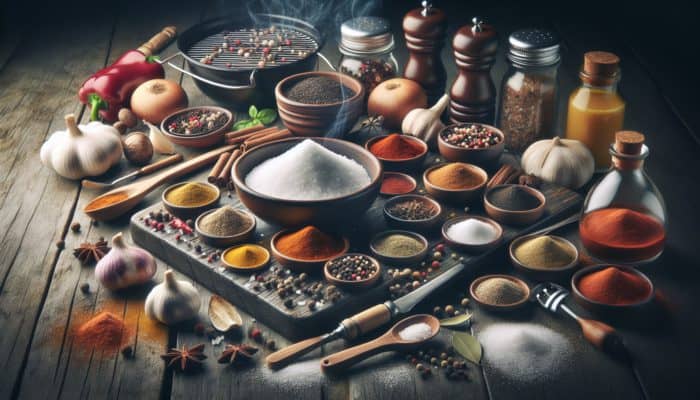
As you create your BBQ rub, be mindful of several common mistakes that could undermine your efforts. One prevalent error is over-salting, as too much salt can overpower other flavors and ruin your dish. To avoid this pitfall, start with a modest amount and adjust according to your taste preferences. Another common issue is the use of stale spices. Over time, spices can diminish in potency, so it is vital to check expiration dates and replace them as needed to maintain a vibrant flavor profile in your rub.
Moreover, proper storage of your spices is crucial. Store them in a cool, dark place, away from heat and moisture. Tasting your rub while mixing can also help you identify any imbalances early on. By being aware of these common pitfalls, you can elevate your BBQ rub to exceptional levels of excellence.
How Can You Tailor a BBQ Rub for Different Types of Meat?
Customizing your BBQ rub for various types of meat is an excellent way to enhance the overall dining experience. Each protein possesses distinct flavor characteristics that can be accentuated with specific spices and herbs. For example, pork pairs wonderfully with sweeter rubs that might include brown sugar and cinnamon, whereas beef often thrives on richer, more robust flavors such as coffee and chili powder.
For chicken, its versatility calls for a light, herbaceous rub featuring rosemary or thyme, which can enhance its flavor without overwhelming it. When dealing with seafood, a zesty rub with citrus zest and dill can highlight the freshness of the fish. Experimentation is key; try various combinations and craft your rub to showcase the inherent flavors of each meat type. The more you practice, the more skilled you will become at creating the perfect rub for any occasion.
Perfecting the Blend of Your BBQ Rub
How to Combine Dry Ingredients for an Irresistible Rub
Combining your dry ingredients is a crucial step in crafting the ultimate BBQ rub. Begin by carefully measuring each spice to ensure that you maintain the desired ratios. Once measured, transfer the spices into a mixing bowl. Using a whisk or fork is the most effective method to thoroughly mix these ingredients, as it guarantees an even distribution of flavors. This mixing process is essential because it allows the unique flavors of each spice to meld together, forming a unified flavor profile that will significantly enhance your meat.
While mixing, be mindful of the textures of your ingredients. If you notice any clumps, take extra care to break them down to ensure a consistent rub. Your goal is to achieve a uniform blend where every morsel of meat receives the same level of seasoning. A well-mixed rub not only enhances flavor but also improves the visual appeal when applied to the meat.
How Long Should You Spend Mixing Your BBQ Rub for Best Results?
Mixing your BBQ rub should ideally take at least 2 minutes to ensure that all ingredients are thoroughly combined. This duration allows for complete blending of spices, ensuring that each piece of meat receives consistent flavor throughout. If you desire a more integrated flavor profile, consider extending the mixing time; longer mixing can enhance flavor integration and yield a more harmonious taste.
Keep in mind that the mixing process also helps aerate the spices, releasing their essential oils and fragrances. This can elevate the overall aroma and effectiveness of your rub. The more you practice mixing, the more instinctive you will become regarding the timing and technique, resulting in a superb BBQ rub every time.
What Is the Ideal Texture for Your BBQ Rub?
The perfect consistency of your BBQ rub should be fine and powdery, allowing it to adhere well to the meat without forming clumps. A fine texture is essential for ensuring that the rub can penetrate the meat and create a flavorful crust during cooking. If your rub is too coarse, it may struggle to stick properly, leading to uneven flavor distribution on your meat.
To achieve this desired texture, consider the types of spices you are using. Some spices, like garlic and onion powder, are naturally finer, while others, like brown sugar, may clump. If you find that your rub contains excessive lumps or is too coarse, consider processing it in a spice grinder or food processor to achieve a smoother texture. A finely textured rub not only enhances flavor but also contributes to a visually appealing presentation when your dish is plated.
Should You Sift Your BBQ Rub for Optimal Consistency?
Sifting your BBQ rub can be advantageous, especially if you are aiming for a smoother texture. A fine mesh sieve is ideal for this task, as it allows you to eliminate any lumps and ensures that your rub is uniform. Sifting is particularly crucial if you have included ingredients like brown sugar or coarser spices that might clump together. By sifting, you promote an even distribution of spices, enhancing the overall flavor when the rub is applied to the meat.
Moreover, sifting can aerate your spices, helping to release their essential oils and fragrances. This can lead to a more aromatic final product. Consider incorporating this step into your process, especially when preparing larger batches of rub, as it ensures consistency and quality. Ultimately, a well-sifted rub not only tastes better but also looks more appealing when applied to your meats.
Applying the BBQ Rub to Meat for Maximum Flavor Infusion
How to Properly Prepare Meat for Optimal Rub Adherence
Preparing your meat correctly is a vital step that ensures your BBQ rub adheres effectively. Start by patting the meat dry with paper towels; this removes any excess moisture that can hinder the rub from sticking. It is also wise to trim any excess fat, as too much fat can cause flare-ups during cooking and prevent the rub from flavoring the meat adequately. Properly preparing your meat lays the groundwork for the flavors to penetrate deeply, ultimately leading to a superior BBQ experience.
After drying your meat, you can begin applying the rub. Take a moment to inspect the surface of the meat; a well-prepared surface will absorb the flavors of the rub more effectively. Your objective is to create a bond between the rub and the meat that enhances the overall flavor during cooking. This preparation step is not merely aesthetic; it significantly contributes to the success of your BBQ.
How Much Rub Should You Use for Each Cut of Meat?
The amount of rub you apply is crucial for achieving the perfect flavor profile. A general guideline suggests using approximately 1 tablespoon of rub per pound of meat. However, this can vary based on the meat’s surface area and your personal preferences. For larger cuts, consider increasing the amount to ensure full coverage, while smaller cuts might require less.
Take into account the intensity of your rub; a spice-rich rub can overwhelm a delicate protein like chicken, while a more subtle rub may be suitable for a robust cut of beef. Adjusting the quantity based on the type of meat and your preferences will help you achieve the right flavor harmony. Ultimately, the key is to ensure that the rub is evenly distributed to provide consistent flavor in every bite.
Effective Techniques for Rubbing to Maximize Flavor Infusion
Applying the rub to your meat involves both technique and quantity. Gently massage the rub into the surface of the meat to guarantee an even coating. This process not only helps the spices adhere better but also allows the flavors to penetrate the meat more deeply. Use your hands to press and rub the spices into the surface, being cautious not to apply excessive pressure, as you don’t want to damage the meat’s fibers.
After applying the rub, allow the meat to rest for at least 30 minutes before cooking. This resting period enables the flavors to begin infusing into the meat. For an even deeper flavor, consider marinating the meat with the rub in the refrigerator for at least an hour or overnight. This extended time allows for optimal flavor absorption, resulting in a tender, flavorful final product that showcases your homemade BBQ rub.
What Is the Optimal Marinating Time for Flavor Absorption?
The duration of marinating is crucial for how effectively the rub penetrates the meat. While a minimum of one hour is ideal, allowing the meat to rest with the rub for a longer duration—up to overnight—can greatly enhance the flavor profile. During this time, the spices work their magic, breaking down proteins and tenderizing the meat through osmosis, which also contributes to a juicier final product.
When marinating overnight, be sure to store your meat in an airtight container or tightly wrapped in plastic wrap to prevent it from drying out in the refrigerator. This extended marination not only ensures that the flavors meld beautifully but also allows for a more complex taste experience once the meat is cooked. The result will be a succulent dish that highlights the depth of flavors from your BBQ rub.
Best Practices for Storing Your BBQ Rub
Selecting the Right Container for Your BBQ Rub
Choosing the appropriate container is vital for keeping your BBQ rub fresh. An airtight container is essential, as it prevents moisture and air from degrading the spices. Glass jars with tight-sealing lids or specially designed plastic containers are both excellent options. The key is to ensure that your chosen container seals securely; this helps maintain the flavor integrity of your spices.
When storing your rub, consider placing it in a cool, dark area like a pantry or cupboard, away from direct sunlight and heat sources. This storage method preserves the potency of your spices and prevents clumping. By taking these precautions, you can extend the shelf life of your BBQ rub, ensuring that it’s always ready when you are.
How Long Can You Expect Your BBQ Rub to Stay Fresh?
A BBQ rub that is properly stored can last up to 6 months without losing its flavor. However, it is essential to regularly check for freshness by smelling and tasting the rub. If it lacks aroma or tastes bland, it may be time to prepare a new batch. Storing your rub under optimal conditions will help preserve its flavors for longer, allowing you to enjoy your homemade creations without sacrificing taste.
If you’re making larger batches, consider dividing them into smaller portions to minimize frequent exposure to air and moisture. This strategy allows you to keep one batch fresh while using another as needed. Maintaining the vibrancy and flavor of your rub is crucial for enhancing your BBQ dishes, and proper storage is key to achieving that goal.
The Importance of Labeling and Dating Your BBQ Rub
Always label your rub container with the date of creation. This simple action aids in tracking the freshness of your rub and helps you avoid using spices that may have lost their potency over time. Use a permanent marker or label maker to clearly indicate the date; this ensures easy identification when browsing through your spice cabinet.
Additionally, consider adding a list of primary ingredients on the label, especially if you enjoy experimenting with different flavors. This can prove beneficial if you create multiple blends or share them with friends. By implementing this organizational step, you can maintain a well-stocked spice cabinet and ensure that your BBQ rubs are always at their best.
- Utilize airtight containers to preserve freshness.
- Store in a cool, dark place away from heat sources.
- Regularly check spices for freshness.
- Label containers with creation dates and ingredient lists.
Research-Supported Benefits of Making Your Own BBQ Rub at Home
What Health Benefits Can Homemade Rubs Offer?
Creating homemade BBQ rubs provides the advantage of controlling the ingredients, leading to healthier meal options. By crafting your own rubs, you can manage the levels of salt and sugar, tailoring them to accommodate dietary preferences or restrictions. For example, reducing sugar in your rub can lower calorie content while still enhancing flavor.
To develop healthier BBQ rubs, focus on utilizing natural spices and herbs, steering clear of additives and preservatives commonly found in store-bought blends. Incorporating elements like paprika, cumin, and turmeric not only elevates flavor but also offers health benefits associated with these spices, such as anti-inflammatory properties. By preparing your rub at home, you can indulge in flavorful, wholesome meals that are beneficial for both your taste buds and your health.
How Does a BBQ Rub Improve the Cooking Process?
A well-crafted rub significantly enhances the cooking process by forming a flavorful crust on the meat and facilitating tenderization through osmosis. As the meat cooks, the rub develops a delicious bark, contributing to a satisfying texture and flavor that enriches the entire dish. This crust not only locks in moisture but also provides a delightful contrast to the tender meat inside.
Moreover, the spices in your rub can assist in tenderizing the meat by breaking down protein fibers, leading to a juicier final product. The combination of heat and spices works synergistically, allowing the flavors to meld and create a memorable BBQ experience. Understanding how rubs influence the cooking process can elevate your BBQ skills and consistently yield mouthwatering results.
Can BBQ Rubs Help in Preserving Meat?
Certain spices in rubs, particularly salt, play a role in preserving meat by drawing out moisture and inhibiting bacterial growth. This preservation effect can extend the shelf life of your meat while enhancing its flavor during cooking. Salt acts as a natural preservative, making it a crucial ingredient in many traditional rubs.
Incorporating salt into your rub not only amplifies flavor but also contributes to the longevity of your meat. This characteristic is especially advantageous for cuts that may need to be stored for some time before cooking. However, it’s crucial to balance salt levels to avoid overpowering the meat’s natural flavor. Properly crafted rubs can lead to delicious and safe BBQ experiences.
Exploring Flavor Variations for Your BBQ Rub
How to Add Heat to Your BBQ Rub Effectively
If you have a penchant for spice, incorporating cayenne pepper or chili powder into your BBQ rub can dramatically transform its flavor profile. Begin with small quantities, as these spices can quickly dominate your rub if overused. Even a pinch can introduce a delightful warmth that enhances the savory components of your rub, elevating the overall experience.
As you experiment with heat levels, consider the type of meat you are using. For instance, a spicy rub can amplify the flavors of rich meats such as beef or pork, while a milder approach may be more suitable for chicken or fish. Finding the right balance will ensure that you serve BBQ that caters to diverse preferences, making your gatherings more enjoyable and memorable.
What Unique Flavor Combinations Can You Explore?
Exploring unique flavor combinations can lead to exciting discoveries in your BBQ rubs. For example, consider blending cocoa powder and coffee for a rich, smoky flavor that pairs exquisitely with beef. This combination enhances the meat’s natural umami and adds depth. Another intriguing alternative is to incorporate citrus zest, which can brighten your rub and provide a refreshing contrast to the richness of grilled meats.
Here’s a concise list of unique flavor combinations to inspire your next BBQ rub creation:
- Cocoa powder & coffee for a rich flavor profile.
- Citrus zest & herbs for a fresh, zesty twist.
- Smoked paprika & cayenne for a smoky heat.
- Brown sugar & cinnamon for a sweet, aromatic rub.
- Mustard powder & black pepper for a tangy kick.
By stepping outside traditional flavor boundaries, you can create memorable rubs that surprise and delight your guests, transforming each BBQ into a culinary adventure.
How to Adjust Your BBQ Rub for Different Meat Types
When working with various meats, it’s essential to adapt your BBQ rub to suit the unique flavor profiles of each protein. For example, beef can handle bolder flavors, so don’t hesitate to include robust spices like cumin and smoked paprika. Conversely, chicken typically benefits from lighter, more aromatic rubs that might feature herbs like thyme or rosemary, allowing the meat’s natural flavors to shine through.
Fish, being delicate, usually requires a more subtle touch. Instead of overpowering the fish, use zesty herbs and light spices, ensuring that the rub complements rather than overshadows the fish’s natural flavor. As you gain more experience, you’ll develop an instinct for which flavors pair best with each meat, leading to perfectly seasoned BBQ every time.
Cooking Techniques to Maximize Your BBQ Rub’s Flavor
Grilling Techniques for Perfecting Your BBQ
When it comes to grilling, the technique you employ can greatly influence the effectiveness of your rub. For larger cuts of meat, employing indirect heat is crucial to avoid burning the rub. This method allows the meat to cook evenly while giving ample time for the rub to develop a deep, flavorful crust. Keep a close watch on the temperature, adjusting your heat as necessary to ensure your meat cooks perfectly without charring the exterior.
For smaller cuts, direct heat can be used, but ensure you monitor them closely. The rub should form a delightful crust, but not at the expense of burning. The interplay of heat and the sugars in your rub will result in beautiful caramelization that enhances the depth and richness of flavor. Mastering these grilling techniques will refine your BBQ skills, ensuring that your rub truly shines.
How Does Cooking Time Influence the Flavor of Your Rub?
Cooking time significantly influences how well the rub flavors the meat. Longer cooking durations allow flavors to meld and develop, resulting in a more complex taste. For instance, when smoking a brisket for several hours, the rub not only forms a flavorful crust but also allows the spices to penetrate deeply into the meat.
In contrast, shorter cooking times may necessitate a lighter application of rub, as there is less time for flavors to meld. For quick-cooking meats, consider using a more concentrated rub or a marinade that imparts flavor swiftly. Understanding how cooking time interacts with your rub will help you adjust your approach for different cuts and cooking methods, consistently leading to delightful results.
Why Is It Important to Allow Meat to Rest After Cooking?
Allowing your meat to rest after cooking is a crucial step often overlooked. Resting enables the juices to redistribute throughout the meat, enhancing the overall flavor and ensuring that every bite is moist and tender. The duration of the resting period can vary depending on the size of the cut; a general guideline is to let it rest for at least 10-15 minutes for smaller cuts and up to 30-60 minutes for larger ones.
This essential step allows the crust formed by your rub to harmonize with the natural juices of the meat, resulting in a dish that bursts with flavor. By incorporating this resting time into your cooking process, you’ll greatly improve the outcome of your BBQ, showcasing the effort put into crafting your flavorful rub.
Frequently Asked Questions About BBQ Rubs
How can I tell if my spices are still fresh?
Fresh spices should emit a robust aroma and have a distinct flavor. If they lack scent or taste bland, it signifies that it’s time to replace them.
Can BBQ rubs be applied to vegetables as well?
Absolutely! BBQ rubs can significantly enhance the flavor of vegetables. Try it on grilled corn, potatoes, or even roasted Brussels sprouts for an added zest.
What’s the best method for applying rub to chicken?
Pat the chicken dry, generously apply the rub, and massage it into the skin. Let it rest for at least 30 minutes for optimal flavor absorption.
Can I prepare a BBQ rub in bulk?
Certainly! Preparing a larger batch can save you time. Just ensure proper storage in an airtight container to keep it fresh.
Is it acceptable to use a store-bought rub?
Store-bought rubs can be convenient, but making your own allows for customization and greater control over ingredients.
How can I modify a rub to suit my spice preferences?
To increase a rub’s spiciness, gradually add more cayenne pepper or chili powder until you reach your desired heat level.
Which types of meat benefit most from BBQ rubs?
Beef, pork, chicken, and even fish can all benefit from BBQ rubs, each requiring unique flavor combinations for optimal results.
How can I enhance my smoking technique with rubs?
Utilize rubs with a good balance of sugars and spices to ensure a flavorful crust while smoking, and maintain consistent temperatures for even cooking.
Should I remove the rub before cooking?
No, the rub should remain on the meat during cooking to form a crust and enhance flavor. Remove it only when serving.
Can I repurpose leftover rub for other culinary uses?
Yes, leftover rub can be sprinkled on roasted vegetables, incorporated into dips, or even used in marinades to boost flavor.
Connect with us on Facebook for more BBQ tips and recipes!
The Article How to Make a Basic BBQ Rub at Home: Easy Steps appeared first on https://pitmastersarsenal.com
The Article Basic BBQ Rub: Simple Steps to Create Your Own at Home Was Found On https://limitsofstrategy.com