Key Ingredients for Crafting the Perfect Creamy Risotto
How to Select the Ideal Rice Variety for Authentic Risotto
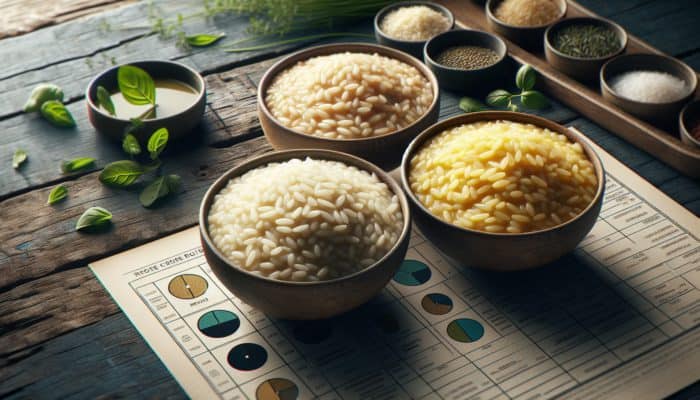
To make a truly exceptional creamy Risotto, it is vital to choose the right type of rice. Varieties like Arborio, Carnaroli, and Vialone Nano are highly regarded for their elevated starch content, which is crucial for achieving the rich, silky texture that characterizes a well-executed Risotto. Each rice type offers unique qualities that influence the dish’s creaminess and flavor, allowing you to tailor your Risotto to your personal preferences and the specific culinary experience you wish to create.
- Arborio: This popular variety features short, plump grains known for their excellent liquid absorption capabilities.
- Carnaroli: Often hailed as the “king” of Risotto rice, it boasts a higher starch content and a firmer texture, leading to exceptionally creamy results.
- Vialone Nano: Valued for its balance of creaminess and al dente bite, this rice is cherished in traditional Venetian recipes.
- Baldo: Comparable to Arborio in quality, it offers good starch properties but may be less commonly available.
- Roma: While not a traditional choice, it can produce decent results if managed properly during cooking.
The selection of rice can profoundly influence the final texture and flavor of your Risotto. For adventurous cooks, Carnaroli provides a more luxurious mouthfeel, while Vialone Nano introduces a regional touch worth exploring. Your choice of rice should reflect your desired texture and the culinary traditions you wish to honor, ultimately enriching your cooking journey.
What is the Impact of Broth on Risotto’s Creamy Texture?
The choice of broth in Risotto preparation is pivotal for enhancing both flavor and that signature creamy texture. A well-prepared broth acts as the backbone of the dish, infusing the rice with flavor while supplying the necessary moisture for ideal cooking. Homemade broth from chicken, beef, or a selection of vegetables is often preferred for optimal results, although high-quality store-bought alternatives can suffice when time is limited.
When selecting broth, chicken or vegetable options are commonly preferred, but seafood broth can add a delightful depth to a Seafood Risotto. The key is ensuring that the broth is well-seasoned, as this directly influences the overall flavor of your Risotto. It’s advisable to warm the broth before adding it to the rice to avoid sudden temperature drops that could disrupt the cooking process and affect texture.
Why is Fat Essential for Achieving Creamy Risotto?
Fats are indispensable in crafting a creamy Risotto, contributing richness and a satisfying mouthfeel. Both butter and olive oil not only initiate the sautéing of aromatics at the beginning but also impart a luxurious richness to the finished dish. Olive oil offers a fruity, nutty flavor profile, while butter creates a silky creaminess that envelops the rice grains, enhancing both taste and texture.
The inclusion of fats plays a crucial role in emulsifying the Risotto, helping to bind the starches released during cooking into a luscious sauce. As you stir the rice and gradually add broth, the fats coat the grains, elevating the overall mouthfeel significantly. This interplay between fat and starch transforms Risotto from mere cooked rice into a sumptuous culinary delight. Paying careful attention to the type and amount of fat is essential; inadequate fat can lead to a lackluster dish, while excessive amounts may overpower the delicate flavor balance.
Proven Methods for Perfecting Creamy Risotto

How to Perfect the Stirring Technique in Risotto Preparation?
Stirring is a critical technique in Risotto preparation that greatly affects the final texture. Continuous stirring encourages the release of starch from the rice grains, resulting in the creamy, luxurious sauce that defines a well-made Risotto. The aim is to achieve a harmonious balance where the rice absorbs the broth evenly while retaining a slight firmness typical of exemplary Risotto.
To master the stirring technique, begin by heating your pan and adding your chosen fats to sauté the aromatics. Once the rice is lightly toasted, pour in a ladleful of broth and start stirring. A wooden spoon is recommended, as it allows for better control and even heat distribution. Stir gently yet consistently, ensuring to scrape the bottom of the pan to prevent sticking or burning.
As the liquid is absorbed, gradually add more broth while continuing to stir. This process generally takes about 18-20 minutes. You’ll know it’s time to stop stirring when the Risotto reaches the ideal creamy consistency without becoming overly mushy. This technique not only enhances texture but also improves flavor, as the ingredients meld beautifully through your careful manipulation.
What is the Technique for Gradually Incorporating Broth in Risotto?
Gradually incorporating broth is vital for achieving creamy Risotto, ensuring a consistent texture and preventing overcooking of the rice. This method involves adding small amounts of broth at a time and allowing the rice to absorb each addition fully before introducing more. This approach maximizes starch release from the grains, leading to the coveted creaminess.
Start with a ladleful of broth, pouring it into the rice only after the previous addition is absorbed. Although this process may seem tedious, it is essential for achieving perfect Risotto. Notably, renowned chef Massimo Bottura champions this method, highlighting that slow cooking allows for full flavor development. Using high-quality broth also significantly enhances the dish’s flavor profile, so keep it warm on the stove for easy access.
Real-world examples, like preparing a Mushroom Risotto, underscore the importance of this gradual addition. As the mushrooms release their moisture, they enrich the dish with deep umami flavors. However, without the gradual incorporation of broth, the delicate balance could falter, resulting in a clumpy texture rather than the desired creaminess.
What Final Touches Can Enhance Creaminess in Risotto?
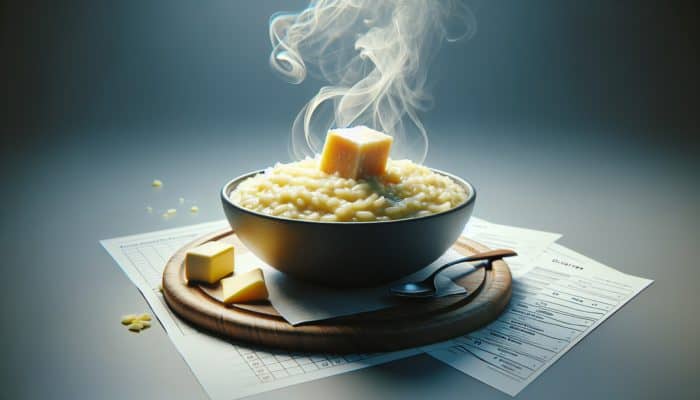
The finishing touches added to your Risotto are essential for enhancing both its creaminess and flavor. Incorporating ingredients like Parmigiano-Reggiano, cream, or extra butter just before serving can create layers of richness that elevate the entire dish. These final ingredients should be added right before plating to preserve their quality and effectiveness.
Parmigiano-Reggiano is a classic choice; when grated finely and stirred in until melted, it not only contributes to the creamy texture but also adds a nutty, savory depth that complements the underlying flavors beautifully. Alternatively, a splash of cream can bring an even richer mouthfeel. Some chefs prefer to finish their Risotto with a knob of butter, which adds glossiness and smoothness, enhancing the overall dish.
Experimenting with various combinations can yield exciting variations. For an indulgent finish, consider drizzling truffle oil, which can transform a simple Risotto into an extravagant dish. The essential key is to taste as you go, ensuring that the balance of flavors and textures is just right before serving to your guests.
How to Perfect the Texture in Your Risotto?
Understanding the Importance of Starch in Achieving Creamy Risotto
The starch content in Risotto rice is crucial for achieving that signature creamy texture that is highly sought after. As the rice cooks, it releases starch into the liquid, forming a natural sauce that binds the grains together. This process is vital for attaining the perfect balance between the rice’s firmness and the dish’s creaminess.
When rice grains are stirred continuously, they rub against each other, releasing more starch into the mixture. This is why Risotto requires constant stirring rather than being left unattended. The right amount of starch released will yield a creamy Risotto that maintains its structure. Understanding this balance is essential; too little starch can result in a dry dish, while excessive starch can lead to an undesirable gummy texture.
Different cooking techniques influence starch release as well. The initial toasting of the rice helps lock in moisture, preparing it for cooking. As you gradually add broth and stir, you will notice the texture transforming. The goal is to achieve a creamy consistency where each grain is perfectly coated, retaining its shape, and resulting in an exquisite dish.
What is the Optimal Cooking Time and Temperature for Risotto?
The correct cooking time and temperature for Risotto are fundamental for achieving the desired texture. Risotto should be cooked over medium heat, allowing for even absorption of the broth without the risk of burning or uneven cooking. Typically, this process takes about 18-20 minutes from the initial addition of broth to reach the signature creamy consistency.
Throughout the cooking process, closely monitor the temperature. High heat will cook the rice too quickly, leading to uneven texture and potentially burning the bottom. Conversely, if the heat is too low, the rice will absorb the broth too slowly, resulting in an overcooked, mushy texture. A constant simmer is vital, allowing the rice to absorb the liquid gradually while providing sufficient time for starch release.
As cooking progresses, continuously check the rice for doneness. It should be creamy with a slight bite to the grain, known as “al dente.” When you achieve this perfect balance, your Risotto is ready to be enhanced with finishing ingredients, ensuring that each bite is a delightful combination of creaminess and texture that will please your palate.
Why is it Important to Allow Risotto to Rest Before Serving?
Allowing your Risotto to rest before serving is an often-overlooked yet crucial step in achieving the perfect consistency. Resting allows the rice to absorb any remaining liquid, helping the dish reach an optimal texture. This brief period can transform a good Risotto into an exceptional one, allowing flavors to meld and the creaminess to settle.
The ideal resting time is generally around 2-3 minutes after cooking. During this phase, the starches continue to work, thickening the sauce while ensuring it remains creamy without becoming overly dense. Covering the pot with a lid during this time helps retain heat, allowing residual steam to further enhance the dish.
Resting is particularly important if you have added finishing ingredients like cheese or butter, as it allows them to fully incorporate into the Risotto. After resting, gently fluff the Risotto with a fork before serving, creating an airy texture that complements its creamy nature. This small yet essential step ensures that each portion remains cohesive and indulgently delicious, ready to impress your guests.
What Common Pitfalls Should You Avoid When Making Risotto?
How to Prevent Overcooking the Rice in Your Risotto?
One of the most frequent mistakes when preparing Risotto is overcooking the rice, leading to a mushy texture that lacks the desired creaminess. Overcooked rice can become unappetizing and lose its structure, resulting in a uniform, unappealing consistency that detracts from the dish’s overall appeal.
To avoid overcooking, it is essential to monitor the rice closely during the cooking process. The ideal texture should be creamy and al dente, with a slight firmness that allows the grains to hold their shape. Tasting periodically during the final cooking stages will provide valuable insights into the rice’s doneness. If you notice the rice becoming too soft, it is crucial to lower the heat and adjust the cooking time as needed.
Another helpful tip is to keep an eye on the amount of broth added. If too much liquid is introduced too quickly, it can lead to unintended softening of the rice. Gradually adding broth allows for better control over the cooking process. Maintaining the right heat level and stirring consistently will help ensure that the rice cooks evenly without becoming mushy, resulting in a delectably creamy Risotto.
Why Can the Wrong Type of Rice Ruin Your Risotto?
Selecting an unsuitable type of rice can significantly undermine the quality of your Risotto. Varieties like long-grain rice or basmati are inappropriate for Risotto because they lack the necessary starch content to achieve the desired creaminess. Using these rice types can result in a dish that is dry and devoid of the luscious texture typical of authentic Risotto.
The best choices for Risotto are short-grain varieties such as Arborio, Carnaroli, and Vialone Nano, each possessing a high starch content ideal for creamy dishes. The starches released during cooking create the signature silky sauce. If you inadvertently select a non-Risotto rice, you will likely end up with a watery dish, far from the intended creamy texture.
Paying close attention to the type of rice selected is foundational to the dish’s success. Investing time in understanding the characteristics of different rice varieties will enhance your Risotto-making skills and ensure delicious outcomes.
How to Avoid Rushing the Cooking Process in Risotto Preparation?
Rushing the cooking process is a common mistake that can yield disappointing results when making Risotto. This dish requires patience and attention, as it needs time to develop its flavors and achieve the perfect creamy consistency. Trying to speed up the process can lead to uneven cooking and a final product that lacks the desired texture.
Risotto demands a gradual approach, especially regarding broth addition and stirring. When broth is added too quickly, it can overwhelm the rice, causing uneven cooking and hindering proper starch release. Common signs of rushed Risotto include a soupy texture and undercooked rice, which can be quite unsatisfactory.
To avoid this, focus on maintaining a steady, manageable pace during cooking. Allow each broth addition to be completely absorbed before adding more, and stir consistently to promote even cooking. By respecting the time and effort involved in making Risotto, you will be rewarded with a dish that embodies the rich, creamy qualities that make it a beloved classic in Italian cuisine.
What Effective Strategies Can Help Perfect Your Creamy Risotto Techniques?
How to Toast Rice for Enhanced Flavor in Risotto?
Toasting the rice before adding liquid is an often-overlooked technique that significantly enhances both flavor and texture. This method involves heating the rice in the pan with a fat source, such as olive oil or butter, until the grains become slightly translucent and aromatic. This initial step is crucial for developing a deeper, more nuanced flavor profile in the final dish.
The advantages of toasting rice extend beyond flavor; it also creates a protective barrier for the grains during cooking. This ensures that when you add broth, the rice absorbs it evenly, preventing the grains from becoming overly mushy. The result is a Risotto with a pleasing bite enveloped in a creamy sauce that delights the palate.
Expert chefs recommend toasting for just a few minutes until the rice is coated and fragrant. This transformative step elevates your Risotto from a simple side dish to a culinary delight, showcasing a depth of flavor that excites the senses and enhances the overall dining experience.
How to Layer Flavors for Maximum Impact in Your Risotto?
Layering flavors in Risotto is an art that can significantly elevate the dish’s complexity and enjoyment. By incorporating ingredients at various stages during cooking, you can create a harmonious blend of flavors, ensuring that each component shines through while contributing to the overall experience.
Start by sautéing aromatics such as onions or shallots in your chosen fat to create the flavor base. Once softened, add the rice and toast it lightly, allowing it to absorb the flavors from the aromatics. As you gradually add broth, think about adding other ingredients like mushrooms, herbs, or vegetables at different intervals; for instance, introducing mushrooms early on allows them to impart their essence into the dish, while fresh herbs can be folded in at the end for a bright, vibrant finish.
Utilizing this layering technique can elevate your Risotto to new culinary heights. By creating depth through careful timing of ingredient additions, you’ll cultivate a dish that not only boasts a creamy texture but also presents a complex flavor profile that invites exploration with every delectable bite.
What Steps Should You Follow to Achieve the Right Consistency in Risotto?
Achieving the perfect Risotto consistency is a delicate balance between creaminess and texture. The ideal Risotto should be thick enough to hold its shape slightly when plated but still ooze a creamy, sauce-like quality. To reach this level of perfection, several specific steps must be followed meticulously.
- Start with the right rice: Opt for short-grain varieties known for their starch content, such as Arborio or Carnaroli.
- Toast the rice: Heat it in fat for a few minutes to develop flavor and create a moisture-retaining barrier.
- Add broth gradually: Incorporate warm broth ladle by ladle, allowing each addition to be completely absorbed before introducing more.
- Stir consistently: Keep stirring to release starch and promote a creamy texture.
- Test for doneness: Taste the rice frequently to ensure it reaches al dente, maintaining a slight bite.
- Finish with fats: Add butter and cheese at the end for an extra layer of creaminess.
- Rest before serving: Allow the Risotto to sit, covered, for a few minutes to further enhance its texture.
By diligently following these steps, you will create a Risotto that achieves the ideal balance of creaminess and texture, allowing each grain to shine within a rich, cohesive sauce that is sure to impress your guests.
How to Select the Best Rice Variety for Creamy Risotto?
Choosing the correct rice variety is fundamental to crafting a genuinely creamy Risotto. Not all rice is created equal; the right type can significantly influence the dish’s outcome. The most commonly used varieties include Arborio, Carnaroli, and Vialone Nano, each offering unique characteristics, recognizable texture, and flavor.
Arborio rice is the most recognized, known for its plump grains and ability to absorb liquid while retaining a slightly firm bite. Its high starch content makes it a staple for many Risottos. Carnaroli, often regarded as the superior choice, contains even more starch and remains firm during cooking, making it ideal for achieving a creamy texture. Lastly, Vialone Nano, with its shorter grains, is celebrated for its ability to absorb flavor while maintaining a tender texture, making it a favorite among chefs.
When choosing your rice, consider the dish you wish to create. For a luxurious seafood Risotto, Carnaroli is often preferred for its rich mouthfeel, while Arborio works well for traditional recipes. Understanding the differences among these rice types will empower you to make informed choices, ensuring your Risotto achieves the desired creaminess and flavor that will delight your diners.
What Exciting Variations of Creamy Risotto Can You Explore?
Indulge in the Classic Risotto Milanese
Risotto Milanese stands out as a variation that elevates traditional Risotto with the luxurious addition of saffron, imparting a distinctive golden hue and unique flavor profile. This classic dish hails from Milan and is often associated with celebrations and special occasions, showcasing the finesse of Italian culinary artistry.
What sets Risotto Milanese apart is not only its vibrant color but also its aromatic depth, achieved by steeping saffron threads in broth before adding them to the rice. The use of butter and Parmigiano-Reggiano further enriches the dish, resulting in a creamy, indulgent texture that beautifully complements the delicate saffron notes.
To prepare this Risotto, start by toasting the rice as usual, then gradually incorporate the saffron-infused broth while stirring continuously to achieve that signature creaminess. The saffron enhances the color and provides an earthy, floral aroma that distinguishes it from more standard Risottos. This variation is a testament to the beauty of Italian cuisine, demonstrating how simple ingredients can be combined to create an extraordinary dish that captivates the senses.
What Makes Seafood Risotto a Luxurious Choice?
Seafood Risotto represents a luxurious twist on the classic recipe, incorporating a variety of fresh seafood to create a rich and flavorful dish. This variation allows for creativity, as you can tailor the seafood components to reflect local offerings or personal preferences.
When preparing seafood Risotto, it is essential to select fresh ingredients like prawns, scallops, clams, or squid, as their flavors elevate the overall dish. The cooking technique remains consistent with traditional Risotto; however, timing is crucial. Introduce seafood toward the end of the cooking process to prevent overcooking, which can result in a rubbery texture that detracts from the dish’s appeal.
Consider using a seafood broth for added depth or even incorporating the shells of the seafood into your base broth for a richer flavor profile. This method can significantly enhance the umami notes in your Risotto, making each bite a delectable experience. The combination of creamy rice with tender seafood creates a dish that is both comforting and refined, perfect for special occasions or a sophisticated weeknight dinner that will impress your guests.
How to Create Flavorful Vegetarian Risotto Options?
Vegetarian Risottos offer a delightful alternative that showcases the versatility of this dish, allowing for an abundance of flavors and colors. By incorporating a variety of seasonal vegetables, you can create a vibrant and nutritious Risotto that appeals to both vegetarians and meat-eaters alike.
Popular vegetarian ingredients include:
- Asparagus
- Mushrooms
- Peas
- Spinach
- Butternut squash
- Tomatoes
- Artichokes
- Broccoli
Each of these ingredients brings its unique flavor and texture to the dish. For instance, adding asparagus and peas in the final stages of cooking offers a fresh, bright element, while mushrooms can be sautéed at the beginning to impart deep, earthy flavors. When incorporating vegetables, consider their cooking times to ensure they retain their integrity and complement the creamy texture of the Risotto.
A well-executed vegetarian Risotto can be just as indulgent as its meat-based counterparts, proving that this dish can cater to various dietary preferences while remaining thoroughly satisfying and delicious, making it a fantastic choice for any occasion.
What Makes Mushroom Risotto So Alluring?
Mushroom Risotto is a beloved variation that enhances the creamy base with the earthy richness of mushrooms. This dish showcases how different mushroom types can dramatically impact flavor and texture, making it a favorite among both mushroom lovers and Risotto enthusiasts.
When preparing mushroom Risotto, consider using a mix of mushrooms for complexity. Options like shiitake, cremini, and portobello provide a range of flavors from mild to robust. Begin by sautéing the mushrooms at the start of the cooking process to develop their flavor and allow them to release moisture, enriching the broth and enhancing the overall dish.
The technique remains consistent with traditional Risotto, involving the gradual addition of broth and continuous stirring to achieve that creamy texture. As the mushrooms meld with the rice, they contribute to the overall depth of umami, creating a rich and indulgent experience that is sure to satisfy. For an added touch, finish with a sprinkle of fresh herbs like thyme or parsley to brighten the dish and elevate the mushroom notes, resulting in a truly memorable meal.
How Can You Enhance Risotto with Additional Ingredients?
Incorporating Proteins into Your Risotto for Added Flavor
Integrating proteins into Risotto can add depth and substance, transforming a simple dish into a hearty meal. Various meats, such as chicken, pork, or even beef, can enhance the flavor and nutritional value of the dish, making it more satisfying.
For chicken Risotto, consider using diced chicken thighs for their succulent texture. Sauté the chicken first before adding the rice, allowing it to develop a nice sear that infuses the dish with rich flavors and enhances the overall experience. Pork can be introduced in the form of pancetta or chorizo, adding a salty, savory element that beautifully complements the creaminess of the Risotto.
For a seafood twist, incorporating shellfish like prawns or scallops can significantly elevate the dish. Their delicate flavors pair perfectly with the creamy rice, creating a luxurious dining experience that is both comforting and elegant. The key is to time the addition of proteins correctly, ensuring they are cooked to perfection without becoming tough or overdone, resulting in a delightful meal that showcases the versatility of Risotto.
How to Add Vegetables for Enhanced Nutrition and Flavor?
Vegetables play a crucial role in enhancing both the nutrition and visual appeal of Risotto. By introducing seasonal vegetables, you not only add color but also texture and flavor to the dish, creating a well-rounded meal that is both satisfying and delicious. Cooking vegetables alongside the rice can create a harmonious blend of tastes and help to brighten the overall profile.
Incorporating vegetables like peas or spinach towards the end of the cooking process allows them to retain their vibrant colors and fresh flavors, adding a lovely contrast to the creamy rice. For heartier vegetables, such as butternut squash or carrots, consider sautéing them to caramelize or soften them before adding the rice. This method allows their natural sugars to caramelize, enriching the Risotto with additional sweetness and depth of flavor.
Herbs like basil or parsley can also be added in the final stages to provide a fresh lift and aroma. The combination of creamy Risotto with a variety of vegetables not only enriches the dish nutritionally but also creates a visually stunning presentation that is sure to impress your guests and make every meal a delightful experience.
Utilizing Herbs and Spices to Elevate the Flavors of Risotto
Herbs and spices are powerful tools for enhancing the flavor profile of Risotto, allowing for a range of creative interpretations. Fresh herbs can brighten the dish, while spices can introduce warmth and depth that enrich the overall experience.
Classic herbs to consider include parsley, basil, and thyme, which can enhance the overall complexity of the dish. Adding chopped herbs just before serving helps maintain their vibrant colors and fresh flavors, providing a stunning contrast against the creamy backdrop of the Risotto, which will excite the palate.
Spices also play a transformative role; for instance, a dash of nutmeg can add warmth, while a sprinkle of smoked paprika can introduce a subtle smokiness that complements the dish beautifully. Experimenting with different flavor combinations invites you to explore exciting new iterations of Risotto, turning each preparation into a culinary adventure filled with delightful surprises.
Frequently Asked Questions About Risotto
What is the best rice for making Risotto?
The best rice for making Risotto includes short-grain varieties like Arborio, Carnaroli, and Vialone Nano, which possess a high starch content essential for achieving the desired creaminess.
Can I use broth from a carton for Risotto?
Yes, high-quality store-bought broth from a carton is suitable for Risotto, but homemade broth typically yields superior results in flavor and richness.
How long should I cook Risotto?
Risotto should generally be cooked for approximately 18-20 minutes, involving gradual broth additions and consistent stirring to reach the perfect texture.
What can I add to Risotto for extra creaminess?
For extra creaminess, consider incorporating finishing ingredients like butter, cream, or grated Parmigiano-Reggiano just before serving to enhance the dish’s luxurious texture.
Should I cover the Risotto while cooking?
It’s advisable to leave Risotto uncovered during cooking to allow moisture to evaporate and ensure even cooking, which results in ideal creamy consistency.
Can I make Risotto ahead of time?
While Risotto is best served fresh, it can be prepared ahead and reheated; however, it may require additional broth to regain its creamy consistency and prevent drying out.
What are some common mistakes when making Risotto?
Common mistakes include overcooking the rice, using the wrong type of rice, or rushing the cooking process, all of which can negatively affect the dish’s texture and flavor.
How do I know when Risotto is done?
Risotto is ready when it achieves a creamy consistency and the rice is al dente with a slight bite to the grain, enhancing the overall experience.
Can I freeze Risotto?
Yes, Risotto can be frozen, but it’s best to store it in individual portions and reheat gently with added broth to restore its creamy texture.
What vegetables work best in Risotto?
Vegetables such as peas, asparagus, mushrooms, and spinach are excellent choices for Risotto, adding flavor, nutrition, and vibrant color to the dish.
Stay updated with our latest posts on Facebook!
The post Techniques for Making Creamy Risotto: A Universal Guide appeared first on https://cookinggods.com
The Article Creamy Risotto Techniques: Your Ultimate Guide Was Found On https://limitsofstrategy.com