Deepen Your Understanding of Caloric Density for Healthier Eating Choices
What Is Caloric Density and Why Is It Important for Your Diet?
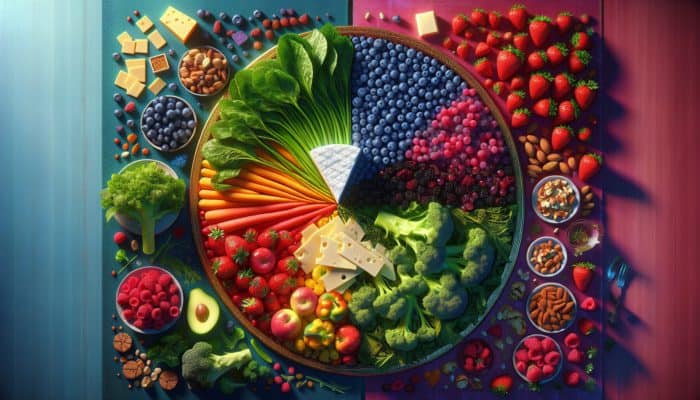
Gaining a comprehensive understanding of caloric density is crucial for crafting meals that are both satisfying and mindful of your caloric intake. Caloric density pertains to the quantity of calories contained within a specific volume of food. If your goal is to relish larger portions while adhering to daily caloric limits, it is essential to select foods with low caloric density. This strategy is particularly beneficial for those aiming to prepare filling meals with fewer than 500 calories. By prioritizing these low-calorie options, you can savor meals that foster a sense of fullness without contributing to weight gain, thereby making your nutritional journey both enjoyable and sustainable.
Foods that are low in caloric density generally have a high content of water and fiber. These attributes help to fill the stomach, enhancing feelings of fullness and leading to a reduction in overall caloric consumption. For example, fruits and vegetables not only supply essential nutrients but also aid in regulating appetite. By mastering the concept of caloric density, you empower yourself to make informed dietary choices, ensuring that you remain satisfied while consuming fewer calories overall—a key element in maintaining a balanced and healthy lifestyle.
- Leafy greens (e.g., spinach, kale)
- Broccoli and cauliflower
- Watermelon and strawberries
- Cucumbers and zucchini
- Carrots and bell peppers
- Tomatoes
- Shiitake and portobello mushrooms
- Broths and clear soups
How Can You Effectively Identify Foods with Low Caloric Density?
Effectively identifying low-calorie dense foods is essential for anyone wishing to manage weight while still feeling satisfied. Begin by focusing on foods that boast high water content, such as cucumbers, tomatoes, and leafy greens. These foods not only provide hydration but also deliver critical vitamins and minerals, making them perfect for meals that remain below 500 calories. Additionally, incorporating high-fiber foods like legumes, whole grains, and a variety of fruits plays a critical role in achieving a lower caloric density.
When you go grocery shopping, prioritize fresh items that are minimally processed. Fresh fruits, vegetables, and whole grains generally offer lower caloric density compared to their processed alternatives. By incorporating a diverse range of these nutritious foods into your meals, you can meet your dietary needs while increasing meal volume without significantly elevating your caloric intake. This effective strategy aligns seamlessly with the goal of creating filling meals under 500 calories, enhancing both health and satisfaction.
- Fresh fruits (e.g., apples, berries)
- Vegetables (e.g., broccoli, carrots)
- Legumes (e.g., lentils, chickpeas)
- Whole grains (e.g., quinoa, brown rice)
- Low-fat dairy (e.g., yogurt, cottage cheese)
- Fish (e.g., salmon, cod)
- Lean meats (e.g., chicken breast, turkey)
- Eggs (e.g., hard-boiled for salads)
What Practical Strategies Can You Use to Add Low-Caloric Dense Foods to Your Meals?
Integrating low-caloric dense foods into your meals is a straightforward and effective strategy to enhance meal satisfaction while keeping calorie counts low. Start by making these nutrient-rich foods the cornerstone of your dishes. For instance, boost salads with an abundance of leafy greens, cucumbers, and tomatoes, resulting in meals that are both filling and light on calories. Similarly, enhance soups with a diverse range of vegetables and broths, creating hearty meals that comfortably fit within the 500-calorie guideline.
Taking the time to experiment with different combinations of low-calorie dense foods can lead to exciting meal possibilities. Pairing high-fiber legumes with whole grains establishes a satisfying base, which you can top with grilled vegetables and a splash of lemon juice for a zesty finish. By thoughtfully incorporating these ingredients into your culinary creations, you not only maintain a balanced diet but also enjoy the cooking process. This method ensures your meals are both nutritious and delightful, perfectly aligning with your dietary aspirations.
Mastering Techniques for Crafting Satisfying Meals Under 500 Calories
What Are Tangible Examples of Filling Meals Under 500 Calories?
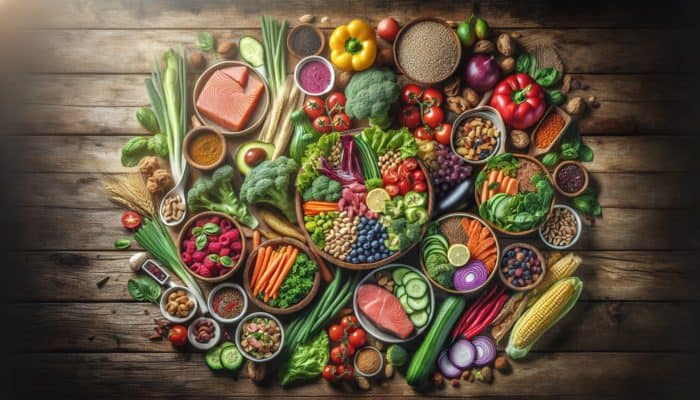
Real-world examples of filling meals that remain under 500 calories provide invaluable insights into achieving a harmonious balance of nutrition without exceeding caloric thresholds. For instance, consider a vibrant quinoa and black bean salad, enriched with diced bell peppers, creamy avocado, and a fresh squeeze of lime. This meal is not only brimming with protein and fiber but also guarantees a satisfying dining experience while keeping your calorie intake well within limits. Another fantastic example is a vegetable stir-fry featuring lean chicken breast, broccoli, and bell peppers, served with a modest side of brown rice, resulting in a nutrient-rich and fulfilling meal.
For breakfast options, a smoothie created with spinach, banana, and low-fat yogurt serves as a delectable choice that adheres to the 500-calorie guideline while delivering essential vitamins and minerals. For snacks, think about a delightful hummus plate paired with crunchy carrot and cucumber sticks, providing both texture and flavor. These examples illustrate how you can indulge in a variety of satisfying meals that align with your caloric goals while remaining exciting and flavorful.
- Quinoa and black bean salad with avocado
- Vegetable stir-fry with lean chicken
- Spinach and banana smoothie with low-fat yogurt
- Hummus with carrot and cucumber sticks
- Vegetable soup with whole-grain bread
- Oven-baked sweet potato fries with a side salad
- Whole-grain wrap filled with turkey, spinach, and tomato
- Chickpea salad with cherry tomatoes and feta cheese
What Are the Optimal Cooking Techniques for Preparing Low-Calorie Meals?
Choosing the appropriate cooking methods can have a significant impact on the caloric content of your meals while preserving their nutritional integrity. Steaming is an exceptional technique that retains nutrients and moisture in vegetables, making them more enjoyable and satisfying. This method is particularly effective for meals that showcase a variety of vegetables, enhancing their natural flavors without the need for added fats or oils.
Baking is another highly effective method that promotes even cooking while developing rich flavors in your dishes without the addition of excess calories. For example, baking fish with a drizzle of olive oil and a selection of herbs produces a flavorful, low-calorie meal. Grilling is also an excellent option for enhancing flavor without adding calories; the charring process imparts a unique smokiness to meats and vegetables while allowing excess fat to drip away.
These cooking techniques not only help maintain meals under 500 calories but also encourage the inclusion of nutrient-dense foods, ensuring your meals are both satisfying and healthy.
How Can You Effectively Plan Meals That Stay Under 500 Calories?
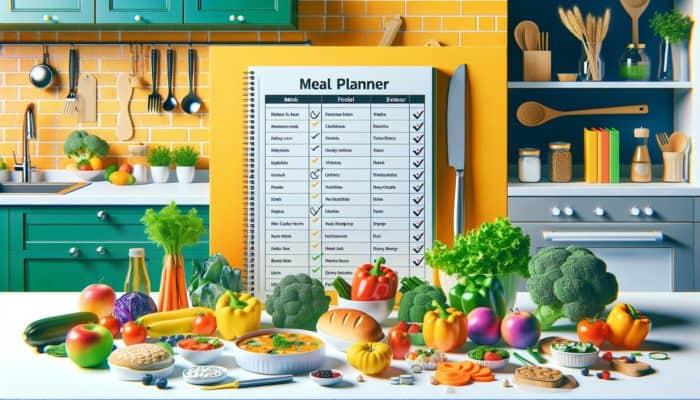
Effective meal planning is a critical strategy for achieving the objective of crafting filling meals while staying under 500 calories. By allocating time to plan your meals, you can ensure a balanced intake of nutrients while maintaining control over portion sizes. Start by organizing your week and focusing on incorporating a diverse array of low-calorie, dense foods. This approach enables you to create meals that not only satisfy hunger but also provide essential nutrients for optimal health.
Pay attention to portion sizes; measuring out servings can help you stay within your calorie targets. Furthermore, the timing of your meals can significantly impact satisfaction levels. Consuming smaller, balanced meals throughout the day helps sustain energy levels and prevents hunger pangs. Including a variety of foods across your meals also prevents dietary monotony and enhances your overall eating experience.
By implementing expert meal planning techniques, you can optimize your nutrition while maintaining a satisfying diet, all while keeping your calorie counts under control. This proactive approach fosters a sustainable method of healthy eating that aligns perfectly with your dietary aspirations.
How Can You Add High-Fiber Foods to Low-Calorie Meals?
Incorporating high-fiber foods into your meals is crucial for promoting feelings of satiety while keeping your calorie count low. Foods abundant in fiber, such as legumes, whole grains, and a plethora of vegetables, can significantly prolong feelings of fullness, making them invaluable components of meals that adhere to the 500-calorie limit. Start by adding legumes like lentils or chickpeas into salads or soups; these ingredients not only enhance flavor but also dramatically boost fiber content.
Whole grains, such as brown rice or quinoa, serve as excellent bases for meals, delivering both energy and fiber. Pair these grains with a variety of vegetables to create a well-rounded dish that satisfies without excessive calories. Additionally, think about incorporating high-fiber fruits like pears or apples into your snacks or desserts. These fruits can help quell sweet cravings while delivering essential nutrients and fiber.
By intentionally introducing high-fiber foods into your meals, you cultivate a balanced diet that promotes satiety and supports the goal of keeping meals under 500 calories. This strategy not only enhances the nutritional quality of your dishes but also bolsters overall health and effective weight management.
How Can You Use Spices and Herbs to Enhance Flavor Without Extra Calories?
Harnessing the power of spices and herbs is an exceptional method for enhancing the flavors of your meals without adding any additional calories. These ingredients can transform even the simplest dishes into culinary masterpieces, making it easier to adhere to a low-calorie diet. For instance, herbs such as basil, cilantro, and parsley can invigorate the flavors of salads and soups without any caloric cost. Moreover, spices like cumin, paprika, and turmeric can impart depth and complexity to your meals, ensuring each bite is an enjoyable experience.
Experimenting with various combinations of spices and herbs can lead to exciting flavor profiles in your dishes. Feel free to unleash your creativity; for example, use garlic and rosemary to elevate roasted vegetables or try a blend of cumin and coriander for a richly flavored legume stew. By enhancing flavors through these natural ingredients, you can make your meals more satisfying and delightful while maintaining calorie counts under 500.
Integrating spices and herbs into your cooking not only promotes flavor but also enhances overall health. Many herbs and spices are rich in antioxidants and possess anti-inflammatory properties, contributing to a balanced diet that prioritizes both taste and nutrition.
Achieving Balance Among Macronutrients for Optimal Meal Satisfaction
How Does Protein Contribute to Feelings of Fullness?
Protein is a crucial macronutrient that plays a significant role in promoting satiety. Including sufficient protein in your meals can enhance feelings of fullness and curb overeating, making it easier to stay on a low-calorie diet. Lean protein sources, such as chicken breast, turkey, fish, legumes, and tofu, are excellent choices for meals that remain under 500 calories. These foods not only support muscle repair and growth but also help stabilize blood sugar levels, reducing the likelihood of cravings throughout the day.
To create satisfying meals, aim to balance your plate with a portion of protein alongside low-calorie, dense foods like vegetables. For example, a grilled chicken salad overflowing with mixed greens, tomatoes, and cucumbers is not only visually appealing but also abundant in both protein and essential nutrients. Alternatively, a chickpea curry served with spinach provides a satisfying, protein-rich meal without exceeding calorie limits.
By prioritizing protein in your meals, you can enhance overall satisfaction and solidify your ability to adhere to your dietary goals while enjoying your food. This approach supports long-term health and effective weight management, ensuring you feel full and nourished throughout the day.
What Role Do Carbohydrates Play in Creating Filling Meals?
Carbohydrates are essential for providing energy and can contribute to feelings of fullness when selected wisely. By focusing on complex carbohydrates, such as whole grains, legumes, and starchy vegetables, you can create meals that are both satisfying and nutritious while remaining under 500 calories. These complex carbohydrates digest slowly, supplying a steady release of energy and helping to maintain stable blood sugar levels.
Incorporating whole grains like brown rice, quinoa, or whole-grain pasta into your meals can greatly enhance their nutritional value and filling potential. For instance, a quinoa salad mixed with black beans, corn, and diced peppers not only offers rich flavors but also a hearty serving of complex carbohydrates that keep you feeling full longer. Combining these foods with lean proteins and a variety of vegetables creates a well-rounded meal that doesn’t skimp on satisfaction.
Being mindful of your carbohydrate choices allows you to enjoy filling meals while effectively managing your calorie intake. This strategy enables you to savor your food while ensuring you stay aligned with your health goals.
Incorporating Healthy Fats for Greater Meal Satisfaction
Healthy fats are a vital part of a balanced diet and can significantly enhance the flavor of your meals. While it is crucial to use these fats judiciously to keep your meals under 500 calories, incorporating them wisely can elevate your dishes while providing nutritional benefits. Sources of healthy fats include avocados, nuts, seeds, and olive oil, all of which contribute to overall meal satisfaction and nutritional value.
For example, adding a small amount of avocado to a salad or sprinkling a few nuts atop a vegetable dish can introduce a creamy texture and delightful crunch. The key is to be mindful of portion sizes; for instance, a tablespoon of olive oil in salad dressing can enhance flavor without drastically increasing the calorie count.
Healthy fats are also essential for nutrient absorption, helping your body utilize fat-soluble vitamins effectively. By thoughtfully incorporating these fats into your meals, you can enjoy delicious dishes that remain low in calories while supporting your overall health and satisfaction.
Evidence-Based Strategies for Crafting Filling Meals Under 500 Calories
What Actionable Steps Can You Implement for Effective Weight Management?
Successfully managing weight can be a challenge; however, implementing actionable steps can simplify the process. One of the most effective strategies is meal planning, which involves preparing meals in advance to ensure you have satisfying options readily available. By planning your meals for the week, you can focus on incorporating nutrient-dense foods that help you stay within your calorie limits while providing ample satisfaction.
Another practical approach involves using smaller plates for portion control. This simple trick can visually trick your brain into perceiving that you’re consuming more, thus reducing the inclination to overeat. Additionally, tracking your food intake can provide valuable insights into your eating habits, enabling you to identify areas for improvement. Monitoring portion sizes and making necessary adjustments can significantly assist in keeping meals under 500 calories.
Prioritizing whole, minimally processed foods enhances the nutritional value of your meals and contributes to overall health. By concentrating on these actionable steps, you can establish a sustainable approach to weight management that promotes both satisfaction and well-being.
How Do Filling Meals Contribute to Overall Health?
Filling meals that remain under 500 calories can profoundly impact overall health. Adopting a balanced diet rich in nutrients and low in empty calories facilitates effective weight management while reducing the risk of chronic diseases, such as diabetes and heart disease. These meals emphasize whole foods, high fiber, lean proteins, and healthy fats, all of which support healthy bodily functions and energy levels.
Moreover, by prioritizing meals that are both filling and nutritious, individuals can enhance their energy levels and mood. Meals that adequately satisfy hunger and provide essential nutrients contribute to mental well-being by decreasing the likelihood of emotional eating and cravings. The psychological aspect of eating is crucial; when we feel satisfied with our meals, we are more inclined to adhere to healthy eating habits.
Incorporating filling meals into your daily routine can lead to long-term health benefits, simplifying the maintenance of a balanced diet while also enhancing the enjoyment of the eating experience.
What Psychological Benefits Arise from Consuming Satisfying Meals?
Consuming satisfying meals can significantly impact psychological well-being. Meals that are both fulfilling and nutritious can elevate mood and diminish cravings, facilitating the management of dietary objectives. When you eat meals that keep you feeling full, there’s reduced temptation to indulge in high-calorie, less nutritious options later on. This stability nurtures a healthy relationship with food, where enjoyment and nourishment coexist harmoniously.
Moreover, experiencing satisfaction after meals can foster a greater sense of control over dietary choices. When individuals feel that they can enjoy their meals without guilt, it reinforces positive eating behaviors. This aspect is particularly crucial in maintaining healthy eating habits and achieving weight management goals. By focusing on filling meals with 500 calories or fewer, you’re investing in your overall mental and physical health.
Crafting satisfying meals contributes to a holistic approach to health, where food is perceived not merely as fuel but as a source of pleasure and nourishment. This shift in perspective can lead to a more sustainable and enjoyable eating experience.
Practical Tips for Preparing Filling Meals
How Can You Meal Prep Effectively for the Week?
Meal prepping is a highly effective strategy for ensuring that you have filling meals readily available throughout the week. By dedicating time to plan, shop for ingredients, and prepare meals in advance, you streamline the cooking process while maintaining your meals under 500 calories. Start by selecting a variety of recipes that utilize low-calorie, dense foods and high-fiber ingredients to maximize nutritional benefits.
After organizing your meals, create a comprehensive shopping list to ensure you have all necessary ingredients on hand. Set aside a few hours on a designated day to cook and portion out your meals into containers. This approach not only saves time during busy weekdays but also aids in portion control. Having meals pre-prepared means you’re less likely to resort to unhealthy options when hunger strikes.
Meal prepping promotes a proactive approach to healthy eating and can significantly improve your ability to adhere to your dietary goals. By having nutritious, filling meals readily available, you empower yourself to make better choices, thereby supporting your overall health and well-being.
What Time-Saving Cooking Techniques Can You Use?
Time-saving cooking techniques are invaluable for anyone aiming to create filling meals under 500 calories efficiently. One effective method is batch cooking, where you prepare larger quantities of food at once, allowing you to reheat meals throughout the week. This technique works particularly well with soups, stews, and casseroles, which can be portioned and frozen for convenient future enjoyment.
Utilizing kitchen gadgets like slow cookers or pressure cookers can also save considerable time in the kitchen. These appliances enable hands-off cooking, allowing you to prepare meals with minimal supervision. One-pot meals can simplify the cooking process, reducing the number of dishes that require cleaning while still delivering hearty and satisfying meals.
Implementing these time-saving techniques can make the task of preparing filling meals under 500 calories much more manageable, allowing you to relish delicious, nutritious food without spending excessive time in the kitchen.
How Can You Use Leftovers Creatively for Low-Calorie Meals?
Utilizing leftovers creatively offers an excellent opportunity to craft new filling meals under 500 calories while minimizing food waste. Transforming yesterday’s dinner into a new dish not only conserves time but also adds variety to your meals. For instance, leftover roasted vegetables can be tossed into a salad or blended into a soup, thereby enhancing both flavor and nutritional value.
Additionally, think about repurposing leftover proteins, such as grilled chicken or baked fish, in wraps, salads, or stir-fries. This approach allows you to reinvigorate your meals, keeping them exciting and satisfying. Furthermore, combining smaller portions of leftovers from various meals can lead to innovative concoctions that surprise and delight your palate.
By embracing the practice of utilizing leftovers, you can ensure your meals remain diverse and enjoyable while maintaining your goal of keeping them under 500 calories. This strategy not only encourages culinary creativity but also contributes to a more sustainable way of living.
Enhancing Flavor Without Adding Calories
How Can You Amplify Meals Using Herbs and Spices?
Herbs and spices are invaluable resources for enhancing the flavors of your meals without introducing extra calories. These ingredients can transform simple dishes into culinary masterpieces, allowing you to enjoy satisfying meals while adhering to a low-calorie diet. Start by experimenting with fresh herbs, such as basil, cilantro, and dill, which can infuse freshness and depth into salads, dressings, and marinades.
Spices like cumin, paprika, and turmeric can introduce warmth and complexity to your dishes. For instance, a sprinkle of cumin enhances the earthy notes of lentil soups, while turmeric adds vibrant color and flavor to grain bowls. Mastering the balance of these flavors is essential; don’t hesitate to mix various herbs and spices to create unique flavor profiles that keep your meals interesting.
Incorporating herbs and spices into your cooking can elevate even the simplest meals, making it easier to adhere to your calorie goals while enjoying delicious, flavor-packed food.
What Advantages Do Vinegar and Citrus Offer in Cooking?
Vinegar and citrus serve as excellent additions to meals, introducing brightness and acidity without contributing extra calories. These ingredients can enhance the overall flavor profile of your dishes while also aiding digestion. For instance, a splash of balsamic vinegar can elevate a salad, whereas a squeeze of lemon juice can amplify the taste of grilled fish or vegetables.
Utilizing vinegar and citrus not only enhances flavors but also helps diminish the need for higher-calorie dressings and sauces. The acidic nature of these ingredients can cut through richness, resulting in lighter and more enjoyable meals. Consider incorporating various types of vinegar, such as apple cider or red wine vinegar, alongside different citrus fruits like lemons, limes, and oranges to diversify your meals.
By integrating vinegar and citrus into your cooking, you can create vibrant, flavor-rich meals that are low in calories, ultimately enhancing your culinary experience.
What Low-Calorie Condiments Can You Use for Extra Flavor?
Employing low-calorie condiments can dramatically enhance the flavor of your meals without adding excessive calories. Options like mustard, salsa, and hot sauce can add a kick to your dishes while helping you maintain low-calorie counts. For instance, a tablespoon of mustard can elevate a turkey wrap, while salsa serves as a zesty topping for grilled chicken or fish.
When selecting condiments, ensure you read labels to confirm they align with your dietary goals. Many brands now offer lighter versions of popular sauces that provide flavor without the additional calories. Additionally, consider crafting your own condiments, such as homemade salsa or yogurt-based dressings, allowing you to control the ingredients and keep calorie content in check.
Incorporating low-calorie condiments into your meals can enhance flavor and satisfaction, making it easier to enjoy filling meals while adhering to your calorie limits.
How Can You Use Broth and Stock for Enhanced Flavor?
Utilizing broth or stock can introduce depth and complexity to your dishes without increasing calorie content. Broths are perfect for soups, stews, and sauces, providing a flavorful base that enriches other ingredients. Opt for low-sodium options to ensure you’re not inadvertently raising your sodium intake while enjoying flavorful meals.
When preparing soups, begin with a hearty vegetable broth as your foundation. Add a variety of vegetables, legumes, and grains to create a nourishing meal that remains light and satisfying. For sauces, simmering your ingredients in broth can impart flavor while allowing for reduced oil and fat use, ensuring your dishes are both delicious and healthy.
By incorporating broth and stock into your cooking, you can craft satisfying meals under 500 calories that are rich in flavor and nutrition, guaranteeing an enjoyable dining experience.
How Can You Utilize Fresh Garlic and Ginger for Flavor Enhancement?
Fresh garlic and ginger are powerful flavor enhancers that can elevate your meals without adding calories. These ingredients not only provide robust flavors but also offer numerous health benefits, such as anti-inflammatory and antioxidant properties. Incorporating garlic into your cooking can significantly enhance the taste of vegetables, proteins, and grains, while ginger adds a warming spice that pairs beautifully with Asian-inspired dishes.
To maximize the flavors of garlic and ginger, consider sautéing them at the beginning of your cooking process. This technique releases their essential oils, infusing your dish with rich aromas and taste. When using ginger, you can either grate it fresh or slice it thinly, depending on your recipe requirements, ensuring you harness its full flavor and health benefits.
By incorporating fresh garlic and ginger into your meals, you enhance the overall culinary experience, making it easier to create filling, flavorful dishes that stay under 500 calories.
Frequently Asked Questions
What Are Low-Calorie Dense Foods?
Low-calorie dense foods refer to those that contain fewer calories per volume, such as fruits and vegetables. These foods help you feel full without consuming excessive calories, making them ideal for effective weight management.
How Can You Meal Prep for Filling Meals Under 500 Calories?
To effectively meal prep, plan your meals for the week, purchase ingredients, and cook in batches. Portion out your meals into containers for convenient access throughout the week, ensuring they remain under 500 calories.
What Are the Best Cooking Methods for Preparing Low-Calorie Meals?
Steaming, baking, and grilling are excellent methods for preparing low-calorie meals. These techniques preserve nutrients and enhance flavor without adding unnecessary calories, making them ideal for healthy cooking.
How Does Protein Impact Satiety in Meals?
Protein helps you feel full longer by promoting satiety. Including lean protein sources in your meals can enhance satisfaction and reduce cravings, supporting your weight management efforts.
Why Is Fiber Important in Low-Calorie Meals?
Fiber aids digestion and prolongs feelings of fullness. Incorporating high-fiber foods can make meals more satisfying while keeping calorie counts low, contributing to better overall health.
Can Herbs and Spices Really Enhance Flavor Without Calories?
Yes, herbs and spices add complexity and flavor to meals without additional calories. They can transform dishes, making them more enjoyable while helping you stay within calorie limits.
What Are Some Examples of Filling Meals Under 500 Calories?
Examples include a quinoa and black bean salad, a vegetable stir-fry with lean chicken, and smoothies made with spinach and banana. Each option is nutritious and satisfying while adhering to caloric goals.
How Can Vinegar and Citrus Benefit My Meals?
Vinegar and citrus add acidity and brightness without calories. They can enhance flavors and reduce the need for calorie-laden dressings, making meals lighter and more enjoyable.
What Are Low-Calorie Condiments You Can Use?
Low-calorie condiments include mustard, salsa, hot sauce, and light dressings. These options enhance flavor without adding significant calories, supporting your dietary goals.
How Can You Creatively Use Leftovers in Low-Calorie Meals?
Transform leftovers into new dishes by incorporating them into salads, soups, or wraps. This approach reduces waste and keeps meals exciting, ensuring you stay on track with your calorie goals.
Stay updated with our amazing content on Facebook!
The post How to Make Filling Meals Under 500 Calories: Nutritious and Satisfying appeared first on https://cookinggods.com
The Article Filling Meals Under 500 Calories: Nutritious and Delicious Was Found On https://limitsofstrategy.com