Comprehensive Guide to Cholesterol Blood Tests: Everything You Need to Know
What Is the Purpose of a Cholesterol Blood Test?
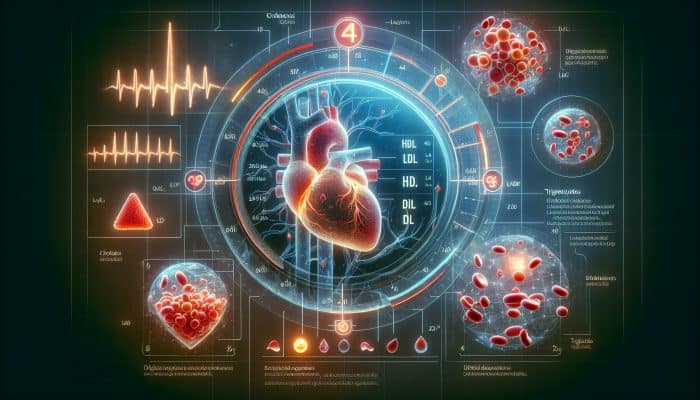
A cholesterol blood test, commonly known as a lipid panel, serves as a vital diagnostic instrument designed to evaluate the levels of cholesterol and triglycerides present in your bloodstream. This essential test plays a crucial role in assessing your risk of developing heart disease and various serious cardiovascular diseases. The results provide invaluable insights into your heart health, equipping you to make informed choices regarding your wellness journey. Typically, a cholesterol blood test measures several key components, including:
- Total cholesterol
- Low-density lipoprotein (LDL) cholesterol
- High-density lipoprotein (HDL) cholesterol
- Triglycerides
Understanding these different components is vital, as each affects your body uniquely and can indicate various health risks. For example, elevated levels of LDL cholesterol are often referred to as “bad” cholesterol due to their potential to promote plaque buildup in arteries. In contrast, HDL cholesterol is recognized as “good” cholesterol because it aids in the removal of excess cholesterol from the bloodstream, thus contributing positively to heart health.
Why Is Consistent Cholesterol Testing So Important?
Engaging in regular cholesterol testing is a cornerstone of effectively monitoring your heart health, particularly for adults aged 40 and older, or those with specific health issues such as diabetes or obesity. Early detection of elevated cholesterol levels can lead to timely interventions, significantly reducing the risk of heart disease. Below are the recommended testing frequencies tailored to various age groups and health profiles:
- Adults aged 20-39: Every 5 years if cholesterol levels are within the normal range
- Adults aged 40-75: Every 4-6 years
- Individuals with known risk factors: Annually or as directed by a healthcare professional
- People with a history of cardiovascular disease: More frequent testing as advised by a doctor
By adhering to these guidelines, individuals can stay informed about their cholesterol levels and implement necessary lifestyle changes to effectively safeguard their heart health.
What Steps Should You Take to Prepare for Your Cholesterol Blood Test?
Proper preparation for your cholesterol blood test is crucial to ensure that the results are both accurate and reliable. Generally, it is advisable to fast for 9-12 hours prior to the test, meaning abstaining from all food and beverages except for water during this timeframe. Your healthcare provider will supply you with specific instructions tailored to your individual circumstances. Here are some essential steps to consider while preparing for the test:
- Consult your doctor about any required fasting protocols
- Maintain good hydration by drinking ample water
- Avoid consuming alcohol for at least 24 hours before the test
- Inform your healthcare provider of any medications you are currently taking
By following these preparatory measures, you can ensure that your cholesterol levels are assessed accurately, resulting in a more effective evaluation of your heart health.
How Can You Interpret Your Cholesterol Test Results Effectively?

Understanding the implications of your cholesterol test results is essential for effectively managing your heart health. Although normal ranges can fluctuate, general guidelines indicate that total cholesterol should ideally be below 200 mg/dL, LDL cholesterol should be under 100 mg/dL, and HDL cholesterol should measure 60 mg/dL or higher. Triglycerides should ideally remain below 150 mg/dL. High levels of LDL or triglycerides may signify an increased risk of heart disease, while low levels of HDL can also present health hazards.
It is crucial to discuss your results with your healthcare provider for proper interpretation. They will take into account your overall health, lifestyle factors, and other risk elements when advising you on the next steps to take. Gaining a clear understanding of what your numbers signify can empower you to make informed decisions regarding lifestyle changes or treatments necessary to improve your heart health.
What Practical Lifestyle Changes Can Improve Your Cholesterol Levels?
Making informed lifestyle changes can have a significant positive effect on your cholesterol levels. Simple modifications in your diet and exercise regimen can lead to enhanced heart health. Here are some actionable tips for optimizing your cholesterol levels:
- Incorporate a diverse range of fruits and vegetables into your daily meals
- Choose whole grains over refined grains whenever possible
- Select lean protein sources, such as fish and poultry
- Limit your intake of saturated fats by reducing consumption of red meats and full-fat dairy products
- Increase your intake of omega-3 fatty acids found in fatty fish
- Engage in regular physical activity, aiming for a minimum of 150 minutes of moderate exercise each week
- Quit smoking and limit alcohol consumption
- Manage stress through relaxation techniques, including yoga or meditation
By adopting these practical strategies, individuals can effectively manage their cholesterol levels and promote better heart health in a sustainable manner.
Where Can You Get a Cholesterol Blood Test in Chichester?
How to Find Local GP Surgeries That Offer Cholesterol Testing

In Chichester, several GP surgeries provide cholesterol blood tests as an integral part of their healthcare services. This accessibility allows local residents to monitor their heart health without the need for extensive travel. Here are three reputable GP surgeries in Chichester where you can arrange a cholesterol blood test:
- Northgate Surgery
- Chichester Health Centre
- Eastgate Surgery
Contacting your local surgery to schedule an appointment is a straightforward process. The reception staff can provide guidance on necessary preparations and what to expect during your visit, ensuring a smooth experience.
What Private Clinics Are Available for Cholesterol Testing in Chichester?
For individuals seeking quicker and more flexible options, several private clinics in Chichester offer cholesterol testing services. These private facilities often feature shorter waiting times and may provide additional health screenings alongside cholesterol assessments. The benefits of choosing a private clinic for cholesterol testing include:
- Convenient appointment scheduling at your preferred time
- Immediate access to results, often available on the same day
- Comprehensive health evaluations that may include lifestyle consultations
- Enhanced privacy and personalized care from qualified healthcare professionals
These clinics can be an excellent choice if you desire a hassle-free experience devoid of the lengthy waiting times commonly associated with NHS services.
How to Access NHS Services for Cholesterol Testing
The NHS provides cholesterol testing as part of routine health assessments, particularly for individuals with recognized risk factors for heart disease. If you have underlying conditions such as diabetes, hypertension, or a family history of heart disease, your GP may refer you for a cholesterol test. Accessing NHS cholesterol testing services in Chichester typically involves:
- Consulting your GP to discuss any health concerns
- Receiving a referral for a cholesterol blood test during a health check
- Following up with your GP based on your test results
The NHS offers a structured approach to managing heart health, making it essential to stay current with your regular check-ups and assessments.
Which Pharmacies Offer Cholesterol Tests in Chichester?
Several pharmacies in Chichester have integrated cholesterol testing into their service offerings, providing residents with an additional option for monitoring their heart health. Some pharmacies may allow walk-in appointments, while others might require advance bookings. It is advisable to check with local pharmacies regarding their testing availability. Pharmacies that typically offer cholesterol tests include:
- Boots Pharmacy
- Superdrug Pharmacy
- Local independent pharmacies
These tests are often quick and yield immediate insights into your cholesterol levels, contributing effectively to your overall heart health monitoring.
What Do Experts Say About Cholesterol Blood Tests in Chichester?
What Recommendations Do Healthcare Experts Have for Cholesterol Testing?
Healthcare professionals consistently underscore the significance of regular cholesterol testing as a foundational aspect of heart health monitoring. They advocate for awareness and comprehension of one’s cholesterol levels, as this knowledge can lead to proactive health management strategies. Effectively interpreting cholesterol test results involves looking beyond mere numerical values.
Experts emphasize understanding the ratio of LDL to HDL cholesterol, as a higher ratio can indicate an escalated risk of cardiovascular problems. It is advisable to discuss any concerns or unexpected results with your healthcare provider, who can offer personalized guidance based on your unique health needs.
How Often Should You Schedule Cholesterol Testing?
The frequency of cholesterol testing can vary significantly depending on individual health circumstances. For most adults, general guidelines recommend testing every 4-6 years. However, specific populations may benefit from more frequent screenings. Experts suggest that individuals with the following profiles consider more regular testing:
- Those aged 40 and older
- Individuals with a family history of heart disease
- People with conditions such as diabetes or high blood pressure
- Those with lifestyle risk factors, such as obesity or smoking
Consulting your healthcare provider is essential to establish a suitable testing schedule tailored to your unique health profile and risk factors.
What Strategies Can You Use to Manage Elevated Cholesterol Levels?
If your cholesterol levels are found to be elevated, it is vital to take prompt action to manage them effectively. Physicians typically recommend a multifaceted approach that may encompass both lifestyle changes and medication. Real-world examples of managing high cholesterol demonstrate the effectiveness of diet and exercise in achieving better health outcomes.
For instance, individuals adopting a Mediterranean diet, rich in fruits, vegetables, whole grains, and healthy fats, often report significant reductions in their cholesterol levels. Regular physical activity, such as brisk walking or cycling, can further enhance these effects. Collaborative efforts between patients and healthcare providers to develop a personalized management plan are crucial for achieving lasting success in controlling cholesterol levels.
What Are the Key Benefits of a Cholesterol Blood Test?
How Does Early Detection of Heart Disease Risks Benefit You?
A cholesterol blood test serves as an invaluable tool for the early detection of potential heart disease. Elevated cholesterol levels can often be a silent condition, frequently presenting no symptoms until significant damage has occurred. Regular testing facilitates timely interventions, where lifestyle changes or medications can be employed to mitigate risks. Identifying high cholesterol levels early allows for a proactive approach to maintaining heart health.
For instance, individuals with elevated cholesterol may experience symptoms such as chest pain or shortness of breath during physical exertion. By identifying high cholesterol levels before these complications arise, one can undertake preventive measures to minimize health risks and enhance overall well-being.
How Can You Monitor Your Health Improvements Over Time?
One of the significant advantages of regular cholesterol testing is the ability to track the effectiveness of lifestyle changes or treatments over time. Individuals who adopt healthier eating habits and increase their physical activity often see improvements reflected in their cholesterol levels during follow-up tests. This ongoing evaluation can serve as a motivational tool, encouraging individuals to maintain healthier lifestyles and adherence to their health goals.
For example, a patient who successfully lowers their cholesterol through increased exercise and dietary modifications may monitor their progress and witness tangible results, fostering continued dedication to these healthy habits. Regular tests act as a feedback mechanism, helping individuals stay committed to their health aspirations.
How Do You Create Personalised Health Management Plans?
The results obtained from a cholesterol blood test can significantly shape the development of personalized health plans tailored to individual needs. Your healthcare provider will evaluate your cholesterol levels in the context of your overall health, family history, and lifestyle choices. A personalized health plan might include dietary recommendations, exercise regimens, and, if necessary, medication options tailored specifically for you.
For example, if you present with elevated LDL levels but low HDL levels, your healthcare provider may suggest specific changes such as increasing physical activity and incorporating foods rich in omega-3 fatty acids into your diet. A tailored approach ensures that your health management plan is not only effective but also sustainable over the long term, enhancing your overall health outcomes.
What Should You Expect During and After Your Cholesterol Test?
What Is the Cholesterol Testing Process Like?
During a cholesterol blood test, a healthcare professional will draw a small sample of your blood, typically from a vein in your arm. The procedure is relatively quick, taking only a few minutes. Here’s what you can expect during the testing process:
- You will be seated comfortably, and the healthcare provider will apply a band to your arm to enhance the visibility of the vein.
- The provider will cleanse the area with an antiseptic wipe to minimize the risk of infection.
- A needle will be inserted into the vein, and a small vial will collect the blood sample.
- Once a sufficient amount of blood has been drawn, the needle will be removed, and a cotton ball or bandage will be applied to the site.
Overall, the process is straightforward and involves minimal discomfort, making it accessible for individuals looking to monitor their heart health.
How Do You Receive Your Cholesterol Test Results?
Following your cholesterol test, results are generally available within a few days, although this timeframe can vary depending on the specific laboratory. Your healthcare provider will schedule a follow-up appointment to discuss the results. During this meeting, they will explain the significance of your numbers and how they relate to your overall health status.
It is essential to fully comprehend your results, as they may indicate the necessity for lifestyle changes or further testing. Engaging in this discussion empowers you to take charge of your health and make informed decisions regarding lifestyle modifications or treatment options.
Why Are Follow-Up Appointments Important?
After your cholesterol test, a follow-up appointment may be necessary to review your results and outline the appropriate next steps. Preparing for this appointment is crucial, as it allows you to actively participate in the development of your health management plan.
Consider bringing a list of questions or concerns you may have regarding your cholesterol levels or overall heart health. Additionally, make a note of any lifestyle changes you have implemented since your last visit, as this information can assist your healthcare provider in assessing your progress and making informed recommendations.
What Lifestyle Changes Can You Implement to Improve Cholesterol Levels?
How to Optimise Your Diet and Nutrition?
A heart-healthy diet plays a pivotal role in effectively managing cholesterol levels. Consuming a diverse array of fruits, vegetables, whole grains, and lean proteins can substantially lower your cholesterol and enhance your overall health. Here are some dietary guidelines to consider:
- Incorporate a wide variety of fruits and vegetables into your daily meals.
- Choose whole grains, such as brown rice and whole wheat bread, over refined grains.
- Limit saturated fats commonly found in red meat and full-fat dairy products.
- Boost your omega-3 fatty acid intake by consuming fatty fish like salmon or mackerel.
- Reduce the consumption of trans fats, often prevalent in processed foods.
- Opt for plant-based oils, such as olive or canola oil, instead of butter.
By adhering to these dietary principles, individuals can significantly influence their cholesterol levels and, ultimately, their heart health, leading to a healthier and more fulfilling life.
What Are the Benefits of Incorporating Exercise and Physical Activity?
Engaging in regular physical activity is essential for maintaining optimal cholesterol levels and promoting overall cardiovascular health. Participating in at least 150 minutes of moderate aerobic activity each week can help improve cholesterol profiles. Activities like brisk walking, cycling, or swimming are particularly effective for enhancing cardiovascular fitness and overall well-being.
Moreover, incorporating strength training exercises at least twice weekly can further benefit heart health by improving muscle mass and metabolic rate. Consistency is key; finding enjoyable activities can simplify the process of staying active. Over time, regular exercise not only aids in lowering LDL cholesterol but can also elevate HDL cholesterol, leading to a more favorable cholesterol balance.
How to Manage Stress and Ensure Quality Sleep?
Effectively managing stress and prioritizing quality sleep are critical components of heart health that can influence cholesterol levels. Chronic stress may lead to unhealthy eating habits and decreased physical activity, adversely affecting cholesterol levels. Techniques such as meditation, yoga, or deep-breathing exercises can be beneficial for alleviating stress and promoting relaxation.
Furthermore, prioritizing quality sleep is essential for overall health, including heart health. Aim for 7-9 hours of sleep each night. Establishing a calming bedtime routine and minimizing screen time before bed can enhance sleep quality, which in turn can assist in managing cholesterol levels and promoting overall well-being.
Common Questions About Cholesterol Testing Answered
What Measurements Are Included in a Cholesterol Blood Test?
A cholesterol blood test evaluates total cholesterol, LDL cholesterol, HDL cholesterol, and triglycerides to assess the risk of heart disease and inform health management strategies.
How Often Should I Schedule My Cholesterol Checks?
Generally, adults should undergo cholesterol testing every 4-6 years, but those with risk factors may need more frequent assessments to ensure optimal heart health.
Is Fasting Required Before a Cholesterol Test?
Many healthcare providers recommend fasting for 9-12 hours before a cholesterol test to achieve the most accurate results and ensure reliable data for assessment.
What Are Considered Normal Cholesterol Levels?
Normal ranges are typically under 200 mg/dL for total cholesterol, less than 100 mg/dL for LDL, and 60 mg/dL or higher for HDL, indicating a healthier lipid profile.
What Actions Can I Take to Lower My Cholesterol Levels?
Lowering cholesterol can be accomplished through a balanced diet, regular physical activity, and the avoidance of tobacco products, all of which contribute to better heart health and overall wellness.
What Lifestyle Changes Can Enhance Heart Health?
Improving heart health can be achieved by adopting a well-rounded diet, maintaining a healthy weight, engaging in regular exercise, and effectively managing stress, creating a holistic approach to well-being.
What Should I Do If My Cholesterol Levels Are Elevated?
If cholesterol levels are high, consult your healthcare provider for guidance on lifestyle changes or potential medication options necessary to mitigate risks associated with elevated cholesterol.
Are There Medications Available to Assist in Lowering Cholesterol?
Yes, several types of medications, including statins, are effective in helping to lower cholesterol levels and manage associated cardiovascular risks.
What Is the Typical Timeframe for Receiving Cholesterol Test Results?
Cholesterol test results are usually accessible within a few days, but this timeframe can vary depending on the testing facility and the specific procedures they follow.
Can Cholesterol Levels Fluctuate Rapidly?
Yes, cholesterol levels can change based on diet, weight, and lifestyle modifications, making regular testing essential for effective monitoring and timely interventions.
Connect with us on Facebook!
This Article Was First Found On https://bloodtest.co.uk
The Article Cholesterol Blood Test in Chichester: A Local Health Resource Was Found On https://limitsofstrategy.com